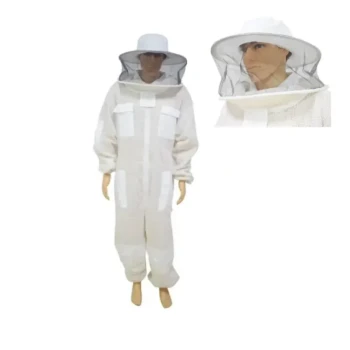
The primary reason beekeepers wear white is to neutralize the honey bee's natural defensive instincts. Bees are evolutionarily conditioned to perceive dark colors as threats, associating them with the fur of natural predators like bears and badgers. By wearing white or light-colored gear, you minimize visual contrast and avoid triggering the colony's "predator alert" response, making the bees less likely to target you.
The standard for white gear is not about aesthetics; it is a tactical choice based on bee biology. While the fabric protects you from the sting, the color protects you from being identified as a target in the first place.
The Biological Basis for White Gear
The Predator Instinct
Bees have evolved over millions of years to defend their hives against mammals. Dark colors are generally the first areas bees target when displaying defensive behavior because they resemble the dark fur of these intruders.
Visual Neutrality
When you enter an apiary wearing white, you do not present the visual signature of a predator. This allows you to perform hive management while minimizing the defensive response of the guard bees.
Beyond Color: Other Defensive Triggers
While color is the primary visual trigger, your gear must also account for the bees' chemical and behavioral sensors.
The Role of Carbon Dioxide
Bees possess CO2 receptors on their antennae, which allow them to detect the exhalations of mammals. This mechanism was developed to locate the sensitive nose and mouth areas of predators.
Why Veils are Critical
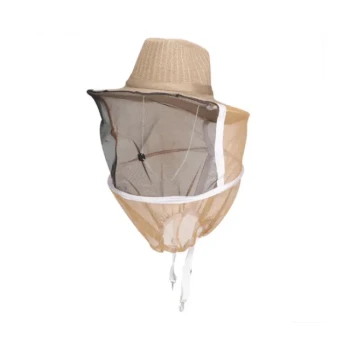
Because bees track CO2 emissions, they have a strong tendency to attack the face. A jacket with a veil is essential to create a barrier between the bees and your breath, preventing them from targeting your most vulnerable area.
The Myth of "Sensing Fear"
It is a common belief that bees can sense fear, but they are actually reacting to fear-related behavior. A nervous beekeeper often breathes heavily, releasing more CO2; this chemical spike is what attracts an aggressive response, not the emotion itself.
The Operational Role of Protective Gear
Reducing Beekeeper Anxiety
Protective clothing serves as the primary defense against stings, which significantly lowers anxiety. This is crucial for beginners, as a sense of security allows you to concentrate on hive maintenance rather than the fear of pain.
Maintaining Apiary Hygiene
White gear also serves a sanitary purpose. Clean protective clothing helps prevent the spread of dirt and contaminants between hives, maintaining a hygienic environment that safeguards honey quality.
Common Pitfalls to Avoid
Even with the correct color, improper gear usage can lead to safety lapses.
Neglecting the Extremities
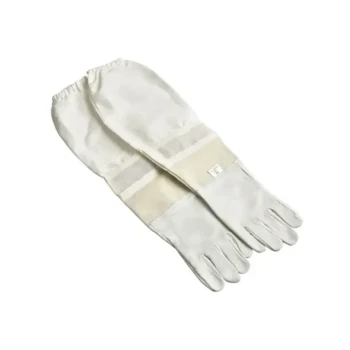
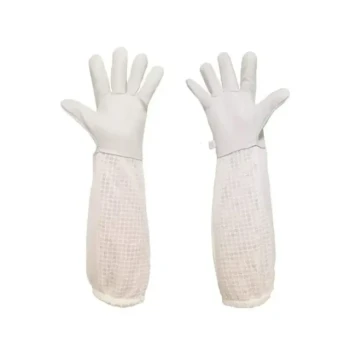
A white suit offers no protection if gaps exist. Boots are essential for protecting the ankles, which are a common target if pants are too short or loose. You must ensure no skin is exposed between the bottom of the bee suit and your footwear.
Over-Reliance on Color
Do not assume white gear makes you invisible. While it reduces aggression, sudden movements or high CO2 output can still override the benefits of light clothing and trigger a sting response.
Making the Right Choice for Your Goal
- If your primary focus is minimizing aggression: Prioritize white or very light pastel colors to avoid triggering the bees' evolutionary predator response.
- If your primary focus is personal safety: Ensure your gear includes a veil and high boots, sealing all gaps to protect against CO2-tracking behavior and ankle stings.
- If your primary focus is apiary hygiene: Choose gear that is easily washable to prevent the spread of contaminants that could compromise the hive.
The most effective protection combines the right visual camouflage with a physical barrier that accounts for how bees sense the world.
Summary Table:
| Feature | Purpose | Impact on Bee Behavior |
|---|---|---|
| White/Light Color | Neutralize predator instincts | Minimizes visual contrast; bees don't perceive a threat. |
| Veil & Mesh | CO2 & Face barrier | Prevents bees from targeting the face and breath sensors. |
| Full Coverage | Physical barrier | Blocks stingers and prevents gaps near ankles and wrists. |
| Washable Fabric | Apiary Hygiene | Prevents cross-contamination and the spread of pathogens. |
Elevate Your Apiary Safety with HONESTBEE
At HONESTBEE, we understand that professional beekeeping requires equipment that aligns with bee biology. Whether you are managing a commercial apiary or supplying the industry as a distributor, our high-quality, white protective gear and specialized machinery are designed for safety and efficiency.
Our value to you:
- Wholesale Excellence: Full spectrum of beekeeping tools, suits, and consumables at competitive prices.
- Industrial Solutions: From hive-making machines to honey-filling systems, we power your production.
- Global Distribution: Reliable supply chain for honey-themed merchandise and essential hardware.
Ready to upgrade your inventory or apiary operations? Contact us today to explore our comprehensive wholesale offerings!
Related Products
- White Cotton Beekeeping Jacket and Veil for Bee Keepers
- White PVC Beekeeping Shoes with Non-Slip Safety Sole
- Premium Cowboy Beekeeper Hat with Visibility Veil Outdoor Professional Beekeeping Protective Gear
- Beekeeper Cowboy Hat and Veil for Beekeeping
- Beekeeping Jacket with Hood and Veil for Beekeepers
People Also Ask
- What are the features of an economical beekeeping jacket? Essential Protection for Budget-Conscious Beekeepers
- What are the pros of using a beekeeping jacket? Unlock Superior Comfort and Mobility for Your Apiary
- What factors should a new beekeeper consider when choosing between a jacket and a full suit? Security vs. Comfort
- What are the advantages of a beekeeping jacket? Superior Mobility & Comfort for Routine Hive Inspections
- When is a beekeeping jacket considered a more suitable choice than a full suit? Optimize Your Apiary Mobility