Modern beekeeping technology acts as a critical leverage point for commercial apiaries facing labor market volatility. By integrating standardized beehive systems and efficient auxiliary tools, operations can significantly decouple their productivity from the availability and cost of manual workforce. This shift ensures production continuity and operational resilience, even during periods of acute labor shortages.
Core Takeaway Adopting advanced mechanization and standardized equipment transforms beekeeping from a labor-dependent craft into a scalable industrial process. This technological foundation provides the necessary risk resistance to maintain stability and profitability when external labor is high-cost or scarce.
The Mechanics of Labor Reduction
Standardization as a Force Multiplier
The primary driver for reducing labor dependency is the adoption of standardized beehive systems. Unlike traditional methods that require unique handling for different hives, standardized systems create a uniform spatial structure.
This uniformity allows for fine-tuned colony management and precise yield monitoring across thousands of units without proportional increases in staffing. It effectively transforms scattered gathering into a scalable, modern farming industry.
Automating the Harvest
Mechanized harvesting and processing technologies drastically lower the man-hours required to bring products to market. These tools replace manual extraction methods, significantly boosting production efficiency for honey and related bee products.
Beyond speed, this equipment ensures consistency in hygiene and physicochemical indicators. This allows apiaries to meet strict international compliance standards for exports without relying on the variable skill levels of a large workforce.
Streamlining Hive Inspections
Modern beehives feature controlled and movable nest structures that simplify the physical manipulation of the colony. When combined with professional auxiliary tools, these structures maximize collection efficiency and honey yield.
This equipment allows a smaller team to manage more hives by reducing the time and physical effort required for routine checks. It facilitates artificial swarming and breeding operations that would otherwise be prohibitively labor-intensive.
Operational Consistency and Risk Control
Minimizing Human Intervention Risks
Professional beekeeping equipment is designed to simulate and reinforce the natural hygiene defense mechanisms of the bee superorganism. Utilizing mechanized equipment for inspection and waste management reduces the frequency of direct human contact.
This reduction in manual interference significantly lowers the risk of cross-infection. It ensures the colony maintains biological integrity and immune homeostasis, reducing the labor burden associated with nursing sick colonies back to health.
Industrializing Infrastructure Maintenance
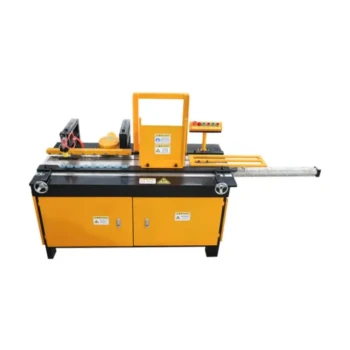
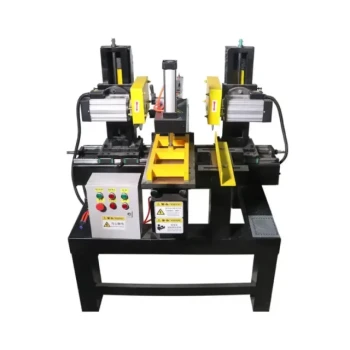
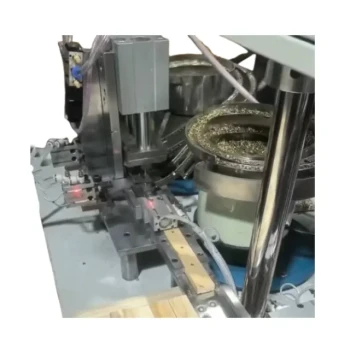
The use of industrial beehive manufacturing equipment reduces the labor required to build and maintain apiary infrastructure. High-precision woodworking ensures that hive components are consistent, airtight, and interchangeable.
This standardized hardware improves insulation and disease resistance, directly enhancing winter survival rates. Consequently, fewer labor hours are wasted on repairing poor-quality hives or replacing colonies lost to environmental stress.
Enhancing Safety and Efficiency
Modern tools, used in conjunction with professional protective clothing and smokers, streamline the workflow by reducing operational risks. When personnel feel safe and protected, they work faster and with greater precision.
This standardized production process allows operations to efficiently transform environmental resources into competitive commercial commodities. It ensures that output remains consistent regardless of individual worker fatigue or environmental conditions.
Understanding the Operational Trade-offs
The Necessity of Strict Conformity
To achieve labor savings, apiaries must commit to total standardization. You cannot mix traditional, ad-hoc equipment with modern systems; doing so breaks the efficiency chain and reintroduces labor complexity.
Reliance on Supply Chains
Modern systems often require standardized consumables, such as premium feed and health treatments, to maintain stability during climate fluctuations. While this reduces the labor of finding natural forage during dearths, it shifts dependency from local labor to the external supply chain for high-quality inputs.
Making the Right Choice for Your Goal
To effectively reduce labor dependency, align your technology choices with your specific operational targets:
- If your primary focus is Scalability: Prioritize standardized beehive systems to enable fine-tuned management of large colony numbers with a lean team.
- If your primary focus is Export Compliance: Invest in advanced harvesting and processing equipment to ensure hygiene consistency and meet physicochemical standards without manual oversight.
- If your primary focus is Colony Stability: Focus on industrial manufacturing and specialized rearing equipment to improve winter survival rates and maintain genetic vigor, reducing the labor cost of colony replacement.
True modernization in beekeeping is not just about buying tools; it is about building a system where machinery absorbs the risks and costs previously borne by human labor.
Summary Table:
| Modern Technology Type | Primary Labor-Saving Benefit | Impact on Scaling |
|---|---|---|
| Standardized Beehive Systems | Enables uniform management of thousands of units | High - Facilitates industrial-scale growth |
| Mechanized Harvest Equipment | Replaces manual extraction; ensures export compliance | High - Maximizes yield per man-hour |
| Movable Nest Structures | Simplifies hive inspections and physical colony manipulation | Medium - Increases daily inspection capacity |
| Hive Manufacturing Machinery | Reduces maintenance labor and improves insulation | Medium - Lowers colony replacement costs |
Revolutionize Your Beekeeping Operations with HONESTBEE
Are labor shortages and rising costs hindering your apiary's growth? HONESTBEE specializes in empowering commercial apiaries and distributors with the tools needed for the modern industrial age.
We provide a comprehensive wholesale range, from high-precision hive-making and honey-filling machines to specialized beekeeping hardware and essential consumables. Our solutions are designed to help you decouple productivity from manual labor, ensuring your business remains resilient and profitable.
Ready to scale your production and achieve superior efficiency?
Contact us today to explore our full spectrum of beekeeping machinery and equipment!
References
- Köksal Karadaş, Avni Birinci. Identification of risk factors affecting production of beekeeping farms and development of risk management strategies: A new approach. DOI: 10.1590/rbz4720170252
This article is also based on technical information from HonestBee Knowledge Base .
Related Products
- Automatic High-Speed Bee Hive Box Stapling Machine
- High-Efficiency Pneumatic Bee Hive Making Machine for Rapid Box Assembly
- Mini Desktop Bee Hive Frame Forming Making Machine
- Beehive Handle and Frame Rest Cutting Machine: Your Specialized Hive Machine
- Automatic Honey Filling and Filtering Machine for Beekeeping Bottle Filling
People Also Ask
- How is the Bee Box machine adjusted for different box sizes? Maximize Your Woodworking Versatility and Precision
- How is the Bee Box machine operated? Optimize Your Commercial Hive Production with Scalable Staffing Solutions
- How was the Bee Box machine designed? Industrial Engineering for High-Volume Beekeeping Production
- What is the production capacity of the Bee Box machine? Boost Output up to 1,000 Boxes Daily
- What are the power requirements and control system for the Bee Box machine? Optimize Your Apiary Equipment Production