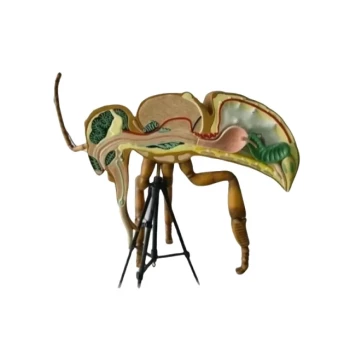
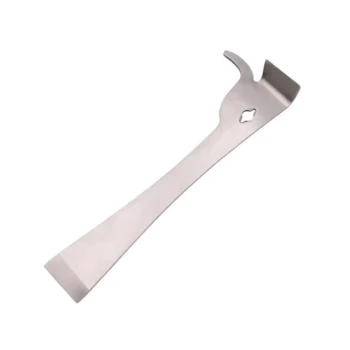
Professional field sampling and marking equipment is strictly necessary to ensure the collection of viable, intact specimens for tracheal mite analysis. By standardizing the capture process, this equipment allows surveyors to target bees showing specific distress symptoms while preserving their physical structure for transport to the laboratory.
The reliability of microscopic diagnostics depends entirely on the quality of the field sample; professional tools prevent specimen degradation and ensure symptomatic bees are correctly classified before they reach the lab.
The Critical Role of Specimen Integrity
Preventing Physical Damage
The primary function of professional sampling equipment is to maintain the physical integrity of the honey bee (Apis mellifera). Tracheal mite detection requires microscopic dissection, which is significantly hampered if the specimen is crushed or damaged during capture.
Standardized tools are designed to handle delicate specimens without compromising their structure. This ensures that the trachea remains intact for accurate examination.
Securing Samples for Transport
Once collected, specimens must be transported from the apiary to the laboratory without degrading. Professional equipment includes secure containment that protects the samples during transit.
This protection is vital because specimen quality directly correlates with the accuracy of diagnostic results. A sample that deteriorates during transport renders the survey data unreliable.
Targeting Symptomatic Bees
Recognizing Visual Indicators
Tracheal mite infestations manifest through specific physical and behavioral symptoms. Professional marking tools aid in the rapid classification of bees exhibiting hind wing dislocation ("K-wing"), abdominal swelling, or crawling behavior at hive entrances.
These tools allow the surveyor to isolate these specific bees from the general population immediately. This targeted approach increases the likelihood of detecting the parasite if it is present.
Speed and Standardization
Field surveys often require processing large numbers of colonies quickly. Professional equipment standardizes the workflow, allowing for rapid capture and classification.
Standardization reduces human error and variability between different sample batches. This consistency is essential for generating data that is statistically valid across different hive populations.
Common Pitfalls to Avoid
The Cost of Improper Tools
Attempting to conduct surveys without specialized equipment often leads to specimen contamination or destruction. If a bee is damaged during capture, the microscopic identification of mites becomes difficult or impossible.
Inconsistent Sampling Methods
Using ad-hoc tools can result in inconsistent sample sizes or selection criteria. If the collection method varies from hive to hive, the resulting data cannot be reliably compared.
Furthermore, failing to properly secure bees for transport can lead to sample loss or degradation, wasting the time and resources invested in the field survey.
Ensuring Survey Success
To maximize the value of your tracheal mite survey, align your equipment choice with your specific objectives:
- If your primary focus is Diagnostic Accuracy: Prioritize containment equipment that guarantees the physical preservation of the bee's thorax and abdomen during transport.
- If your primary focus is Survey Efficiency: Utilize rapid marking and capture tools that allow for the immediate isolation of bees showing "K-wing" or crawling symptoms.
Professional equipment is not merely a convenience; it is the baseline requirement for converting field observations into reliable laboratory data.
Summary Table:
| Feature | Importance in Tracheal Mite Surveys | Benefit to Researchers |
|---|---|---|
| Specimen Integrity | Prevents crushing or thorax damage during capture | Enables precise microscopic dissection and analysis |
| Secure Containment | Protects bees from degradation during transit | Ensures sample viability from the apiary to the lab |
| Marking Tools | Facilitates rapid isolation of symptomatic bees (e.g., K-wing) | Increases the probability of parasite detection |
| Standardization | Reduces human error and sampling variability | Produces statistically valid data across different colonies |
Maximize the Accuracy of Your Apiary Health Surveys with HONESTBEE
Precision in the field leads to certainty in the lab. At HONESTBEE, we understand that commercial apiaries and distributors require more than just basic supplies—you need professional-grade equipment that ensures data reliability.
We provide a comprehensive wholesale range of specialized beekeeping tools, hive-making machinery, and essential industry consumables designed to meet the rigorous demands of large-scale operations. Whether you are conducting parasite surveys or scaling up honey production, our portfolio offers the hardware and expertise to support your success.
Ready to elevate your beekeeping operations? Contact us today to discuss our wholesale offerings and discover how HONESTBEE can deliver the quality and reliability your business deserves.
References
- Amjad Ullah. Acarapis Woodi: A Novel Parasite of Honey Bee in Khyber Pakhtunkhwa Pakistan. DOI: 10.37962/ibras/2021/115-116
This article is also based on technical information from HonestBee Knowledge Base .
Related Products
- Modern Flat-Mount Hive Number Set for Beekeeping
- Professional Large-Format Hive Number Set for Beekeeping
- HONESTBEE Anatomy Bee Model Detailed Anatomical Display for Education and Study
- Durable Galvanized Steel Frame Grip
- Wooden Bee Brush with Triple Row Artificial Fiber for Beekeeping
People Also Ask
- What is the impact of regular technical extension contact on the management of modern beekeeping hives? Enhance Hive Efficiency
- What are the primary advantages of modern beekeeping hives? Scale Your Apiary with Industrial Efficiency
- What are the structural and management advantages of modern beekeeping hives? Scale Your Honey Yields Today
- Why should the promotion of modern beekeeping hives be integrated with professional beekeeping tool kits and technical support?
- Why do forest beekeepers consider transitioning from traditional bark hives? Modernizing for Sustainable Yields