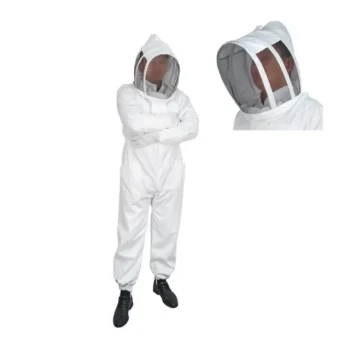
Professional protective equipment is the primary defense against severe health risks when performing intensive disinfection in beekeeping. While standard gear protects against stings, specialized hardware like respirators and goggles is mandatory to shield the operator from the toxic gases and corrosive burns associated with high-level chemical disinfectants.
Handling potent disinfection agents introduces hazards that standard beekeeping suits cannot mitigate. Professional chemical-grade PPE isolates the operator from respiratory and cutaneous damage, ensuring compliance with safety standards and enabling the precise application of necessary treatments.
Understanding the Chemical Hazard
Toxicity of Disinfection Consumables
Intensive disinfection often requires the use of potent chemical agents to effectively neutralize pathogens. Commonly used substances include formaldehyde, strong acids, and alkalis. These chemicals are inherently corrosive; direct contact can cause immediate and severe tissue damage.
The Risk of Inhalation
Many effective disinfectants release harmful vapors or volatile gases during application. Without a respirator, the operator is exposed to the risk of inhaling these toxic fumes. This can result in acute respiratory distress or long-term damage to the lungs and mucous membranes.
Ocular Vulnerability
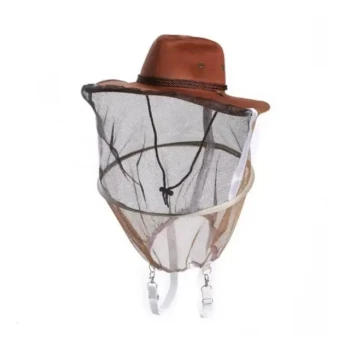
The eyes are particularly susceptible to chemical splashes and volatile fumes. Standard mesh veils used for sting protection offer zero protection against liquid splashes or gases. Goggles provide the necessary seal to prevent irreversible eye injuries and chemical burns.
The Function of Specialized Hardware
Complete Operator Isolation
The core function of this equipment is to create a barrier between the human body and the hazardous environment. Respirators filter contaminated air, while goggles and protective clothing shield the skin and eyes. This isolation is critical for meeting occupational health and safety standards.
Enabling Precision
When an operator is confident in their safety, they can focus on the task at hand. Proper equipment removes the fear of injury, allowing for the precise application of disinfectants. This ensures the chemicals are applied effectively without rushing, which is vital for thorough colony sanitation.
Common Pitfalls to Avoid
Confusing Biological vs. Chemical PPE
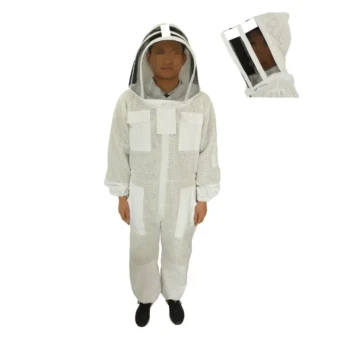
A critical error is assuming that a standard bee suit offers protection against chemicals. Bee suits are designed to stop stings, not liquid chemicals or gases. Fabric suits may actually absorb corrosive liquids, holding them against the skin and worsening the injury.
Overlooking the "Invisible" Threat
Operators often prioritize protection against visible threats (bees) while neglecting invisible ones (fumes). Wearing a veil without a respirator during chemical treatments leaves the respiratory system completely exposed. True safety requires adapting the equipment to the specific hazard: physical gear for bees, chemical gear for disinfectants.
Making the Right Choice for Your Goal
Selecting the correct protective equipment depends entirely on the specific task you are performing within the apiary.
- If your primary focus is routine colony inspections: Prioritize high-quality bee suits, veils, and gloves to prevent stings and reduce the fear of handling bees.
- If your primary focus is intensive hive disinfection: Prioritize industrial respirators, chemical-splash goggles, and acid-resistant clothing to prevent burns and inhalation of toxic agents.
Using the correct protective hardware for the specific task is the only way to ensure sustainable, injury-free apiary management.
Summary Table:
| Hazard Category | Potential Threat | Recommended Professional Equipment |
|---|---|---|
| Respiratory | Inhalation of toxic fumes (Formaldehyde, acids) | Industrial-grade Respirator with chemical filters |
| Ocular | Chemical splashes and volatile gases | Chemical-splash Goggles (Sealed) |
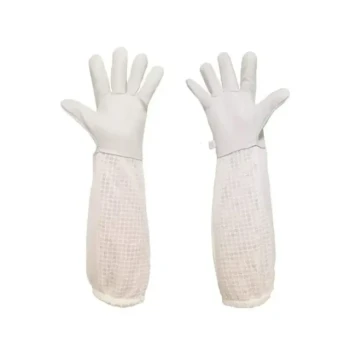
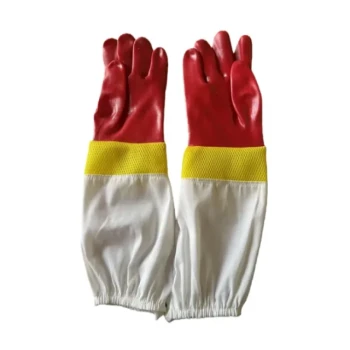
| Cutaneous | Corrosive burns on skin and tissue damage | Acid-resistant clothing & chemical-grade gloves |
| Biological | Bee stings and physical contact | Standard Beekeeping Suit & Mesh Veil |
Secure Your Apiary Safety with HONESTBEE
At HONESTBEE, we understand that intensive disinfection is critical for colony health, but it shouldn't compromise your safety. As a leading partner for commercial apiaries and distributors, we provide more than just beekeeping tools; we offer a comprehensive wholesale range of specialized hardware and essential industry consumables.
From advanced hive-making machinery to the high-grade protective equipment needed for chemical treatments, our portfolio is designed to enhance your operational efficiency and safety. Whether you are scaling your honey production or stocking a distribution network, our team is ready to provide the professional-grade solutions you need.
Ready to upgrade your apiary’s safety and equipment standards?
Contact Us Today to Request a Quote
References
- Mirjana Bojanić Rašović. THE MOST IMPORTANT METHODS OF DISINFECTION IN BEEKEEPING. DOI: 10.17707/agricultforest.67.3.14
This article is also based on technical information from HonestBee Knowledge Base .
Related Products
- Premium Ventilated Goatskin Beekeeping Gloves with Full 3-Layer Mesh Sleeve
- Beekeeping Gloves Goatskin Leather with Long Cotton Sleeve for Beekeepers
- Heavy Duty Red Rubber Beekeeping Gloves with Vented Mesh Cotton Sleeves
- Beekeeper Cowboy Hat and Veil for Beekeeping
- High-Definition Beekeeper Hat with Round Veil Mesh for Beekeeping
People Also Ask
- What are the differences between cow leather and goat leather for beekeeping gloves? Protection vs. Dexterity
- Which type of gloves provide the most sting resistance? The Definitive Guide to Beekeeping Hand Protection
- What are beekeeping gloves? Essential Protection for Safer Hive Management
- When might a beekeeper decide to work without gloves? Master Hive Finesse and Dexterity
- Why is cleaning beekeeping gloves necessary? Vital Steps for Apiary Biosecurity and Hive Management