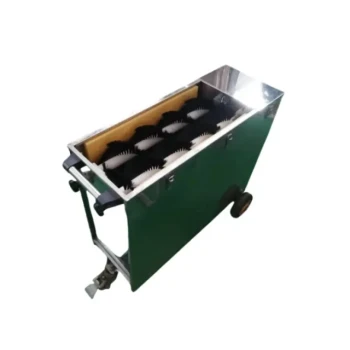
Specialized drying equipment is strictly necessary to solve the conflict between preservation and potency. Fresh bee pollen contains high moisture levels and rich nutrients, making it an ideal breeding ground for mold and bacteria immediately after harvest. Specialized machines reduce this moisture at strictly controlled temperatures, ensuring the product is stabilized against spoilage without destroying the heat-sensitive enzymes and vitamins that give pollen its nutritional value.
Core Insight: Fresh bee pollen is biologically unstable; without immediate intervention, it will degrade into a toxic or nutritionally void substance. Specialized equipment provides the critical mechanical control needed to lower water activity enough to stop microbial growth while remaining cool enough to preserve bioactive integrity.
The Biological Urgency of Drying
Fresh bee pollen is not a shelf-stable commodity; it is a raw biological material. Understanding why it spoils helps clarify why standard drying methods often fail.
High Moisture and Nutrient Density
Freshly collected pollen is wet and packed with proteins and sugars. This combination makes it highly susceptible to biodegradation.
Without immediate processing, the moisture acts as a catalyst for decay. This turns a health product into waste within days or even hours depending on ambient humidity.
The Risk of Mycotoxins
Preservation is not just about keeping the pollen looking fresh; it is a safety issue. Bee pollen is a substrate for fungi, including Aspergillus.
If drying is slow or incomplete, these fungi can produce Ochratoxin A, a dangerous mycotoxin. Specialized equipment rapidly creates an environment where these pathogens cannot survive.
Water Activity Reduction
The goal of industrial drying is to lower water activity (a measure of available moisture) from approximately 0.7 to 0.3.
At this level, microbial stability is secured. This prevents yeasts and molds from proliferating during long-term storage.
Preserving Bioactive Integrity
The difficulty in drying pollen lies in removing water without cooking the product. This is where specialized equipment distinguishes itself from simple heaters or sun drying.
Controlled Thermal Treatment
Bioactive components, such as enzymes, vitamins, and amino acids, are heat-sensitive. Excessive heat denatures proteins and destroys nutritional value.
Specialized drying boxes maintain precise temperature thresholds. They ensure the heat is sufficient to evaporate water but low enough to maintain the chemical composition of the pollen.
Protection from Ultraviolet Radiation
Traditional methods, like sun drying, introduce uncontrolled variables. Natural sunlight contains ultraviolet (UV) radiation.
UV rays can destroy bioactive substances within the pollen. Specialized machines achieve dehydration in a dark, controlled environment, preserving biological properties that sunlight would degrade.
Uniform Dehydration
Uneven drying is a silent killer of quality. If the outside dries but the core remains damp, internal rot will occur.
Industrial equipment utilizes regulated airflow control. This ensures every granule is dehydrated uniformly, guaranteeing the physical integrity of the entire batch.
Common Pitfalls to Avoid
Using the wrong equipment involves significant trade-offs that compromise the final product.
The "Sun-Drying" Trap
While low-cost, open-air drying is unreliable. Beyond UV damage, it exposes the product to airborne contaminants and pests.
The Heat-Speed Trade-off
It is tempting to increase heat to shorten drying time. However, rapid high-heat drying creates a "case-hardening" effect or simply burns the nutrients.
True quality requires a longer cycle at lower temperatures. Specialized equipment is designed to sustain this specific balance efficiently.
Making the Right Choice for Your Goal
Selecting the right processing method depends on your end-use requirements for the pollen.
- If your primary focus is Commercial Retail: Prioritize industrial dehydrators with precise temperature controls to ensure the stability of Vitamin B complexes and enzymes, which are key selling points.
- If your primary focus is Safety and Long-Term Storage: Focus on equipment capable of rapidly reducing water activity to 0.3 to guarantee the inhibition of Aspergillus and prevent mycotoxin contamination.
- If your primary focus is Deep Processing (Ingredients): Ensure your equipment includes screening and air-selection features to remove foreign materials like beeswax before the drying process begins.
Ultimately, specialized drying is not a luxury but a fundamental safety requirement to transform raw, perishable pollen into a safe, bioactive food source.
Summary Table:
| Feature | Specialized Drying Equipment | Traditional Sun Drying | Standard Heaters |
|---|---|---|---|
| Temperature Control | Precise & Constant (Low Heat) | Unpredictable / High Fluctuations | Often Too High |
| UV Protection | Full Protection (Dark Environment) | None (UV Degradation) | Moderate |
| Moisture Uniformity | High (Regulated Airflow) | Low (Uneven / Core Dampness) | Moderate |
| Safety (Mycotoxins) | Inhibits Fungal Growth Rapidly | High Risk of Contamination | Variable Risk |
| Nutrient Retention | Maximum (Preserves Enzymes) | Low (Heat/UV Damage) | Low (Denatures Proteins) |
Elevate Your Pollen Quality with HONESTBEE
At HONESTBEE, we understand that for commercial apiaries and distributors, the difference between premium pollen and waste lies in the processing. We provide the industry's most reliable specialized beekeeping machinery and drying equipment designed to safeguard bioactive integrity and meet strict safety standards.
Whether you are looking for advanced hive-making machines, honey-filling solutions, or professional-grade dehydrators, our comprehensive wholesale offering is tailored to help your business scale efficiently. Don't compromise on your harvest's potency—contact our experts today to find the perfect equipment solution for your facility!
References
- Raivo Kalle, Renata Söukand. Beekeepers as guardians of apitherapeutic knowledge in Estonia, SW Ukraine, and NE Italy. DOI: 10.1186/s13002-025-00764-6
This article is also based on technical information from HonestBee Knowledge Base .
Related Products
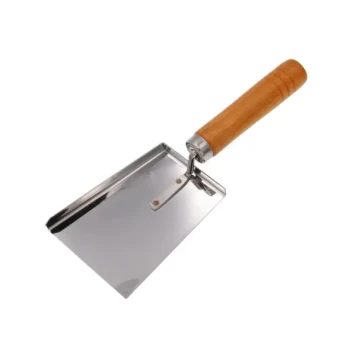
- Stainless Steel Pollen Shovel with Wooden Handle
- Heavy-Duty Ergonomic Grip Galvanized Pollen Shovel
- Heavy-Duty Ergonomic Stainless Steel Pollen Shovel
- Plastic Bee Pollen Trap Strips Comb Catcher Collector
- Removable Plastic Pollen Trap With Ventilated Tray for Bees Pollen Collector
People Also Ask
- How do bee pollen collection tools affect the quality of bee pollen used in functional dairy ice cream production?
- Why should commercial apiaries focus on the collection of diversified bee products? Maximize Your Hive’s Profit Potential
- How does a specialized pollen collector facilitate the harvesting of diverse bee products? Automate High-Value Yields
- What is the impact of pollen collectors and associated equipment on the cost structure of pollen production? Maximize ROI
- What is the technical significance of using specialized cutting tools for propolis? Master Precision Pollen Harvesting