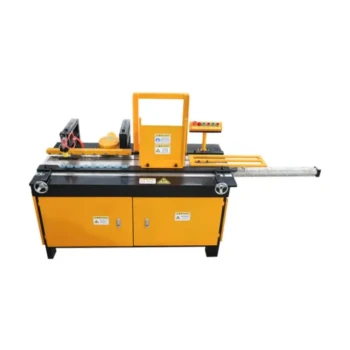
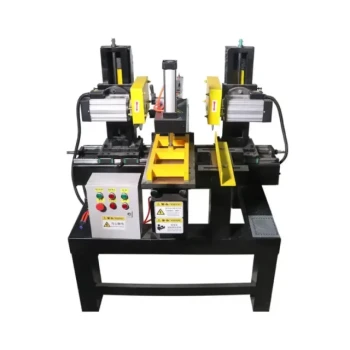
Specialized hive-making equipment is the prerequisite for scaling beekeeping from a hobbyist craft to a viable commercial industry. This machinery is necessary because it enables the rapid production of hive components that meet strict uniform specifications while possessing the high durability required to survive in complex outdoor environments.
The Core Insight Success in large-scale apiaries relies less on individual hive crafting and more on logistical efficiency. Specialized equipment transforms hive production into a standardized industrial process, ensuring that infrastructure is interchangeable, weather-resistant, and capable of supporting millions of colonies without operational bottlenecks.
The Necessity of Standardization
For commercial operations, the physical hive is not just a box; it is a standardized unit of production. Specialized machinery ensures this standardization is precise and repeatable.
Enabling Component Interchangeability
Industrial-grade machines produce modern frame hives with perfectly uniform internal dimensions. This precision allows frames to be moved seamlessly between different hives. In a large-scale operation, the ability to interchange parts is critical for efficient management.
Simplifying Complex Management Tasks
When equipment is standardized, technician labor becomes significantly more efficient. Tasks such as splitting colonies, merging hives, and performing pest inspections are streamlined because every component fits every hive. This removes friction from daily operations, increasing the overall management capacity of the enterprise.
Foundation for Automation
Standardized hives serve as the physical foundation for advanced automation. Uniform structures allow for the implementation of automated honey harvesting and maintenance systems, which are impossible to implement with irregular, hand-built equipment.
Durability and Environmental Protection
Commercial apiaries often span vast agricultural landscapes, exposing equipment to the elements. Specialized machinery is essential for creating infrastructure that lasts.
Withstanding Weather Conditions
Hive structures produced by specialized equipment are robust and designed to withstand complex outdoor weather patterns. This durability extends the service life of the apiary's infrastructure, reducing the frequency and cost of replacement.
Enhancing Colony Health
Precision manufacturing creates tighter seals and better insulation than manual methods. This improves overwintering conditions and enhances the disease resistance of bee colonies. A standardized, hygienic environment supports better health outcomes compared to traditional collection methods.
Economic Efficiency and Scalability
To meet market demand, operations must be able to expand quickly without compromising quality.
Eliminating Growth Bottlenecks
Manual construction cannot keep pace with commercial growth. Automated equipment utilizes high-efficiency cutting technologies to reduce the manufacturing cycle. This alleviates shortages of hive hardware, allowing operations to expand rapidly in response to market demands.
Achieving Self-Sufficiency
Automatic machines are vital for producing nucleus (small-scale) hives. This hardware supports the large-scale cultivation of new bee colonies during peak seasons. It allows beekeepers to replace spring losses internally rather than purchasing external stock, creating a sustainable, closed-loop cycle of expansion.
Understanding the Trade-offs
While specialized equipment is essential for growth, it imposes specific operational constraints that must be understood.
The Rigidity of Standardization
The primary benefit of this equipment—high-level standardization—is also its main constraint. Once you commit to a specific machine configuration, you are locked into those dimensions. This reduces flexibility for customization or experimental hive designs, forcing the operation to conform strictly to the machine's output standards.
Infrastructure vs. Biology
Investing in industrial machinery shifts capital allocation. It requires a significant upfront investment in "dead" hardware (machines and wood) to support the "living" assets (bees). If the machinery is not utilized at full capacity to reduce labor costs per unit, the return on investment diminishes compared to purchasing pre-made equipment.
Making the Right Choice for Your Goals
The decision to integrate specialized hive-making equipment depends on your specific operational targets.
- If your primary focus is rapid market expansion: Prioritize equipment with high-speed cutting technologies to eliminate hardware shortages and respond instantly to demand surges.
- If your primary focus is colony health and sustainability: Focus on machines that offer high-precision joinery to improve overwintering survival rates and facilitate internal nucleus colony production.
- If your primary focus is labor efficiency: Select machinery that guarantees absolute frame interchangeability to streamline splitting, merging, and automated harvesting processes.
Ultimately, specialized hive-making equipment is not just a manufacturing tool; it is the strategic lever that allows an apiary to transition from managing bees to managing a scalable honey production system.
Summary Table:
| Key Benefit | Impact on Commercial Operations | Core Advantage |
|---|---|---|
| Standardization | Enables component interchangeability | Improved logistical efficiency |
| Durability | Structures withstand harsh weather | Reduced replacement costs |
| Automation | Foundation for honey-harvesting systems | Significant labor reduction |
| Scalability | Rapid production of hive components | Rapid market expansion |
| Colony Health | Precision joinery for better insulation | Higher overwintering survival |
Transform Your Beekeeping Operation into a Scalable Enterprise
At HONESTBEE, we understand that the transition from hobbyist to commercial success requires industrial-grade reliability. We provide commercial apiaries and distributors with a comprehensive wholesale suite of beekeeping tools, from high-precision hive-making and honey-filling machines to essential industry consumables.
Our specialized machinery ensures your infrastructure is standardized, durable, and ready for automation, allowing you to focus on colony health and market growth. Whether you are expanding your own operation or supplying the industry, we offer the technical hardware and cultural merchandise needed to succeed.
Ready to eliminate your production bottlenecks?
Contact HONESTBEE Today for a Wholesale Consultation
References
- О. Chornobrov, V. Solomakha. Robinia pseudoacacia L. — an important introduced tree species in protective stands of forest-agrarian landscapes of Ukraine. DOI: 10.33730/2310-4678.2.2023.282750
This article is also based on technical information from HonestBee Knowledge Base .
Related Products
- High-Efficiency Pneumatic Bee Hive Making Machine for Rapid Box Assembly
- Professional Stainless Steel Pry-Bar Hive Tool
- Professional Multi-Function Stainless Steel Hive Tool
- Stainless Steel J Hook Hive Tool for Beekeeping
- Beehive Handle and Frame Rest Cutting Machine: Your Specialized Hive Machine
People Also Ask
- How does the introduction of professional beehive-making machinery benefit sustainable beekeeping? Scale Your Apiary
- Why is specialized beehive-making machinery critical for low-defense breeding? Enhance Selection with Precision Tools
- How does the introduction of specialized beehive making machinery contribute to increasing the scale of regional beekeeping industries?
- What is the importance of specialized beehive making machinery in a circular bio-economy? Build Local Sustainability
- Why is specialized beehive-making machinery essential? Scale Your Apiary with Precision Industrial Standards