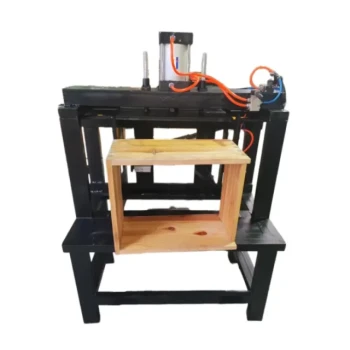
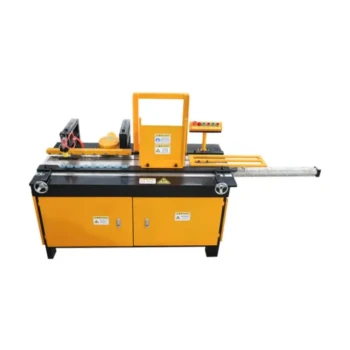
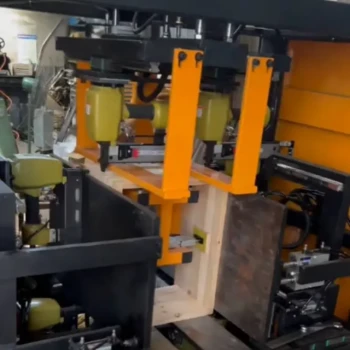
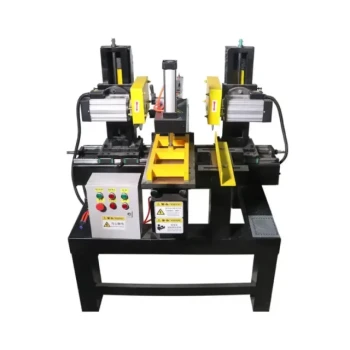
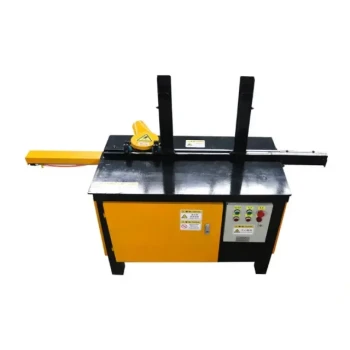
Specialized hive-making machinery constitutes the backbone of commercial infrastructure because it enables the mass production of standardized, high-precision hive components. This precision is not merely a manufacturing detail; it is the prerequisite for mechanizing colony management, reducing long-term operating costs, and ensuring that frames and hive bodies are universally interchangeable across large-scale apiaries.
By transitioning from manual construction to industrial-grade manufacturing, beekeepers replace variable, artisanal equipment with a standardized hardware platform. This consistency enables mechanized operations, rapid logistics, and the efficient management of thousands of colonies simultaneously.
The Critical Role of Precision and Interchangeability
Eliminating Equipment Incompatibility
In a commercial setting, the ability to move resources between colonies is vital. Frame interchangeability is the single most important operational benefit of specialized machinery.
When machinery ensures precise dimensional tolerances, a frame from Hive A will always fit perfectly into Hive B. This eliminates the friction and labor waste caused by ill-fitting components during inspections or honey harvesting.
Establishing a "Hardware Foundation"
Industrial-grade machinery creates a scientifically designed habitat that serves as the hardware foundation for the entire operation.
Rather than viewing hives as simple wooden boxes, commercial operators view them as modular units of production. Precision manufacturing ensures that this foundation remains consistent, regardless of when or where the component was produced.
Driving Operational Efficiency
Facilitating Mechanized Management
Manual beekeeping methods do not scale linearly; they require exponential labor increases. Specialized machinery produces hives that meet the strict physical specifications required for mechanized beekeeping operations.
Standardized dimensions allow for the use of automated honey extraction lines and mechanical handling equipment. Without this uniformity, automation becomes impossible, and the apiary remains trapped in labor-intensive manual processes.
Lowering Manufacturing and Labor Costs
Utilizing specialized machinery allows for the mass production of equipment using local raw materials, significantly lowering the manufacturing cost per hive.
Beyond initial production, costs are further reduced through maintenance efficiency. Because parts are standardized, repairing a hive or swapping a super (box) requires less time and effort than managing a fleet of bespoke, irregular hives.
Logistics and Environmental Resilience
Streamlining Transportation and Stacking
Commercial beekeeping often involves migratory practices, moving colonies for pollination services. Structural stability during long-distance transportation is non-negotiable.
Machinery ensures hives are perfectly square and level, allowing for secure stacking on pallets and trucks. This precision prevents shifting during transit, protecting both the equipment and the colony inside.
Enhancing Biological Protection
High-precision cutting results in tighter joints and superior airtightness.
This manufacturing quality provides better insulation and structural integrity against environmental challenges, such as pollution or extreme weather. A well-sealed hive helps the colony maintain a stable micro-climate, directly influencing colony health and production resilience.
Understanding the Trade-offs
High Initial Capital Expenditure
Implementing specialized hive-making machinery requires a significant upfront investment compared to purchasing finished hives or building them manually.
This cost is only justifiable for operations intending to scale significantly. For smaller apiaries, the ROI on such machinery may take years to realize.
Rigidity of Standardization
Once a production line is set to specific dimensions (e.g., Langstroth standards), the operation becomes "locked in" to those specifications.
While standardization creates efficiency, it reduces flexibility. Changing hive designs or experimenting with non-standard configurations becomes difficult and costly once the industrial tooling is established.
Aligning Infrastructure with Operational Goals
To determine if specialized machinery is the right investment for your infrastructure, evaluate your current scale and future growth targets.
- If your primary focus is Rapid Scaling: You must prioritize machinery that guarantees 100% frame interchangeability to prevent operational bottlenecks as your hive count grows.
- If your primary focus is Migratory Beekeeping: Focus on machinery that produces high-tolerance, stackable components to ensure structural stability during frequent transport.
- If your primary focus is Cost Control: Leverage machinery to process local raw materials, reducing your reliance on expensive imported pre-made hives.
Ultimately, specialized machinery transforms the beehive from a variable craft product into a reliable industrial asset, unlocking the potential for true commercial scale.
Summary Table:
| Feature | Commercial Benefit | Operational Impact |
|---|---|---|
| Dimensional Precision | 100% Frame Interchangeability | Eliminates labor waste during inspections and harvesting |
| Mass Production | Lower Unit Cost per Hive | Reduces reliance on expensive, pre-made imported equipment |
| Standardization | Mechanization Compatibility | Enables automated extraction and mechanical handling |
| Structural Integrity | Enhanced Durability | Ensures safety during migratory transport and stacking |
| High-Tolerance Joins | Superior Airtightness | Improves colony micro-climate and environmental resilience |
Scale Your Apiary with Industrial Precision
Transitioning from manual labor to automated efficiency is the key to commercial success. At HONESTBEE, we empower commercial apiaries and distributors with the high-performance infrastructure needed to dominate the market.
Our comprehensive wholesale portfolio includes:
- Specialized Machinery: Hive-making machines and automated honey-filling systems.
- Professional Hardware: Durable beekeeping tools and industrial-grade equipment.
- Essential Consumables: A wide array of supplies to keep your operation running smoothly.
- Cultural Merchandise: Unique honey-themed products for brand expansion.
Ready to lower your operating costs and achieve true industrial scale? Contact HONESTBEE today to discuss our wholesale solutions and technical support tailored for your business.
References
- Beekeeping In The Mediterranean, From Antiquity To The Present. DOI: 10.1080/0005772x.2014.11417587
This article is also based on technical information from HonestBee Knowledge Base .
Related Products
- High-Efficiency Pneumatic Bee Hive Making Machine for Rapid Box Assembly
- Beehive Handle and Frame Rest Cutting Machine: Your Specialized Hive Machine
- Mini Desktop Bee Hive Frame Forming Making Machine
- Automatic High-Speed Bee Hive Box Stapling Machine
- Beehive Machine Double End Saw for Precision Hive Component Manufacturing
People Also Ask
- How does the introduction of professional beehive-making machinery benefit sustainable beekeeping? Scale Your Apiary
- Why is specialized beehive-making machinery critical for low-defense breeding? Enhance Selection with Precision Tools
- How does the introduction of specialized beehive making machinery contribute to increasing the scale of regional beekeeping industries?
- What is the importance of specialized beehive making machinery in a circular bio-economy? Build Local Sustainability
- Why is specialized beehive-making machinery essential? Scale Your Apiary with Precision Industrial Standards