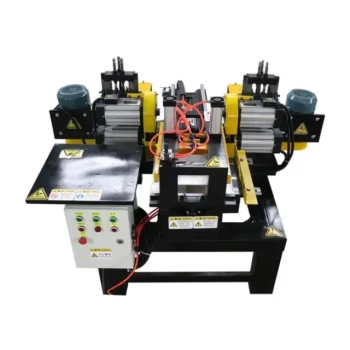
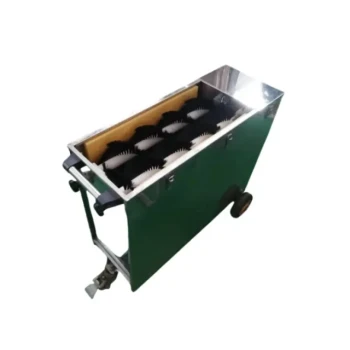
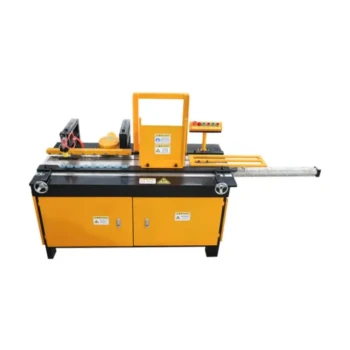
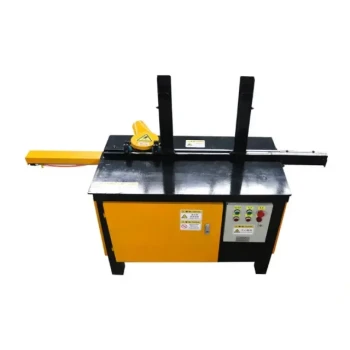
The acquisition of professional beekeeping machinery acts as the critical catalyst for modernizing apiary operations. By transitioning from traditional manual methods to specialized equipment, producers can bypass the physical limitations of labor-intensive processes, significantly increase production volume, and mitigate critical operational risks such as high transportation costs and product loss.
Professional machinery is not merely an efficiency upgrade; it provides the essential infrastructure required to transform a subsistence-level practice into a resilient, industrial enterprise capable of meeting global quality standards and sustainable economic returns.
Transforming Operations through Modernization
Shifting from Manual to Industrial
The primary barrier to scaling honey production is the reliance on manual labor. Professional machinery, such as automated honey-filling equipment and beehive-making tools, replaces these labor-intensive processes with high-efficiency automation.
This shift allows apiaries to manage significantly larger bee populations without a proportional increase in human effort. By industrializing the workflow, producers can process higher volumes of honey, directly leading to improved management levels and increased economic returns.
Mitigating Operational Risks
Traditional beekeeping is often plagued by inefficiencies that erode profit margins. Investing in modern tools allows producers to create a modernized production environment that is more resilient to external pressures.
Specifically, professional equipment helps mitigate logistical risks, such as high transportation costs, and prevents unnecessary product losses during extraction and processing. This reliability is essential for maintaining a consistent supply chain.
Ensuring Quality and Market Viability
Standardization for Global Markets
To access global supply chains, honey must meet strict international trade requirements. Industrial-grade processing machinery ensures that small-scale outputs can be transformed into standardized commodities.
Automated processing and filling equipment guarantee high hygiene standards and quality stability. This consistency is the key to generating the financial capital necessary for continued investment in the operation.
Meeting Organic Certification Standards
For producers targeting the premium organic market, professional tools are the hardware support system for compliance. These tools are designed to ensure hygiene and prevent external contamination during extraction.
High-purity organic honey requires sterile processing workflows. Modern machinery provides the precision required to meet these safety requirements, ensuring the final product preserves its value and certification status.
Protecting the Asset: Colony Health
Minimizing Colony Disturbance
One of the overlooked benefits of professional tools—such as specific uncapping knives and extractors—is the protection of the bees themselves. Crude harvesting methods often damage hive structures, forcing bees to expend energy rebuilding rather than producing honey.
Specialized equipment ensures harvesting is conducted with minimal stress to the colony. This preserves the hive structure and energy reserves, resulting in higher quality and quantity of both honey and beeswax over time.
Precision Management
Modern management machinery allows beekeepers to monitor colony health with scientific precision. This is particularly important during the transition from traditional to organic agriculture.
By using technical equipment like automatic scrapers and pollen traps, beekeepers can maintain productivity while adhering to strict environmental standards. This supports the conservation of biodiversity and ensures stable pollinator populations.
Understanding the Trade-offs
Capital Intensity vs. Efficiency
While mechanization solves production constraints, it introduces a requirement for significant upfront capital investment. Moving from low-cost traditional tools to industrial machinery is a financial hurdle that requires a clear business plan to ensure return on investment.
Operational Complexity
The introduction of automated machinery transforms the beekeeper’s role from a purely agricultural one to a technical one. Operators must develop new technical competencies to maintain and operate sterile processing lines and automated harvesters effectively.
Making the Right Choice for Your Goal
To determine the right level of investment for your operation, consider your primary objectives:
- If your primary focus is Industrial Scaling: Prioritize automation in hive construction and honey filling to maximize volume and reduce labor costs per unit.
- If your primary focus is Organic Certification: Prioritize sterile extraction tools and precision management hardware to ensure contamination-free, high-purity output.
- If your primary focus is Colony Sustainability: Prioritize non-invasive harvesting tools and protective gear to minimize hive disturbance and energy loss.
Professional tooling is the bridge between traditional beekeeping and a viable, scalable commercial industry.
Summary Table:
| Constraint Category | Manual Method Limitation | Professional Machinery Solution | Benefit to Producer |
|---|---|---|---|
| Production Scale | Labor-intensive, slow processing | Automated filling & hive-making | Higher volume & industrial scaling |
| Quality Control | Inconsistent hygiene & standards | Standardized sterile processing | Global market & organic compliance |
| Operational Risk | High product loss & labor costs | Precision extraction & automation | Reduced waste & logistical stability |
| Bee Welfare | Hive damage & colony stress | Non-invasive harvesting tools | Better honey quality & colony health |
Elevate Your Commercial Apiary with HONESTBEE
Transitioning from manual labor to industrial efficiency is the key to surviving in the global honey market. HONESTBEE specializes in empowering commercial apiaries and distributors with the high-performance hardware needed to overcome production bottlenecks.
Our comprehensive wholesale range includes:
- Industrial Machinery: Precision hive-making machines and high-speed honey-filling lines.
- Specialized Equipment: Automated extractors, pollen traps, and scrapers designed for hygiene.
- Industry Consumables: A full spectrum of essential beekeeping tools and honey-themed merchandise.
Whether you are scaling for volume or aiming for premium organic certification, our equipment ensures your operation meets international standards while protecting your most valuable asset—your bees.
Contact HONESTBEE Today to discuss our wholesale solutions and how we can modernize your production pipeline.
References
- Chidinma Rosemary OKEZIE, Amarachi Blossom ANYANWU. Influence of Socio Economic Variables on Output of Honey in Ikwuano Local Government Area of Abia State, Nigeria. DOI: 10.47103/bilturk.970998
This article is also based on technical information from HonestBee Knowledge Base .
Related Products
- Professional Bee Smoker with Elongated Spout and Durable Bellows for Beekeeping
- HONESTBEE Professional Mini J-Hook Hive Tool for Beekeeping
- Professional Bee Frame Machine for Side Bar Shaping
- Stainless Steel J Hook Hive Tool for Beekeeping
- Professional 600D Oxford Cloth Beekeeping Tool Bag with 8 Pockets and Elastic Loops
People Also Ask
- What roles do bee smokers and precision tools play in honey harvesting? Master Safety and Quality Control
- Why is a professional bee smoker considered an essential tool for hive management and safety? Master Colony Control.
- Why is the use of professional bee smokers and specialized fuel essential? Protect Honey Purity & Colony Safety
- Why is a professional Smoker essential during routine apiary inspections? Enhance Safety and Operational Efficiency
- How do professional bee smokers facilitate bee management? Enhancing Forest Beekeeping Safety and Efficiency