The application of wood preservatives and specialized paints is critical because it creates a necessary barrier against environmental degradation. Without this protection, wooden components are vulnerable to high humidity, heavy rainfall, and intense ultraviolet (UV) radiation, which rapidly accelerate rotting and structural failure.
The core purpose of treating beehives is to extend the service life of your equipment and reduce long-term production costs. By preventing physical decay, you provide a stable, weather-resistant environment that is essential for the health and productivity of the honeybee colony.
Protecting Structural Integrity
Combating Environmental Stressors
Wooden beehives are constantly exposed to harsh outdoor elements that degrade organic materials. High humidity and heavy rainfall act as persistent threats, forcing moisture into the wood grain.
Preventing Rot and Warping
When moisture penetrates untreated wood, it leads to swelling and inevitable rotting. Simultaneously, intense UV radiation dries out and breaks down wood fibers, causing components to warp and compromising the tight fit required for a functional hive.
Waterproofing and Corrosion Resistance
Specialized coatings provide a layer of waterproofing and corrosion resistance. This exterior shield prevents the elements from making direct contact with the wood, halting the decay process before it begins.
Economic and Operational Benefits
Extending Equipment Lifespan
Replacing woodenware is a significant expense for any apiary. Proper maintenance using preservatives and paints effectively extends the service life of beekeeping equipment, ensuring facilities remain durable for years rather than seasons.
Reducing Production Costs
The longevity of your equipment directly impacts your bottom line. By preserving the wood you already have, you significantly reduce overall production costs, avoiding the financial burden of frequent repairs or replacements.
Ensuring Colony Stability
Creating a Stable Environment
A rotting or warping hive exposes the colony to drafts and moisture. A well-maintained hive provides a stable, weather-resistant environment, allowing bees to regulate their internal climate efficiently.
Protecting the Colony
The physical stability of the hive protects the colony from external stressors. This security enables the bees to focus their energy on brood rearing and honey production rather than combatting the elements.
Understanding the Trade-offs
The Necessity of Non-Toxic Materials
While protection is vital, not all chemical treatments are safe for bees. It is imperative to use non-toxic and specialized coatings to ensure that the preservatives used to save the wood do not harm the colony living inside it.
Maintenance Requires Consistency
Applying these treatments is not a one-time solution. To ensure long-term durability, coatings must be monitored and reapplied as they wear down from exposure to extreme outdoor weather.
Making the Right Maintenance Decisions
To maximize the value of your equipment and the health of your bees, align your maintenance strategy with your specific goals:
- If your primary focus is Equipment Longevity: Prioritize coatings that offer high-grade waterproofing and UV protection to prevent warping and rot.
- If your primary focus is Economic Efficiency: Implement a regular maintenance schedule to treat wood early, preventing the need for costly capital replacements.
- If your primary focus is Colony Safety: Verify strictly that all paints and preservatives are specialized, non-toxic formulations designed specifically for apiculture.
Proactive maintenance is the single most effective investment you can make to secure both your infrastructure and your colony's future.
Summary Table:
| Maintenance Factor | Impact of Treatment | Benefit to Apiary |
|---|---|---|
| Moisture & Rain | Provides waterproofing barrier | Prevents rot and structural decay |
| UV Radiation | Blocks harmful sunlight | Reduces wood warping and fiber breakdown |
| Equipment Life | Slows organic degradation | Extends service life of woodenware |
| Operating Cost | Minimizes replacement frequency | Lowers overall production expenses |
| Colony Health | Ensures a stable internal climate | Improves bee productivity and survival |
Secure Your Apiary’s Future with HONESTBEE
Maintaining your infrastructure is a critical investment. At HONESTBEE, we understand the unique challenges faced by commercial apiaries and distributors. We provide a comprehensive wholesale range of professional-grade beekeeping tools, machinery, and essential consumables designed for durability.
From advanced hive-making equipment to specialized hardware that stands the test of time, our portfolio is built to enhance your operational efficiency and protect your bottom line. Let us help you scale your business with high-quality supplies and honey-themed cultural merchandise.
Ready to upgrade your equipment? Contact us today to explore our wholesale solutions!
References
- Jamie Ellis, William H. Kern. Florida Beekeeping Management Calendar. DOI: 10.32473/edis-in848-2018
This article is also based on technical information from HonestBee Knowledge Base .
Related Products
- Wholesales Dadant Size Wooden Bee Hives for Beekeeping
- Wooden Bee Hive Frames for Beekeeping and Wholesale
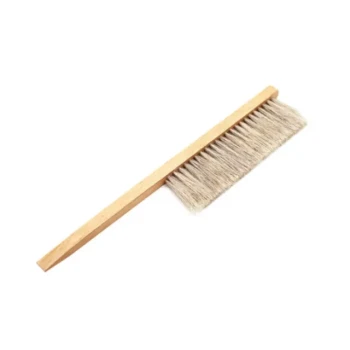
- Wooden Bee Brush with Double-Row Horsehair Bristles
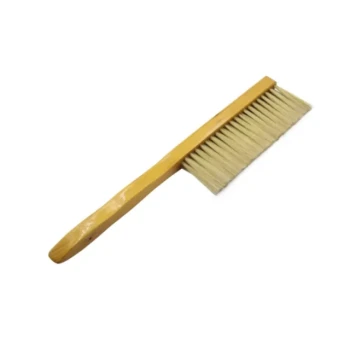
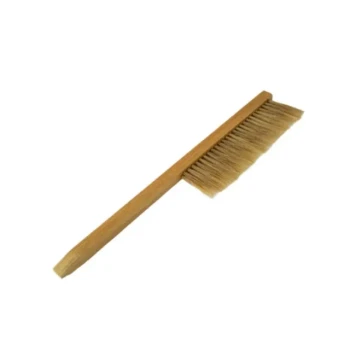
- Wooden Bee Brush with Triple Row Artificial Fiber for Beekeeping
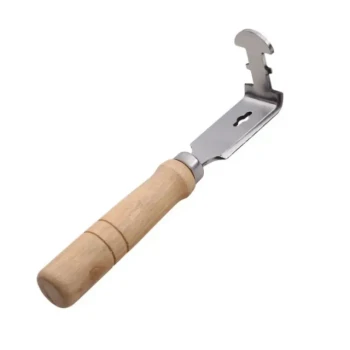
- Precision Stainless Steel Frame Cleaner for Hive Grooves and Corners
People Also Ask
- What are the strategic benefits of installing beekeeping hives at an elevation of 1 to 6 meters? Protect Your Assets
- What are the key advantages of modern improved beekeeping hives? Scale Your Honey Yield and Production Efficiency
- What is the proper way to store unused bee hives? Expert Stacking Tips for Equipment Longevity
- What are the 2 types of bee hives? Langstroth vs. Top-Bar for Your Apiary
- How does the design of improved beekeeping hives contribute to maintaining honey quality and purity? Enhancing Purity