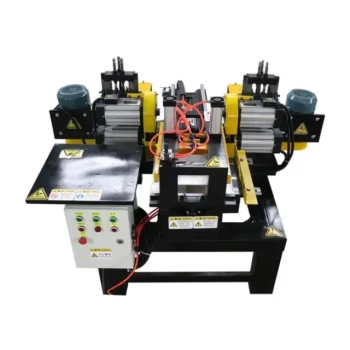
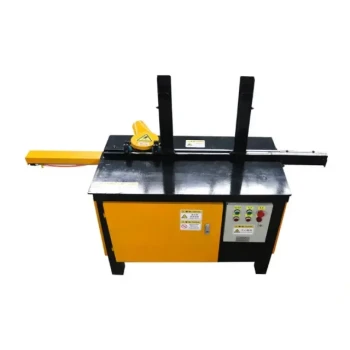
The development of customized machinery is pivotal because it fundamentally lowers the barrier to entry for small-scale and part-time beekeepers. By creating equipment specifically sized for smaller operations, the industry makes advanced processing technology affordable, preventing small producers from being priced out of modernization.
The core value of scale-appropriate machinery is that it resolves the imbalance between high investment costs and lower economic returns, ensuring technological innovation reaches every level of the supply chain.
Bridging the Economic Gap
Correcting the Investment-Return Imbalance
For smaller producers, the primary challenge is often economic rather than technical. Buying industrial-scale equipment for a medium-scale operation creates a disparity between the capital invested and the potential profit.
Customized machinery addresses this by aligning the cost of the equipment with the actual production capacity of the user. This ensures that the return on investment (ROI) remains viable for operations that are not yet at mass-industrial levels.
Lowering Entry Barriers
High equipment costs often discourage new entrants or hobbyists wishing to expand. When machinery is tailored to small and medium scales, it significantly reduces the initial financial hurdle.
This democratization of access allows part-time beekeepers to enter the market with professional-grade tools without requiring the budget of a large commercial enterprise.
Universal Access to Innovation
Making Advanced Technology Affordable
Technological advancements in beekeeping—such as automated processing or precision extraction—should not be exclusive to large corporations. Customized development ensures these innovations are scaled down physically and financially.
This allows smaller producers to leverage the same efficiencies and quality controls as larger competitors, but at a price point that makes sense for their business model.
Integration Across the Industry Chain
A healthy industry requires efficiency at every link in the chain, not just at the top. Developing machinery for all sizes ensures that technological progress is integrated throughout the entire industry.
This holistic approach strengthens the overall market by empowering producers regardless of their operation size.
Understanding the Trade-offs
Specificity vs. Scalability
While customized machinery solves immediate cost issues, producers must consider their long-term growth. Equipment tailored strictly for a "small" operation may become a bottleneck if the business expands rapidly.
The Cost of Customization
Developing specialized machinery for smaller segments can sometimes result in a higher cost-per-unit of capacity compared to mass-produced industrial gear. The benefit is a lower total purchase price, but the efficiency per dollar may vary depending on the specific design.
Making the Right Choice for Your Goal
When evaluating machinery for a small or medium-sized operation, consider your immediate financial constraints against your long-term growth plans.
- If your primary focus is minimizing financial risk: Prioritize customized, small-scale machinery to keep your initial overhead low and align expenses with current revenue.
- If your primary focus is rapid expansion: Evaluate if the customized machinery offers modularity, or if a slightly larger investment now will prevent the need to replace equipment too soon.
True industry resilience is achieved when advanced technology is accessible to producers of every size, not just the largest players.
Summary Table:
| Key Benefit | Impact on Small/Medium Producers | Long-term Value |
|---|---|---|
| Economic Alignment | Reduces initial capital expenditure and balances ROI | Ensures financial sustainability |
| Tech Accessibility | Brings advanced automation to smaller operations | Improves honey quality and consistency |
| Market Entry | Lowers the financial barrier for new beekeepers | Encourages industry growth and diversity |
| Operational Fit | Equipment sized perfectly for current production | Maximizes workspace and labor efficiency |
Empower Your Apiary with HONESTBEE Professional Solutions
At HONESTBEE, we specialize in bridging the gap between advanced technology and practical application for commercial apiaries and distributors. Whether you are scaling a medium-sized operation or supplying a network of professional beekeepers, our comprehensive wholesale offering provides the tools you need to succeed.
From specialized hive-making and honey-filling machines to essential industry consumables and honey-themed merchandise, we provide the full spectrum of equipment tailored to your specific scale. Don't let high costs or oversized machinery stall your growth.
Ready to modernize your operation with cost-effective, high-performance machinery?
Contact HONESTBEE Today to Discuss Your Custom Needs
References
- Lotta Fabricius Kristiansen, Kes McCormick. Bridging research and practice: developing beekeeping knowledge and innovation systems. DOI: 10.3389/fcosc.2024.1490089
This article is also based on technical information from HonestBee Knowledge Base .
Related Products
- Miniature Stainless Steel Bee Smoker for Beekeeping
- Mini Desktop Bee Hive Frame Forming Making Machine
- Professional Wide Blade Honey Scraper for Beekeeping and Honey Processing
- Stainless Steel J Hook Hive Tool for Beekeeping
- HONESTBEE 15-in-1 Beekeeper Multi-Tool with Hammer and Pliers for Beekeeping
People Also Ask
- What are bee smokers made out of? Choose the Right Material for Your Apiary
- What is the function of a beekeeping smoker? Enhance hive safety and specimen collection with professional precision.
- How should a beekeeping smoker be used when inspecting a hive? Master Calm Hive Management Techniques
- What is the primary function and mechanism of beekeeping smokers? Enhance Hive Safety and Harvesting Efficiency
- How does smoke from a beekeeping smoker affect honeybees? Master Hive Control with Science