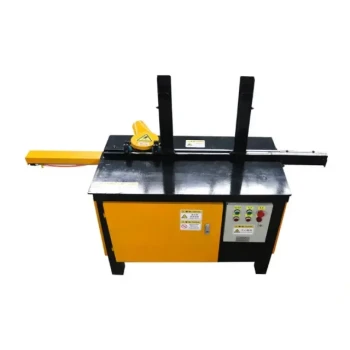
The flowering period serves as a critical biological forecast for the apiary manufacturing industry. It dictates the precise timing of bee colony expansion, which drives the immediate market demand for new hives and frames. Manufacturers must align their machinery production schedules against these natural cycles to ensure equipment is available before the critical spring growth phase begins.
Core Takeaway Biological data, specifically the flowering times of species like Salix, acts as a leading indicator for manufacturing demand. Successful production scheduling relies on ramping up machinery output well ahead of these natural events to prevent supply bottlenecks during the peak spring season.
The Biological Drivers of Demand
Nectar Flow and Colony Expansion
The flowering of specific tree species acts as a "start signal" for bee activity. The primary reference highlights Salix (Willow) species as a crucial marker.
When these trees provide early nectar and pollen—typically in March and April—it triggers a rapid increase in colony size. This biological expansion is not gradual; it is an explosive growth phase that requires immediate housing.
The Lag Time in Equipment Needs
Beekeepers cannot wait for the population boom to occur before acquiring equipment. They require hives, frames, and hardware to be on-site and assembled prior to the first major nectar flow.
If machinery production schedules are reactive rather than predictive, the supply chain will fail to meet the urgent needs of the apiary sector during this narrow window.
Optimizing the Manufacturing Schedule
Pre-Peak Production Planning
To meet the demand created by the March/April bloom, machinery operations must be scheduled to peak significantly earlier.
Manufacturers must utilize flowering timelines to reverse-engineer their production deadlines. This ensures that the output—hives and frames—is manufactured, quality-checked, and distributed before the bees become active.
Forecasting Volume Requirements
The intensity of the expected flowering season can help predict the volume of hardware required.
Understanding that species like Salix signal the start of expansion cycles allows manufacturers to allocate resources efficiently, ensuring machinery is staffed and maintained for high-volume runs leading up to spring.
Managing Supply Chain Risks
The Cost of Late Production
The primary trade-off in this industry is the severe penalty for lateness. Unlike non-seasonal goods, apiary equipment has a strict biological deadline.
If machinery production lags behind the flowering schedule, beekeepers miss the expansion window. This results in lost swarms or reduced honey production, rendering the manufactured inventory useless for the current season.
Inventory vs. Capital Efficiency
Conversely, running machinery at full capacity too early (e.g., mid-summer for the following spring) creates inventory holding costs.
Manufacturers must balance the risk of stockouts against the cost of warehousing bulky hives. The flowering data provides the precise "just-in-time" target date to optimize this balance.
Making the Right Choice for Your Goals
To effectively leverage biological data in your production planning:
- If your primary focus is Avoiding Stockouts: Prioritize high-volume machinery runs at least 6-8 weeks before the local Salix flowering dates to ensure distribution time.
- If your primary focus is Inventory Efficiency: Monitor regional phenological forecasts closely to align machinery start-up dates as close to the demand spike as logistics allow.
Success in this sector requires synchronizing industrial precision with biological inevitability.
Summary Table:
| Factor | Biological Indicator | Manufacturing Impact | Timing Requirement |
|---|---|---|---|
| Demand Signal | Early nectar flow (e.g., Salix) | Rapid colony growth drives hive demand | Start 6-8 weeks pre-bloom |
| Supply Chain | Spring growth phase | Peak machinery output needed | Just-in-time delivery |
| Risk Factor | Narrow biological window | Late production results in lost sales | Pre-peak planning |
| Volume Forecast | Flowering intensity | Resource and labor allocation | Seasonal scaling |
Maximize Your Apiary Efficiency with HONESTBEE
At HONESTBEE, we understand that in the beekeeping industry, timing isn't just a preference—it's a biological necessity. We specialize in supporting commercial apiaries and distributors with a comprehensive suite of high-performance beekeeping tools and machinery.
From automated hive-making and honey-filling machines to essential industry consumables and honey-themed cultural merchandise, our wholesale offerings are designed to help you stay ahead of the spring bloom. Don't let seasonal bottlenecks hinder your growth; partner with a supplier that synchronizes industrial precision with the natural cycles of your bees.
Ready to scale your production? Contact us today to explore our full spectrum of professional hardware and equipment.
References
- Karen Koelzer, Michael Weber. Trees Are a Major Foraging Resource for Honeybees in the City. DOI: 10.3390/plants13213094
This article is also based on technical information from HonestBee Knowledge Base .
Related Products
- High-Efficiency Pneumatic Bee Hive Making Machine for Rapid Box Assembly
- Beehive Handle and Frame Rest Cutting Machine: Your Specialized Hive Machine
- Mini Desktop Bee Hive Frame Forming Making Machine
- Automatic High-Speed Bee Hive Box Stapling Machine
- Beehive Machine Double End Saw for Precision Hive Component Manufacturing
People Also Ask
- How does the introduction of professional beehive-making machinery benefit sustainable beekeeping? Scale Your Apiary
- Why is specialized beehive-making machinery critical for low-defense breeding? Enhance Selection with Precision Tools
- How does the introduction of specialized beehive making machinery contribute to increasing the scale of regional beekeeping industries?
- What is the importance of specialized beehive making machinery in a circular bio-economy? Build Local Sustainability
- Why is specialized beehive-making machinery essential? Scale Your Apiary with Precision Industrial Standards