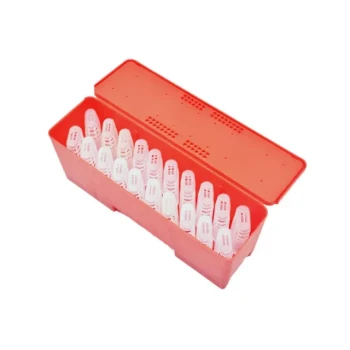
The installation of a beehive ventilation box is critical because it resolves the lethal conflict between shielding bees from pesticides and allowing them to breathe. When a hive entrance is closed to block chemical entry, the colony faces immediate risks of suffocation and overheating; the ventilation box mitigates these internal threats by permitting air exchange while maintaining physical isolation.
While sealing a hive effectively blocks external pesticide exposure, it inadvertently creates a dangerous, sealed environment. The ventilation box is essential because it maintains the colony's vital respiratory and thermal balance during these necessary periods of confinement.
The Dual Threat of Hive Isolation
The Risk of Carbon Dioxide Accumulation
When a beekeeper seals a hive to protect it from spray applications, the immediate byproduct is a lack of fresh air. Without a dedicated ventilation mechanism, carbon dioxide produced by the bees accumulates rapidly.
This buildup creates a suffocating environment. If the lockdown lasts for the duration of a spray event without auxiliary airflow, the colony risks asphyxiation.
The Danger of Rapid Heat Spikes
Honeybee colonies generate significant metabolic heat. Under normal conditions, they regulate this through the hive entrance.
When the hive is sealed, this heat is trapped inside. The internal temperature can rise drastically in a short period, leading to secondary damage caused by high heat, which can be just as lethal as the pesticide itself.
How the Ventilation Box Solves the Problem
Facilitating Safe Air Exchange
The primary function of the ventilation box is to provide a pathway for airflow when the main entrance is closed. It allows fresh air to enter and heat to escape.
This exchange prevents the "greenhouse effect" inside the hive. It ensures the internal microclimate remains stable enough for the bees to survive the isolation period.
Maintaining Physical Separation
The tool allows for ventilation without breaking the defensive seal. It physically isolates the bees, preventing them from flying out into the direct spray exposure.
By acting as a breathable barrier, it ensures that the chemical agents remain outside the hive while the life-sustaining air continues to cycle through.
Understanding the Trade-offs
Necessity of Preparation
A ventilation box is a preventative tool, not a reactive one. It must be installed before the pesticide application begins to be effective.
Temporary Isolation Limits
This device is designed for temporary lockdowns. While it handles airflow well, it implies that the colony is confined; prolonged confinement beyond the necessary spray window can still stress the colony.
Ensuring Colony Survival During Applications
To effectively protect your apiary, you must balance exclusion with ventilation.
- If your primary focus is avoiding chemical exposure: Ensure the hive is fully locked down and physically isolated before spraying begins.
- If your primary focus is preventing colony suffocation: Verify that the ventilation box is correctly installed to allow sufficient air exchange to offset the closed entrance.
The ventilation box is the bridge that allows a colony to remain securely locked down without succumbing to its own metabolic heat.
Summary Table:
| Hazard of Lockdown | Primary Risk Factor | Role of Ventilation Box |
|---|---|---|
| Asphyxiation | Carbon Dioxide (CO2) accumulation | Facilitates fresh air exchange while entrance is sealed |
| Thermal Stress | Metabolic heat spikes | Allows internal heat to escape, preventing a greenhouse effect |
| Chemical Kill | Direct pesticide exposure | Maintains a physical barrier while ensuring breathability |
| Colony Stress | Prolonged confinement | Stabilizes the internal microclimate during isolation periods |
Secure Your Apiary’s Future with HONESTBEE
Protecting your honeybee colonies from pesticide exposure requires professional-grade equipment that balances safety with survival. As a leading supplier to commercial apiaries and distributors, HONESTBEE provides a comprehensive wholesale range of high-quality beekeeping tools, hive-making machinery, and essential consumables designed for large-scale success.
Whether you need precision-engineered ventilation solutions or advanced honey-processing equipment, we offer the expertise and hardware to elevate your operations. Maximize your colony's resilience—contact our wholesale team today to discuss our full spectrum of beekeeping hardware and machinery!
References
- Amany Abou Lila, Mohamed I Younis. RESIDUAL EFFECT OF SOME PESTICIDES ON FIELD HONYBEE WORKERS(Apis mellifera L.) AT BEHIERA GOVERNORATE, EGYPT. DOI: 10.21608/jppp.2015.75301
This article is also based on technical information from HonestBee Knowledge Base .
Related Products
- Steel Round Disc Entrance Reducer for Flexzion Bee Hive Nuc Box Gate
- Stainless Steel Round Beehive Air Vents for Ventilation
- Metal Bee Hive Stand Bee Box Stand for Beekeeping
- High-Efficiency Pneumatic Bee Hive Making Machine for Rapid Box Assembly
- Australian Langstroth Beehive Boxes for Beekeeping Wholesales
People Also Ask
- What is the purpose of an entrance reducer for a beehive? Strengthen Colony Defense and Prevent Robbery
- Why are entrance reducers used to counter hornet infestations? Protect Your Hive with Strategic Choke Points
- Why is it critical to maintain a smaller entrance for a newly established bee hive? Boost Colony Growth and Security
- What is the function of an entrance reducer on a beehive? Strengthen Colony Defense and Climate Control
- Under what conditions should a beekeeper adjust the size of a beehive entrance? Seasonal & Defense Management Tips