Material thickness is the primary defense against stings during apiary work. While thick, durable materials offer a robust physical barrier that prevents stingers from reaching the skin, the importance of thickness extends beyond simple shielding; it dictates your ability to work safely versus your ability to work precisely. Investing in gloves with the appropriate material density ensures you can handle frames and colonies without the distraction of potential pain.
The thickness of your beekeeping gloves determines the fundamental trade-off between impenetrable safety and tactile dexterity. For most apiarists, the goal is to secure enough thickness to prevent stings while retaining the flexibility required for precise hive management.
The Protective Function of Thickness
Creating an Impenetrable Barrier
The primary role of material thickness is to render the glove impenetrable to stings. Durable materials creates a buffer zone that bee stingers cannot easily pierce.
In contrast, thin alternatives, particularly those made of simple cotton or light cloth, often fail to provide adequate resistance. Relying on insufficient thickness leaves the hands vulnerable, especially when gripping heavy frames covered in bees.
Mitigating Beekeeper Anxiety
Thickness plays a crucial psychological role, particularly for novices. Bees are highly sensitive to movement and can detect the shaky, fumbling hands associated with nervousness, often reacting defensively.
Wearing thick, reliable gloves acts as a safeguard that helps the beekeeper remain calm. This confidence reduces erratic movements, creating a feedback loop that keeps the colony calmer and reduces the likelihood of an attack.
Understanding the Trade-offs
The Dexterity Penalty
There is an unavoidable compromise between safety and ease of use. Thicker materials, while safer, can be clumsy and restrictive.
Heavy gloves reduce tactile sensitivity, making fine motor tasks—such as picking up a queen or separating propolized frames—significantly more difficult. This lack of feedback can lead to accidental squashing of bees, which releases alarm pheromones.
The Risk of Lightweight Gear
Lighter gloves favor dexterity, allowing for gentle, precise movements similar to bare hands. However, this precision comes at the cost of increased exposure.
Experienced beekeepers often accept this risk to maximize control, but for many, the threat of stings outweighs the benefit of added touch sensitivity.
The Role of Fit
Material thickness cannot be viewed in isolation from fit. A thick glove that fits poorly is the worst of both worlds: it offers protection but causes significant clumsiness.
Loose gloves can trap bees inside folds or cause you to drop equipment. To optimize both protection and function, the glove must fit snugly enough to allow movement, regardless of how thick the material is.
Making the Right Choice for Your Goals
Start by assessing your experience level and comfort with bee behavior.
- If your primary focus is maximum safety and building confidence: Opt for thicker gloves, such as goatskin with canvas sleeves, to ensure stings cannot penetrate while you learn to handle the hive calmly.
- If your primary focus is precision and hive management: Transition to thinner leather options or go gloveless only once you have mastered the calm, steady movements required to minimize defensive reactions from the colony.
Select the gear that balances physical protection with the manual dexterity required to perform your work efficiently.
Summary Table:
| Glove Material Type | Thickness Level | Protection Grade | Dexterity Rating | Best For |
|---|---|---|---|---|
| Heavy-Duty Goatskin | High | Superior | Moderate | Beginners & Aggressive Hives |
| Standard Cowhide | Medium-High | Excellent | Low-Moderate | General Hive Maintenance |
| Thin Sheepskin/Leather | Medium-Low | Moderate | High | Experienced Beekeepers |
| Cotton/Canvas Cloth | Low | Minimal | High | Low-Risk Tasks (Non-Sting) |
Scale Your Apiary Operations with HONESTBEE
At HONESTBEE, we understand that for commercial apiaries and distributors, the right gear is the foundation of productivity. We provide a comprehensive wholesale range of professional beekeeping tools, from high-performance protective gloves to advanced honey-filling and hive-making machinery.
Whether you are looking to stock durable consumables or invest in specialized hardware to streamline your production, our expert team is here to support your growth. Contact us today to discuss our wholesale offerings and discover how our industry-leading equipment can enhance your business efficiency.
Related Products
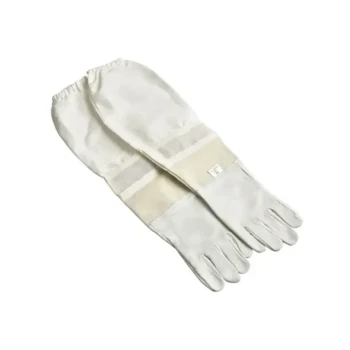
- Beekeeping Gloves Goatskin Leather with Long Cotton Sleeve for Beekeepers
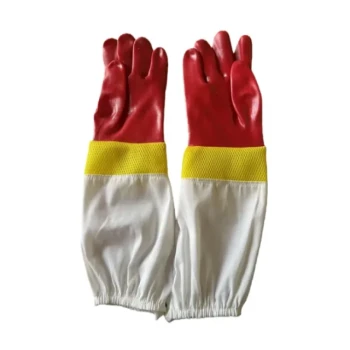
- Heavy Duty Red Rubber Beekeeping Gloves with Vented Mesh Cotton Sleeves
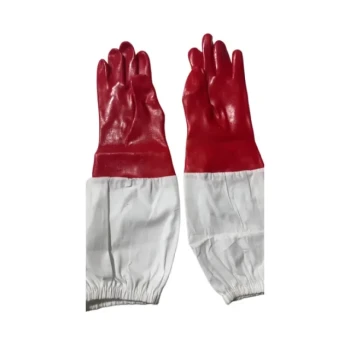
- Heavy Duty Red Rubber Beekeeping Gloves with Extended Pure Cotton Sleeves for Beekeepers
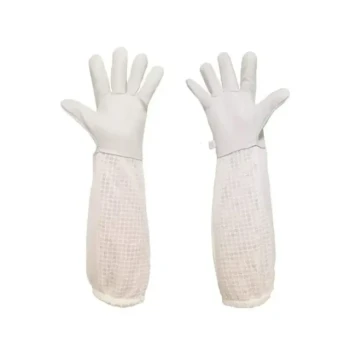
- Goatskin Leather Beekeeper Gloves with Vent Long Sleeve for Beekeeping Honey Bee Sting Proof Protection
- Premium Ventilated Goatskin Beekeeping Gloves with Full 3-Layer Mesh Sleeve
People Also Ask
- What are the characteristics of the best gloves for beekeeping? Choose Protection & Dexterity
- What are the primary purposes of using beekeeping gloves? Protect Your Hands and Ensure Apiary Hygiene
- What types of gloves are available for beekeeping? Choose the Right Protection for Your Hive
- Why is it important for beekeepers to wear gloves? Essential Safety and Confidence for Hive Management
- Why do some experienced beekeepers opt not to wear gloves? Discover the Benefits of Tactile Precision