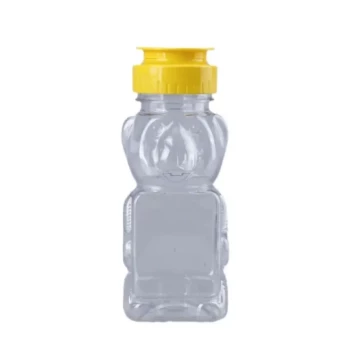
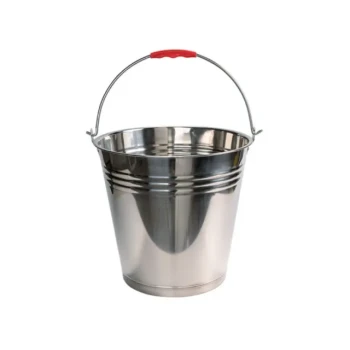
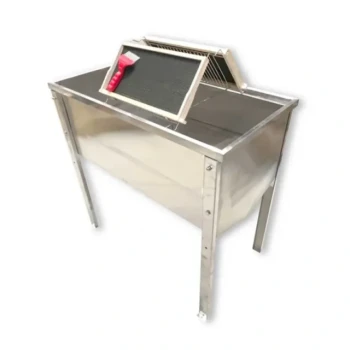
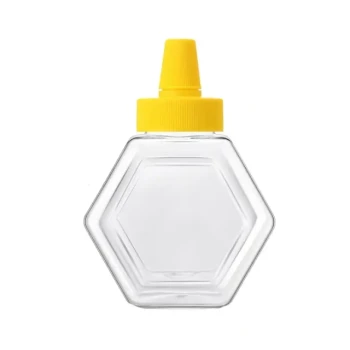
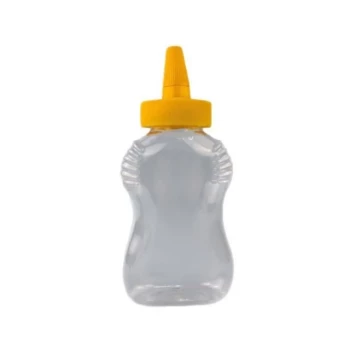
The selection of storage materials is strictly dictated by honey's inherent chemical properties. Honey is a naturally acidic substance. Consequently, using stainless steel or food-grade plastic is critical to prevent chemical reactions that leach heavy metals, such as zinc and lead, into the product while preserving its natural color and stability.
Because honey is acidic and hygroscopic, it acts as a solvent when in contact with reactive metals like galvanized iron or lead solder. High-quality stainless steel and food-grade plastic provide the necessary chemical inertness and sealing capabilities to prevent heavy metal contamination, oxidation, and moisture-induced fermentation.
The Chemistry of Contamination
The Acidity Factor
Honey acts as a weak acid. When stored in improper metal containers—specifically those made of galvanized iron or containing lead-soldered seams—the acidity triggers active corrosion.
Heavy Metal Leaching
This acidic corrosion degrades the container's surface. This process leaches hazardous heavy metals, including zinc, iron, and lead, directly into the honey, compromising food safety.
The Stainless Steel Solution
High-quality stainless steel is chemically inert. It withstands honey's acidity without corroding, effectively eliminating the risk of heavy metal migration that occurs with lesser metals.
Preserving Sensory and Physical Quality
Preventing Discoloration
Contact with reactive metals causes oxidation and metal ion catalysis. This chemical reaction significantly darkens the honey, ruining its visual appeal and market value.
Maintaining Flavor Integrity
Reaction with metal substrates often introduces metallic off-flavors. Food-grade linings on steel drums or the use of pure food-grade plastic create a barrier that preserves the honey's original taste profile.
Avoiding Off-Odors
Corrosion in iron drums leads to rust, which introduces off-odors. Specialized food-grade containers prevent the development of these defects, maintaining the sensory characteristics required by food safety standards.
Operational Hygiene and Moisture Control
The Threat of Fermentation
Honey is hygroscopic, meaning it readily absorbs moisture from the air. If moisture levels rise too high, the honey will ferment and spoil.
Sealing Capabilities
Food-grade plastic and stainless steel containers feature superior sealing mechanisms compared to rusted or deformed iron drums. This airtight seal blocks atmospheric moisture and prevents external contaminants, such as dust or rubber debris, from entering the product.
HACCP Compliance
Stainless steel is exceptionally easy to clean and disinfect. This aligns with international safety standards like HACCP, facilitating rigorous hygiene protocols during the turnover process.
Understanding the Trade-offs
The Cost of Durability
While stainless steel offers superior corrosion resistance and durability for long-term storage, it represents a significant upfront investment compared to plastic.
Plastic and Migration Risks
Plastic is cost-effective and lightweight, but it must be strictly food-grade. Inferior plastics allow harmful substances to migrate from the packaging into the honey, altering its chemical composition.
Physical Vulnerability
Plastic containers are more prone to scratching than stainless steel. Deep scratches can harbor bacteria and make sanitation more difficult over time.
Making the Right Choice for Your Operation
Select your material based on the scale of your operation and the duration of storage.
- If your primary focus is long-term bulk storage: Choose stainless steel or lined steel drums to ensure maximum durability, chemical inertness, and protection against oxidation.
- If your primary focus is short-term turnover or cost efficiency: Choose high-density food-grade plastic with verified airtight seals to prevent moisture absorption and fermentation.
Ultimately, the container must act as an inert barrier, protecting the honey's chemistry from the environment and the vessel itself.
Summary Table:
| Material Type | Key Advantages | Best For |
|---|---|---|
| Stainless Steel | Chemical inertness, high durability, HACCP compliant, prevents metal leaching. | Long-term bulk storage and professional turnover. |
| Food-Grade Plastic | Lightweight, cost-effective, superior airtight seals, moisture-proof. | Short-term transport and budget-conscious operations. |
| Lined Steel Drums | Protective barrier against oxidation, maintains flavor integrity. | Industrial shipping and large-scale distribution. |
Elevate Your Honey Production with HONESTBEE
Maintaining the integrity of your honey requires professional-grade equipment that meets global safety standards. HONESTBEE specializes in supporting commercial apiaries and distributors with a comprehensive wholesale portfolio designed for excellence.
From advanced honey-filling machines and hive-making hardware to a full spectrum of beekeeping tools and essential consumables, we provide the infrastructure you need to scale your business. Our equipment ensures your honey remains pure, stable, and market-ready.
Ready to optimize your apiary or distribution network? Contact HONESTBEE Today to discuss our wholesale solutions and how we can bring superior value to your honey processing workflow.
References
- Stefan Bogdanov. Contaminants of bee products. DOI: 10.1051/apido:2005043
This article is also based on technical information from HonestBee Knowledge Base .
Related Products
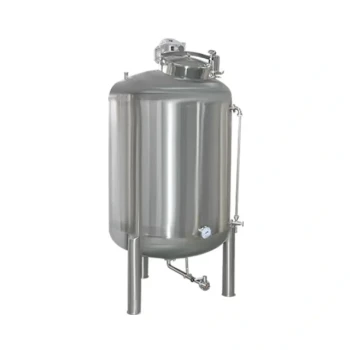
- Stainless Steel Honey Storage Tank with Lid for Honey
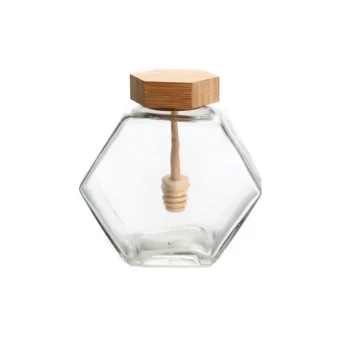
- Hexagonal Glass Honey Jar with Wooden Lid Integrated Dipper Elegant Functional Storage
- Stainless Steel Honey Storage and Settling Tank with Double Strainer
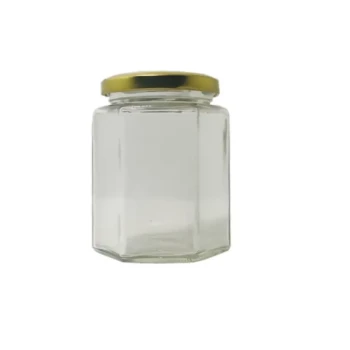
- Hexagonal Glass Honey Jars with Metal Lug Caps Elegant Versatile Packaging
- Professional Honey Storage Tank with Agitation System
People Also Ask
- What economic role do honey storage tanks play? Boost Your Revenue Through Strategic Inventory Management
- What roles do industrial honey storage tanks and filtration meshes play in processing? Ensure Purity & Consistency
- What is the purpose of a honey storage tank? Streamline Your Honey Processing for Quality & Efficiency
- What are honey storage tanks used for? Essential Features for Quality Preservation and Profit
- How do large honey storage tanks and gravity fall filling systems improve honey packaging efficiency and safety?