The use of clean trays and professional collection containers is a non-negotiable requirement to prevent environmental contamination and preserve the high medicinal value of stingless bee honey. Because this honey is highly bioactive and possesses a unique physicochemical profile, these tools ensure that the product remains free from pollutants, wax debris, and microbial activity. This rigorous hygiene protocol is the foundation for meeting international commercial standards and maintaining the premium market value required for global distribution.
Utilizing industrial-grade, food-grade equipment during non-destructive harvesting is the only way to safeguard the honey’s complex acidity and medicinal properties. This practice mitigates the inherent risks of fermentation and ensures a stable, high-quality supply chain for B2B stakeholders.
Safeguarding Physicochemical Integrity and Medicinal Value
Preventing Environmental and Biological Contamination
Stingless bee honey is prized for its high medicinal activity, making it extremely sensitive to external pollutants. Industrial-grade clean trays and professional containers act as a critical barrier during the extraction and transfer phases.
By eliminating contact with environmental contaminants, producers ensure the honey meets traditional medicinal standards and rigorous safety protocols. This cleanliness is vital for distributors who require consistent, laboratory-verified purity for their clients.
Managing High Moisture and Fermentation Risks
Unlike honey from Western bees, stingless bee honey has a water content often exceeding 20 percent. This high moisture level makes the product highly susceptible to rapid microbial fermentation if even minor contaminants are introduced.
Professional food-grade containers and sterile delivery tubes are essential to inhibit bacterial and fungal growth. Maintaining this sterile environment from the hive to the warehouse is what preserves the honey's unique flavor profile and bioactive components.
Efficiency and Scalability in Professional Sourcing
Non-Destructive Extraction for Continuous Supply
Professional suction-type honey extractors allow for the direct removal of honey from cerumen pots without destroying the hive structure. This precision ensures that the bee colony does not waste energy repairing the hive, leading to continuous and predictable productivity.
For wholesalers, this translates to a more reliable supply chain and faster order fulfillment. A non-destructive approach preserves the "production asset"—the bee colony—ensuring long-term sustainability for large-scale operations.
Integrated Filtration and Primary Processing
Specialized collection containers often feature integrated filtration systems that perform primary cleaning during the suction process. This immediate removal of bee bread and wax debris prevents impurities from degrading the honey’s clarity and taste.
By streamlining the transition from the field to final packaging, these professional tools reduce processing times. This efficiency is a hallmark of full-spectrum sourcing capabilities, allowing for rapid response to market demands.
Understanding the Trade-offs and Risks
Equipment Investment vs. Product Loss
While professional-grade hygienic equipment requires a higher initial capital investment compared to traditional methods, the risk of losing entire batches to fermentation is significantly reduced. Substandard containers can leach chemicals or fail to provide an airtight seal, resulting in a product that cannot pass export quality controls.
Manual vs. Negative Pressure Suction
Manual harvesting is labor-intensive and increases the risk of introducing human pathogens or hive debris into the honey. Negative pressure suction pumps offer a sterile alternative but require technical expertise to operate without harming the larvae or the delicate internal hive environment.
How to Apply This to Your Sourcing Strategy
Making the Right Choice for Your Goal
- If your primary focus is Premium Medicinal Branding: Prioritize suppliers who utilize sterile, physical-sterilization packaging bottles and closed-loop suction systems to guarantee the highest bioactive retention.
- If your primary focus is Supply Chain Reliability: Seek partners who employ non-destructive harvesting methods, as this ensures the bee colonies remain productive year-round with minimal downtime for hive repair.
- If your primary focus is Global Export Compliance: Ensure all collection and storage equipment is certified food-grade and that the supplier utilizes rapid dehydration or cold chain logistics to manage high moisture content.
Professional harvesting protocols are the bridge between a raw forest product and a high-value commercial asset that meets the exacting standards of the global market.
Summary Table:
| Key Equipment | Primary Function | Impact on Honey Quality | B2B Supply Chain Benefit |
|---|---|---|---|
| Clean Trays | Environmental barrier | Prevents pollutants & wax debris | Ensures laboratory-verified purity |
| Professional Containers | Sterile storage | Inhibits fermentation & microbial growth | Extends shelf life for global export |
| Suction Extractors | Non-destructive removal | Preserves bioactive medicinal profile | Continuous & predictable productivity |
| Integrated Filtration | Primary cleaning | Enhances clarity & flavor profile | Rapid response & faster fulfillment |
Scale Your Honey Business with HONESTBEE’s Professional Solutions
Are you looking to elevate your stingless bee honey production or distribution? HONESTBEE provides commercial apiaries and B2B wholesalers with a comprehensive, one-stop sourcing experience.
From high-precision suction-type honey extractors and honey-filling machines to food-grade containers and essential consumables, our full-spectrum product portfolio is designed for maximum efficiency and reliability. We offer:
- Deep Industry Expertise: Specialized hardware for non-destructive harvesting.
- Premium Trading Services: OEM/ODM support and global export compliance.
- Rapid Fulfillment: Ultra-fast delivery to keep your supply chain moving.
Contact HONESTBEE today to optimize your operations with professional-grade equipment and exceptional customer service!
References
- Taye Beyene, Zewdu Ararso Hora. Indigenous Knowledge, Habitat, and Nest Characterization of Stingless Bee (<i>Meliponula beccarii</i>) in West Arsi Zone of Oromia, Ethiopia. DOI: 10.1155/psyc/8045350
This article is also based on technical information from HonestBee Knowledge Base .
Related Products
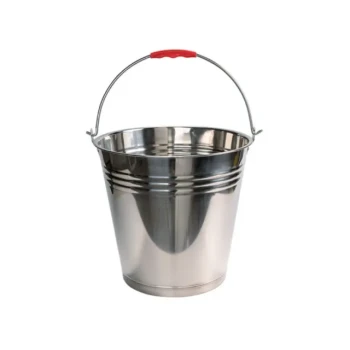
- Premium Stainless Steel Honey Tank Bucket Pail with Reinforced Handle and Polished Finish
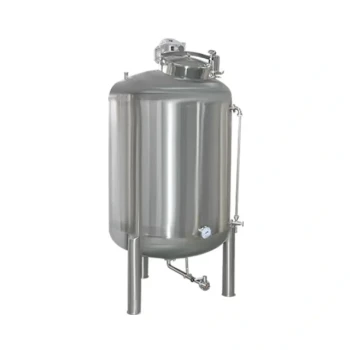
- Stainless Steel Honey Storage and Settling Tank with Double Strainer
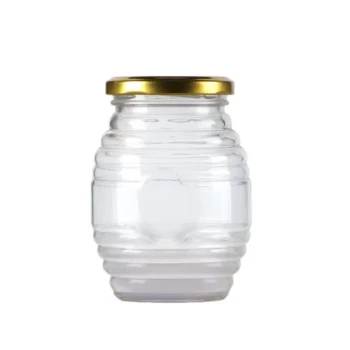
- Classic Glass Honey Jar with Metal Lug Cap for Beehive Storage
- All-Stainless Steel Pivoting Honey Uncapping Fork for Beekeeping
- Plastic Transporting Bee Packages and Nuc Boxes for Beekeeping
People Also Ask
- What is the best container for honey? Preserve Purity & Flavor with the Right Choice
- What honey container sizes are recommended for specific commercial use cases? Maximize Your Apiary Profits
- What is the best container to store honey in? Preserve Purity & Flavor for Years
- What container can I put honey in? Choose the Best for Purity & Practicality
- What should be considered when choosing a container for honey to ensure effective sealing? Master Honey Packaging Success