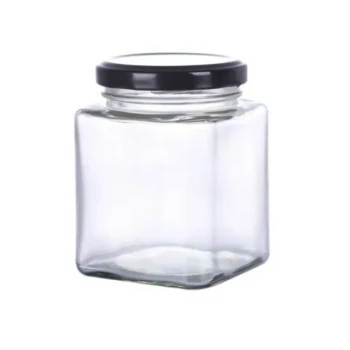
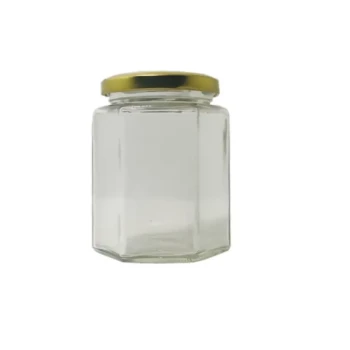
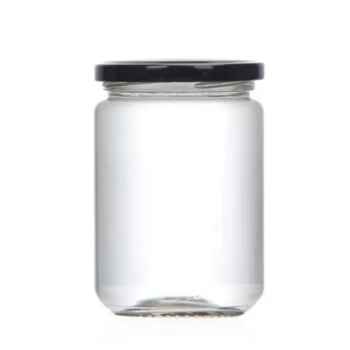
Selecting the right honey container size is strictly a function of your target market's intent and your desired profit structure. For gifting, wedding favors, and sampler packs, small jars ranging from 2 oz to 8 oz are the most effective choice. For standard retail shelves and farmers' markets, medium sizes like 12 oz or 1 lb (16 oz) are the industry norm. For commercial clients and repeat heavy users, large formats such as 2 lb, 5 lb, or quart containers are required to maximize volume.
While packaging aesthetics matter, container size dictates profit margins and customer retention. Small jars drive the highest price per ounce for one-time purchases, while large bulk containers secure long-term volume from loyal customers and commercial partners.
Optimizing Container Sizes for Market Channels
Small Formats: The High-Margin Strategy
Small containers, specifically 2 oz, 4 oz, and 8 oz jars, serve a distinct purpose in the honey market. These sizes are rarely purchased for daily pantry use.
Instead, they are optimized for gifting, wedding favors, and sampler packs. Because the customer views these as a novelty or a gift rather than a grocery staple, they are less price-sensitive regarding the volume. Consequently, these smaller units often yield the highest profit margin per ounce.
Medium Formats: The Retail Standard
The 12 oz and 16 oz (1 lb) jars represent the backbone of the commercial honey industry. These are the sizes consumers expect to see on grocery store shelves and at farmers' market stalls.
This size range strikes a critical balance. It offers enough product to be useful as a pantry staple while maintaining a balanced price point that does not deter the average shopper. This is the "safe" volume for new customer acquisition.
Large Formats: Volume and Loyalty
Large containers, such as 2 lb jars, 5 lb jugs, or quart sizes, are designed for a specific subset of buyers. These are your repeat customers who have already vetted your quality, as well as commercial clients like restaurants and bakeries.
The priority here is value and efficiency. These buyers are looking for a lower price per ounce and reduced packaging waste. By offering bulk sizes, you sacrifice margin per ounce to gain significant sales volume and customer loyalty.
Strategic Trade-offs and Considerations
Inventory Complexity vs. Market Reach
Offering every size increases operational friction. Stocking small, medium, and large containers requires managing three different supply chains for jars, lids, and labels.
You must weigh the benefit of reaching every market segment against the cost of holding diverse inventory. A streamlined operation might focus only on the 1 lb retail standard and one bulk option, skipping the high-labor small jars entirely.
Margin vs. Volume
Small jars offer high margins but require significantly more labor per ounce sold (filling, labeling, and capping). Large jars offer lower margins but move product quickly with minimal labor.
If your production capacity is limited, focusing on high-margin small jars generates more revenue for less honey. If you have a surplus of honey, large bulk containers are the most efficient way to clear inventory.
Matching Your Inventory to Your Business Model
To maximize your commercial success, map your container selection to your specific business goals.
- If your primary focus is high profit margins and gifting: Focus on 2 oz to 8 oz jars to command the highest price per ounce.
- If your primary focus is general retail and market visibility: Prioritize 12 oz or 1 lb jars to meet standard consumer expectations and price points.
- If your primary focus is moving volume or serving commercial clients: Stock 2 lb, 5 lb, or quart containers to appeal to value-conscious heavy users.
Aligning your container mix with customer intent is the single most effective way to stabilize revenue across different sales channels.
Summary Table:
| Use Case | Recommended Size | Target Audience | Strategic Benefit |
|---|---|---|---|
| Gifting & Samplers | 2 oz - 8 oz | Event planners, tourists | Highest profit margin per ounce |
| Retail & Markets | 12 oz - 16 oz (1 lb) | General consumers | Standard industry norm; easy acquisition |
| Bulk & Commercial | 2 lb - 5 lb / Quarts | Bakeries, repeat buyers | High volume movement & customer loyalty |
Scale Your Honey Business with HONESTBEE
At HONESTBEE, we understand that the right equipment is just as vital as the right packaging. Whether you are a commercial apiary looking to automate with honey-filling machines or a distributor sourcing wholesale beekeeping tools, we provide the full spectrum of hardware and consumables to grow your operation.
From specialized hive-making machinery to honey-themed cultural merchandise, our portfolio is designed to enhance your efficiency and market reach. Ready to optimize your production? Contact us today to discuss our comprehensive wholesale offerings and tailored equipment solutions.
Related Products
- Classic Honey Bear Jars with Flip Top Dispensing Cap for Liquid Sweeteners
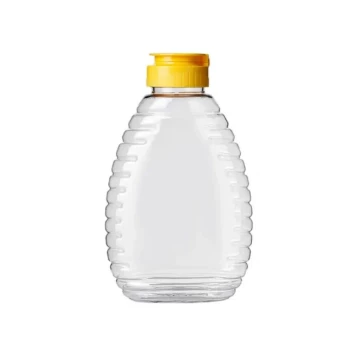
- Squeezable No-Drip Beehive-Shaped Honey Jars with Flip-Top Cap
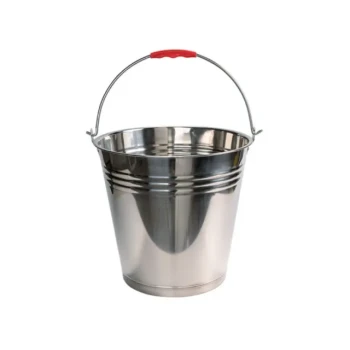
- Premium Stainless Steel Honey Tank Bucket Pail with Reinforced Handle and Polished Finish
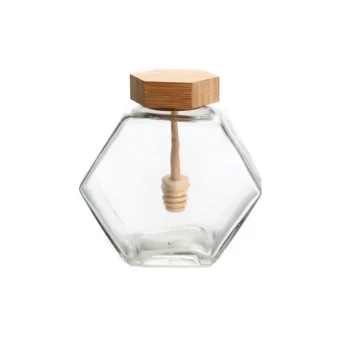
- Hexagonal Glass Honey Jar with Wooden Lid Integrated Dipper Elegant Functional Storage
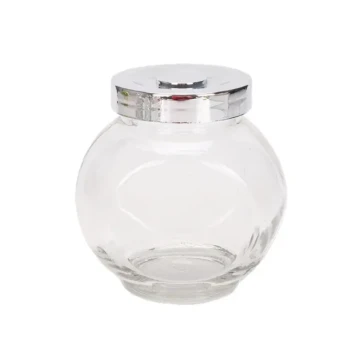
- Classic Drum Shaped Glass Honey Jar with Airtight Lid
People Also Ask
- What food safety standards must honey containers meet? Expert Guide to Packaging Integrity & Hygiene
- Why is it important to distinguish between weight and volume when selecting honey containers? Maximize Profits Now
- What are the benefits of purchasing honey containers in bulk? Maximize Margins & Secure Your Supply Chain
- What should be considered when choosing a container for honey to ensure effective sealing? Master Honey Packaging Success
- What is the best container to store honey in? Preserve Purity & Flavor for Years