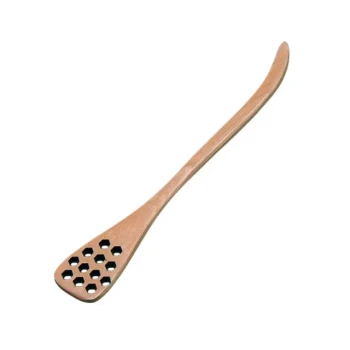
The primary necessity for using disposable wooden sampling sticks is to ensure absolute sampling purity by strictly preventing cross-contamination between different honeybee colonies or sampling dates. In the context of ultra-sensitive pesticide residue testing, using a fresh, independent tool for every single data point is the only way to guarantee that chemical interference does not compromise the accuracy of beekeeping exposome data.
Core Takeaway Beebread analysis frequently involves detecting minute traces of pesticides and environmental chemicals. The use of disposable wooden sticks is a protocol designed to eliminate carry-over effects, ensuring that the chemical profile of one sample does not artificially inflate or alter the results of another.
The Critical Role of Sampling Purity
Preventing Chemical Interference
When conducting research on the "beekeeping exposome"—the measure of all environmental exposures a colony faces—precision is paramount.
Beebread serves as a reservoir for these environmental inputs, including pollen, nectar, and potential contaminants like pesticides.
Using a reusable tool creates a risk of chemical residue interference. Even with cleaning, minute traces from a previous sample can remain, leading to false positives or skewed concentration data.
The "One Point, One Tool" Protocol
To maintain data integrity, researchers must treat every sampling point as a distinct, isolated event.
The primary reference dictates the use of an independent sampling tool for each point.
Disposable wooden sticks are ideal for this because they are cost-effective to discard after a single use. This "single-use" nature physically removes the variable of cleaning efficacy from the scientific equation.
Addressing Cross-Contamination Risks
Cross-contamination can occur in two vectors:
- Between Colonies: Transferring pathogens or chemicals from a treated hive to an untreated hive.
- Between Dates: Transferring old residues to new samples, confusing the timeline of exposure.
By discarding the stick immediately after extraction, you sever the link between these variables, ensuring the data reflects only the specific conditions of that exact moment and location.
Understanding the Trade-offs
While disposable wooden sticks are superior for chemical purity in pesticide testing, they are not the only tool available, and they have limitations compared to other methods mentioned in the field.
Physical Precision vs. Chemical Purity
Supplementary data suggests that plastic sampling straws offer more precise depth control and minimize disruption to the colony structure.
Wooden sticks, by contrast, may be more invasive or less precise regarding the exact depth of extraction compared to a calibrated straw.
Sterility vs. Residue
If your goal is analyzing microbial communities (bacteria and fungi in fermented beebread) rather than pesticides, supplementary protocols suggest using strictly sterilized sampling spatulas.
While wooden sticks can be sterilized, metal or high-grade plastic tools are often preferred for microbiological assays to ensure aseptic conditions, whereas wood is preferred for chemical assays to prevent chemical carry-over.
Making the Right Choice for Your Goal
Your choice of tool should be dictated by the specific "deep need" of your research project.
- If your primary focus is Chemical/Pesticide Analysis: Use disposable wooden sticks to guarantee independent sampling points and zero chemical cross-contamination.
- If your primary focus is Microbial Ecology: Prioritize sterilized spatulas or tools that can be autoclaved to maintain aseptic conditions for the active microbial communities.
- If your primary focus is Colony Health & Structure: Consider specialized plastic straws, which allow for precise extraction depths while minimizing physical damage to the honeycomb cells.
Select the tool that isolates the specific variable you are measuring—be it chemical, biological, or structural.
Summary Table:
| Feature | Disposable Wooden Sticks | Plastic Sampling Straws | Sterilized Metal Spatulas |
|---|---|---|---|
| Primary Use | Pesticide & Chemical Analysis | Depth-Specific Extraction | Microbial & DNA Analysis |
| Contamination Risk | Lowest (Single-use) | Moderate | Low (if autoclaved) |
| Precision | Basic | High (Depth control) | High (Volume control) |
| Cost-Effectiveness | High (Bulk wholesale) | Medium | Low (Requires cleaning) |
| Sterility Type | Chemical Purity | Structural Integrity | Biological Asepsis |
Optimize Your Apiary Operations with HONESTBEE
Maintaining data integrity in your beekeeping research requires the right tools. At HONESTBEE, we specialize in supporting commercial apiaries and distributors with a comprehensive range of high-quality beekeeping equipment—from precision sampling consumables to industrial hive-making and honey-filling machinery.
Whether you are looking to scale your production or ensure the highest standards in hive health monitoring, our wholesale solutions are designed to deliver value and efficiency. Contact us today to discuss your bulk equipment needs and see how our expertise can strengthen your beekeeping business.
References
- Kirsten S. Traynor, Dennis vanEngelsdorp. In-hive Pesticide Exposome: Assessing risks to migratory honey bees from in-hive pesticide contamination in the Eastern United States. DOI: 10.1038/srep33207
This article is also based on technical information from HonestBee Knowledge Base .
Related Products
People Also Ask
- What is the proper method for cleaning a honey dipper? Maintain Pure Flavor with These Easy Pro Tips
- What is a honey dipper and what is it used for? A Guide to Mess-Free Drizzling
- What is a honey dipper? Master the Art of the Perfect Drizzle with This Essential Tool
- What is a honey taking spoon called? Discover the Tool for a Perfect, Mess-Free Drizzle
- How do you clean and store a honey dipper? Simple Steps for Long-Lasting Performance