The use of glass containers is critical for heavy metal analysis because glass offers superior chemical inertness, preventing the leaching of additives or impurities often found in plastic packaging. This ensures that the detection results accurately reflect the honey's original mineral levels without interference from the container itself.
By acting as a chemically neutral barrier, glass eliminates the risk of "container-induced" contamination, ensuring that any heavy metals detected originate exclusively from the honey and not the packaging material.
Preserving Chemical Purity
Eliminating the Risk of Leaching
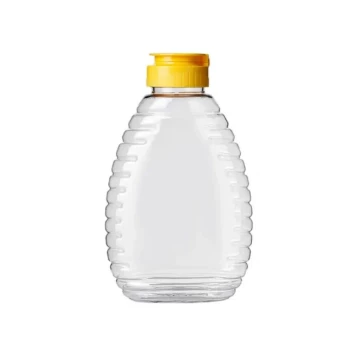
The primary danger in using plastic containers for this specific type of analysis is leaching. Plastics often contain chemical additives and trace heavy metal impurities introduced during manufacturing.
When honey is stored in plastic, these impurities can migrate from the container walls into the sample. Glass is chemically inert, meaning it does not interact with the sample or release foreign substances. This guarantees that the analytical baseline remains pure.
Stability Against Natural Acids
Honey naturally contains organic acids. While generally mild, these acids can react with certain unstable container materials over time.
Glass is highly resistant to acidic corrosion. It ensures that the physical-chemical properties of the honey remain unchanged throughout the storage period leading up to the analysis.
Protecting Against Environmental Variables
The Barrier Against Volatile Pollutants
Beyond the container itself, the external environment poses a threat to sample accuracy. Glass provides superior sealing properties compared to most porous plastics.
This impermeability prevents volatile pollutants present in the laboratory or storage environment from penetrating the container and contaminating the honey.
Humidity Control and Concentration Accuracy
Honey is hygroscopic, meaning it readily absorbs moisture from the air. Significant changes in water content can alter the concentration of minerals in the sample.
Glass containers provide a hermetic seal that effectively blocks external humidity. This preserves the sample's original volume and consistency, ensuring that the concentration of heavy metals measured represents the honey's state at the time of collection.
Understanding the Trade-offs
Fragility and Logistics
While glass is scientifically superior for chemical analysis, it presents logistical challenges. Glass is significantly heavier than plastic, increasing shipping costs and handling fatigue.
Furthermore, glass is fragile. The risk of breakage during transport requires robust protective packaging, which can complicate the sampling workflow compared to durable plastic alternatives.
Cost Considerations
High-quality, laboratory-grade glass containers are generally more expensive to manufacture and purchase than disposable plastic vials. However, in the context of heavy metal detection, this cost is a necessary investment in data validity.
Making the Right Choice for Your Project
When preparing for laboratory analysis, the choice of container dictates the reliability of your data.
- If your primary focus is heavy metal quantification: You must use sealed glass containers to prevent leaching and ensure the reported levels are chemically accurate.
- If your primary focus is rough field transport: You may consider temporary plastic housing for hive frames to prevent breakage, provided samples are transferred or the plastic is certified metal-free.
Ultimately, the integrity of your analytical results is only as strong as the inertness of your storage vessel.
Summary Table:
| Feature | Glass Containers | Plastic Containers |
|---|---|---|
| Chemical Inertness | High (No leaching) | Low (Possible additive migration) |
| Acid Resistance | High (Resists honey acids) | Variable (Potential reaction) |
| Barrier Properties | Impermeable to pollutants | Porous to some volatiles |
| Moisture Control | Excellent hermetic seal | Moderate protection |
| Durability | Fragile / Breakable | High impact resistance |
| Data Integrity | Superior (Scientifically preferred) | Risky for trace analysis |
Secure Your Honey Quality with HONESTBEE
At HONESTBEE, we understand that for commercial apiaries and distributors, precision is everything. Whether you are conducting rigorous heavy metal analysis or scaling your honey production, our professional-grade equipment ensures your product meets the highest industry standards.
We provide a comprehensive wholesale range including:
- Advanced Machinery: Honey-filling and hive-making machines for efficient processing.
- Beekeeping Essentials: A full spectrum of tools, specialized hardware, and industry consumables.
- Brand Support: Unique honey-themed cultural merchandise to elevate your retail presence.
Don't let subpar equipment compromise your data or your product's purity. Partner with a supplier that understands the science behind the honey. Contact HONESTBEE today to discuss how we can support your apiary’s growth and operational excellence!
References
- Selma Kunić. THE CONTENT OF HEAVY METALS IN HONEY AS INDICATORS OF POLLUTANTS. DOI: 10.51558/2232-7568.2023.17.1.3
This article is also based on technical information from HonestBee Knowledge Base .
Related Products
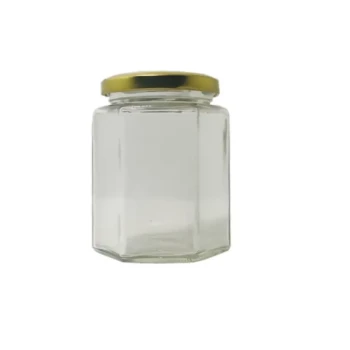
- Hexagonal Glass Honey Jars with Metal Lug Caps Elegant Versatile Packaging
- Modern Square Glass Honey Jar with Twist Off Lid
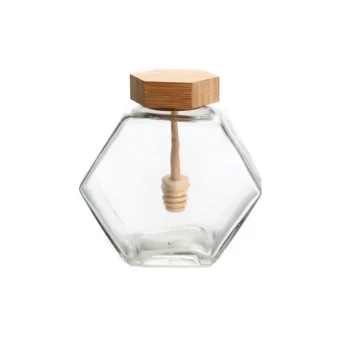
- Hexagonal Glass Honey Jar with Wooden Lid Integrated Dipper Elegant Functional Storage
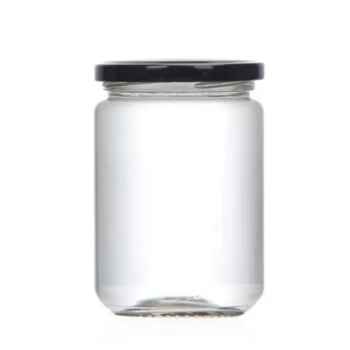
- Classic Round Glass Honey Jar with Lid
- Classic Drum Shaped Glass Honey Jar with Airtight Lid
People Also Ask
- What is the aesthetic appeal of using glass jars for honey? Elevate Your Brand with Premium Packaging
- What are the logistical challenges associated with using glass jars for honey packaging? Navigating Weight & Fragility
- What are the advantages of glass containers for honey? Elevate Quality and Market Value with Premium Packaging
- What are the technical advantages of using glass jars for honey? Master Commercial Packaging for Premium Purity
- What are the advantages of using glass jars for honey packaging? Preserve Purity & Elevate Your Brand