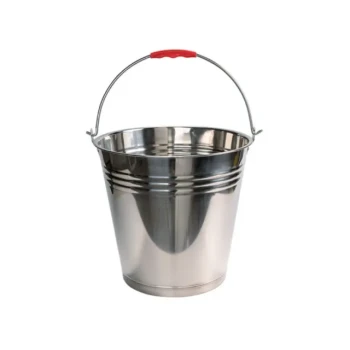
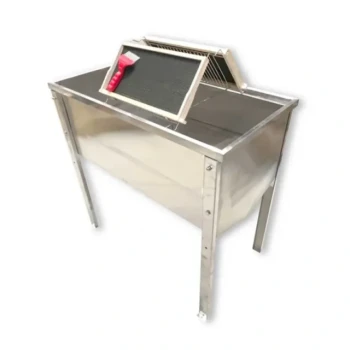
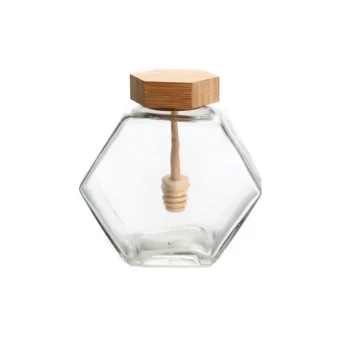
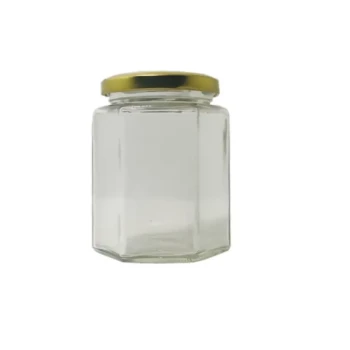
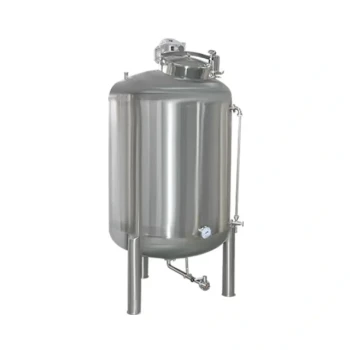
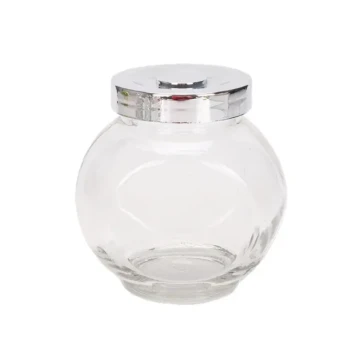
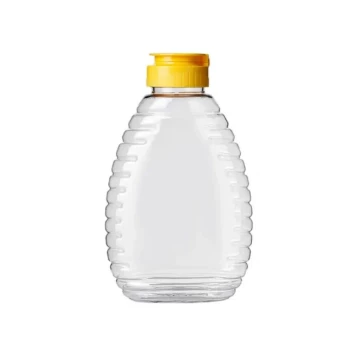
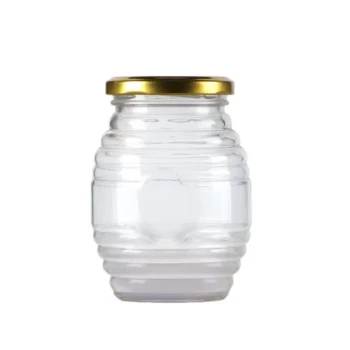
The use of high-standard food-grade containers, such as HDPE or stainless steel, is a non-negotiable requirement for preserving honey's chemical integrity and marketability. These materials provide a chemically inert barrier that prevents heavy metal contamination, seals out atmospheric moisture to stop fermentation, and maintains the critical enzyme values required for international export standards.
Core Insight: Honey is not a static product; it is a biologically active, slightly acidic, and hygroscopic substance. High-grade containers are the only defense against the inevitable chemical reactions—such as oxidation, metal leaching, and fermentation—that occur when honey meets improper storage environments.
The Chemistry of Container Interaction
The primary reason for selecting specific materials like High-Density Polyethylene (HDPE) or stainless steel is honey's inherent chemical nature. You are not just storing a liquid; you are containing a reactive substance.
Chemical Inertia and Acidity
Honey possesses weak acidity, which makes it corrosive to standard metals. Low-quality containers, such as standard iron drums, will react with the honey over time. High-grade materials are chemically inert, meaning they do not react with these acidic components, ensuring the honey's purity remains unaltered.
Preventing Heavy Metal Migration
Improper storage vessels are a primary source of heavy metal contamination. Corrosion in lower-quality containers allows toxic substances and rust to migrate directly into the food product. Using food-grade stainless steel effectively eliminates this risk, meeting strict physicochemical safety indicators.
Elimination of Off-Odors
Honey easily absorbs external scents and flavors. Non-food-grade plastics or corroding metals often release volatile compounds that ruin the honey's natural sensory profile. Specialized food-grade vessels are designed to be odorless, preserving the natural flavor and aroma essential for consumer acceptance.
Managing Environmental Threats
Beyond the material itself, the vessel's ability to isolate the honey from the outside world is critical. This is primarily a function of sealing capabilities found in professional-grade equipment.
Combatting Hygroscopicity
Honey is highly hygroscopic, meaning it actively absorbs moisture from the surrounding air. If the container does not provide a hermetic seal against humidity, the water content in the honey will rise. Excess moisture inevitably leads to fermentation and spoilage, rendering the batch commercially worthless.
Preserving Bio-Active Compounds
Honey contains fragile components like enzymes, polyphenols, and flavonoids. These antioxidants are sensitive to oxidation and external impurities. High-sealing sampling containers maintain the biochemical stability of these markers, ensuring the honey passes rigorous antioxidant and enzyme value testing.
The Hygienic Barrier
Professional extraction and storage equipment act as a total barrier against physical contaminants. This isolation prevents contact with soil, airborne microorganisms, and rubber or plastic debris. Maintaining this barrier is essential for ensuring the reliability of subsequent physical and chemical analysis data.
Common Pitfalls and Operational Trade-offs
While high-grade containers are superior, they require specific operational considerations to function correctly. Understanding these trade-offs is vital for long-term facility management.
Maintenance for Organic Certification
High-grade stainless steel (AISI 304 or 316L) is compatible with Cleaning-In-Place (CIP) systems. While this enables total cleanliness, it requires a robust cleaning infrastructure to prevent cross-contamination. Failure to maintain these cleaning protocols can jeopardize organic certifications, regardless of the container quality.
The Cost of Compliance
investing in food-grade materials is significantly more expensive than using standard industrial drums. However, this cost must be weighed against the risk of rejected shipments due to heavy metal detection or fermentation. Cheaper alternatives act as a "false economy" by introducing compliance risks that block access to trade markets.
Making the Right Choice for Your Goal
Selecting the right storage solution depends on your specific position in the supply chain and your quality targets.
- If your primary focus is International Export: Prioritize HDPE or stainless steel containers with certified sealing capabilities to ensure enzyme values and color metrics meet strict global safety standards.
- If your primary focus is Organic Production: Invest in AISI 304 or 316L stainless steel tanks that support CIP systems to guarantee the absolute cleanliness required for organic inspection and certification.
- If your primary focus is Long-Term Bulk Storage: Ensure your vessels are hermetically sealed to prevent moisture absorption, as this is the only way to stop fermentation and preserve the honey's medicinal value over time.
Ultimately, the container is not just a package; it is a critical preservation system that defines the shelf-life and value of your product.
Summary Table:
| Feature | HDPE / Stainless Steel (Food-Grade) | Low-Quality Iron / Industrial Plastic |
|---|---|---|
| Chemical Stability | Inert; non-reactive with acidic honey | Corrosive; reacts with honey acidity |
| Heavy Metals | Zero risk of migration/leaching | High risk of rust and metal contamination |
| Sealing Ability | Hermetic; blocks moisture & air | Poor; leads to moisture gain & fermentation |
| Flavor Integrity | Odorless; preserves natural aroma | Potential for plastic/metallic off-odors |
| Compliance | Meets international export standards | Frequent cause of rejected shipments |
Secure Your Honey’s Market Value with HONESTBEE
Don’t let inferior storage compromise your harvest. HONESTBEE provides professional-grade beekeeping tools, hive-making machinery, and bulk storage solutions specifically designed for commercial apiaries and distributors. From honey-filling machines to high-standard consumables, our equipment ensures your product meets strict international export and organic standards.
Ready to upgrade your storage and scale your business? Contact HONESTBEE Today for Wholesale Solutions
References
- Jesús Froylán Martínez-Puc, Basu Saikat-Kumar. Caracterización de la actividad apícola en los principales municipios productores de miel en Campeche, México. DOI: 10.36610/j.jsaas.2018.050100044
This article is also based on technical information from HonestBee Knowledge Base .
Related Products
- Stainless Steel Honey Storage Tank with Lid for Honey
- Stainless Steel Honey Storage and Settling Tank with Double Strainer
- Premium Stainless Steel Honey Tank Bucket Pail with Reinforced Handle and Polished Finish
- Stainless Steel Honey Tank Stand for Honey Storage
- Heavy Duty Stainless Steel Honey Processing Machine Decrystallizing Tank
People Also Ask
- What economic role do honey storage tanks play? Boost Your Revenue Through Strategic Inventory Management
- What roles do industrial honey storage tanks and filtration meshes play in processing? Ensure Purity & Consistency
- What is the purpose of a honey storage tank? Streamline Your Honey Processing for Quality & Efficiency
- What are honey storage tanks used for? Essential Features for Quality Preservation and Profit
- How do large honey storage tanks and gravity fall filling systems improve honey packaging efficiency and safety?