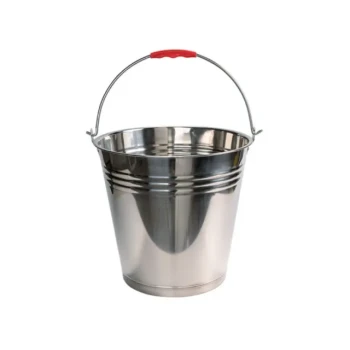
Professional industrial filling equipment is the fundamental barrier against contamination in the processing of stingless bee honey. Unlike manual methods, which often rely on risky, non-professional containers like recycled medicine bottles or metal cans, industrial machinery ensures a sterile environment. This automation provides the dosage precision and aseptic conditions necessary to secure the product's safety, particularly for honey intended for medical or therapeutic applications.
The Core Reality Stingless bee honey is biologically active and highly volatile; treating it like standard commodities during packaging leads to spoilage and safety risks. Professional equipment effectively transitions this product from a raw agricultural material into a stable, high-value consumer good by strictly controlling hygiene and sealing integrity.
Eliminating Contamination Risks
The primary justification for industrial equipment is the absolute necessity of maintaining a sterile chain of custody.
Removing Secondary Contamination
Manual bottling frequently introduces pathogens through the use of improper vessels, such as recycled glass or metal containers. Professional equipment eliminates this variable by integrating standardized, hygienic containers into the workflow.
Minimizing Human Contact
Human interaction is the largest vector for microbial invasion in food processing. Automated filling systems isolate the honey from operators, ensuring that the product remains untouched from the storage tank to the final sealed bottle.
Meeting Medical Standards
Because stingless bee honey is often marketed for its medicinal properties, it must meet higher safety thresholds than standard table sweeteners. Industrial-grade sterility ensures the product is safe for vulnerable consumers who rely on its therapeutic benefits.
Managing Unique Product Characteristics
Stingless bee honey possesses physical and chemical properties that make manual handling particularly hazardous to product quality.
Handling High Moisture Content
This honey variety naturally has a higher water content, making it highly susceptible to fermentation and souring. Specialized equipment often includes temperature control and high-integrity sealing technology to prevent ambient moisture ingress and stabilize the liquid.
Precision for Low-Yield Harvests
Stingless bees produce significantly less honey than Apis mellifera (standard honeybees), making every drop valuable. High-precision quantitative packaging eliminates the over-filling or spillage common in manual labor, maximizing the return on a low-yield crop.
Addressing Viscosity Issues
The unique viscosity of stingless bee honey can lead to inconsistent fill levels when done by hand. Industrial machinery uses specific pressure and flow controls to ensure every unit is filled to the exact net weight required by regulations.
Strategic Market Advantages
Beyond biology and safety, professional equipment is the key to entering profitable commercial markets.
Standardization for Logistics
Retailers and distributors require uniform product units for efficient inventory management and display. Automated machinery produces consistent packages that are easy to stack, transport, and inventory, solving the logistical headaches caused by irregular manual packaging.
Building Brand Trust
In markets saturated with counterfeit or diluted products, high-quality packaging signals authenticity. Professional labeling systems allow producers to clearly display certifications (e.g., Halal, Organic) and origin data, which helps justify a premium price point.
Transforming Raw Material to Retail Goods
Without professional packaging, honey is often relegated to being sold as a low-cost raw material. Advanced filling and packaging equipment allow producers to capture more value by creating a finished, shelf-ready retail product that competes in high-end international markets.
Understanding the Trade-offs
While essential for growth, moving to industrial equipment introduces new challenges that must be managed.
Capital and Maintenance Costs
The initial investment for high-precision filling and sealing machinery is significant. Furthermore, these machines require regular, skilled maintenance to ensure the "dosage precision" and "aseptic environment" claims remain true over time.
Complexity of Operation
Transitioning from manual to automated systems requires a shift in workforce skills. Operators must be trained not just in filling, but in equipment calibration and sanitation protocols to prevent the machinery itself from becoming a contamination source.
Making the Right Choice for Your Goal
The specific type of equipment you prioritize should depend on your immediate business objective.
- If your primary focus is Medical/Therapeutic Sales: Prioritize equipment with aseptic filling capabilities and high-specification sealing to guarantee the sterility required for health supplements.
- If your primary focus is Export and Global Trade: Prioritize machinery that ensures precise weight compliance and standardized physical dimensions to meet international shipping and retail display regulations.
- If your primary focus is Brand Premium: Invest in systems that offer high-quality labeling and unique packaging formats to differentiate your product from "raw material" commodities.
Investing in professional filling equipment is not merely a logistical upgrade; it is the critical step that legitimizes stingless bee honey as a safe, consistent, and globally viable commercial product.
Summary Table:
| Key Requirement | Manual Filling Risks | Industrial Equipment Benefits |
|---|---|---|
| Hygiene & Safety | High risk of microbial contamination | Aseptic environment & zero human contact |
| Dosage Precision | Inconsistent fill levels & product waste | High-precision quantitative filling |
| Product Stability | Susceptible to fermentation/spoilage | High-integrity sealing & moisture control |
| Market Readiness | Irregular packaging, low brand trust | Standardized, retail-ready premium products |
| Compliance | Difficult to meet medical standards | Meets strict therapeutic & export regulations |
Elevate Your Honey Production with HONESTBEE
Transitioning from raw agricultural material to a high-value retail product requires more than just honey—it requires precision. At HONESTBEE, we specialize in empowering commercial apiaries and distributors with the professional tools needed to dominate the market.
From aseptic honey-filling machines designed for delicate stingless bee honey to comprehensive beekeeping equipment and hive-making machinery, we provide the full spectrum of hardware and consumables to scale your operations.
Ready to secure your product's integrity and boost your brand's market value?
Contact HONESTBEE Today to explore our wholesale solutions and find the perfect equipment for your apiary's growth.
References
- J. Kiprono Sabella, Sammy Kimoloi. Therapeutic uses of stingless bee honey by traditional medicine practitioners in Baringo County, Kenya. DOI: 10.5897/jpp2022.0618
This article is also based on technical information from HonestBee Knowledge Base .
Related Products
- Precision Durable Efficient HONESTBEE Rotary Honey Filling Machine
- Automatic Honey Filling and Filtering Machine for Beekeeping Bottle Filling
- Fully Automatic Honey Filling Packaging Machine for Processing Line
- Double Nozzle Small Honey Filling Machine Honey Sachet Packing Packaging Equipment
- Small Honey Filling Machine Sachet Packing Equipment Single Nozzle
People Also Ask
- How do honey filling and processing machines aid native bee product conservation? Boost Value with HONESTBEE Technology
- What quality control role does professional honey filling equipment perform? Ensure Consistency and Product Stability
- How do high-precision honey filling machines ensure quality? Optimize Your Commercial Production with HONESTBEE
- What is a key feature of the new generation of the honey filling machine? The Advanced Electronic Control Unit
- What are the common types of bottling machines used for honey? Choosing the Right Solution for Your Apiary