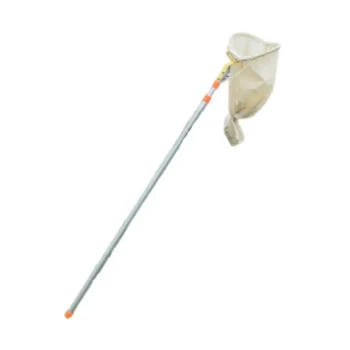
Professional swarming and isolation equipment functions as a mandatory biosecurity checkpoint during the delicate processes of colony merging or expansion. These tools provide a physical barrier that restricts bee movement, allowing beekeepers to conduct rigorous health audits and apply concentrated miticides to purify the colony before full integration occurs. This "quarantine" step is the only effective way to ensure that introduced bees do not carry pathogens into a healthy target environment.
The primary value of this equipment is not just logistical control, but disease prevention. It enables a "quarantine and purify" protocol that prevents introduced colonies from triggering large-scale mite dispersal throughout an otherwise healthy apiary.
The Biosecurity Function of Isolation
Creating a Controlled Quarantine Zone
During a merger, immediate contact between colonies poses significant biological risks. Professional isolation boards serve as temporary physical walls within the hive structure.
This separation restricts the movement of the introduced bees, keeping them contained in a specific zone. It converts the hive into a dual-chamber system where the new population can be assessed without immediately mingling with the resident colony.
Enabling Concentrated Purification
Once the bees are restricted by isolation equipment, beekeepers can perform targeted health interventions. This confinement is critical for the effective use of miticide consumables.
By concentrating the colony in a smaller space, the purification process becomes more efficient and potent. This ensures that the bees are stripped of parasitic threats, such as Varroa mites, before the isolation board is removed and the colonies merge.
Managing Colony Expansion Risks
Securing the Splitting Process
When expanding an apiary through splitting or swarming, professional tools are equally vital. While queen rearing kits focus on genetic multiplication, swarming tools manage the physical movement of the workforce.
Using these tools during a split allows for the same health auditing standards used in merging. It ensures that the "daughter" colony is clean and healthy before it is established as an independent unit or moved to a new location.
Preventing Apiary-Wide Dispersal
The greatest danger in beekeeping management is the unintentional spread of pests. Without isolation barriers, a single infested colony can rapidly infect an entire commercial network.
Professional equipment acts as a breakwater, stopping the flow of mites during high-traffic operations. This protects the ecological and commercial value of the apiary by ensuring that only healthy, purified bees are allowed to circulate.
Understanding the Trade-offs
Increased Management Intensity
Implementing isolation and purification protocols requires more time and active management than direct merging. Beekeepers must monitor the equipment and time the release of the bees accurately.
Short-Term Disruption
Restricting bee movement, even temporarily, interrupts natural foraging and hive behaviors. It is essential to minimize the duration of isolation to the exact time required for the health audit and miticide application to avoid stressing the colony.
Making the Right Choice for Your Goal
To maximize the health and yield of your apiary, apply these principles based on your current operational focus:
- If your primary focus is Merging Colonies: Prioritize the use of isolation boards to create a "purification airlock," ensuring zero mite transfer to the stronger target colony.
- If your primary focus is Expansion/Splitting: Use professional swarming tools to audit the health of the new split immediately, preventing the propagation of disease into your new hive stock.
Biosecurity is not an optional add-on; it is the operational foundation that preserves your colony's genetic and commercial value.
Summary Table:
| Feature | Purpose | Impact on Hive Health |
|---|---|---|
| Isolation Boards | Physical barrier & quarantine zone | Prevents immediate pathogen transmission during merging. |
| Swarming Tools | Controlled workforce movement | Ensures 'daughter' colonies are clean before independent establishment. |
| Concentrated Purification | Targeted miticide application | Increases efficiency of parasite removal within a restricted space. |
| Health Auditing | Rigorous colony inspection | Prevents apiary-wide dispersal of Varroa mites and diseases. |
Elevate Your Commercial Beekeeping Standards with HONESTBEE
Protecting your apiary’s genetic and commercial value requires more than just tools—it requires a robust biosecurity strategy. HONESTBEE specializes in supporting commercial apiaries and distributors with high-performance equipment designed for scale and precision. From professional isolation boards and swarm management tools to industrial-grade honey-filling and hive-making machinery, we provide the full spectrum of hardware and consumables needed to thrive in the modern beekeeping industry.
Partner with HONESTBEE to secure your operations and maximize yields.
Contact Us Today to Discuss Wholesale Solutions
References
- هديل كريم راضي. التحليل الجغرافي لانتشار طفيل الفاروا في النحل العسل في قضاء الحسينية في محافظة كربلاء. DOI: 10.56989/benkj.v3i9.660
This article is also based on technical information from HonestBee Knowledge Base .
Related Products
- HONESTBEE Professional Telescopic Pole Bee Swarm Catcher
- HONESTBEE Collapsible Tiered Bee Swarm Catcher for Beekeeping
- Professional 600D Oxford Cloth Beekeeping Tool Bag with 8 Pockets and Elastic Loops
- Stainless Steel Honey Bee Smoker Hive and Honeycomb Smoker for Beekeeping
- All-Stainless Steel Pivoting Honey Uncapping Fork for Beekeeping
People Also Ask
- What should be done if the swarm is situated on the bottom of a tree limb? A Guide to Methodical Bee Capture
- What role do swarm catchers play in maintaining the production scale of an apiary? Turn Colony Loss into Growth.
- What information should be gathered before attempting to catch a swarm of bees? A Safe and Successful Guide
- What precautions can be taken to prevent a newly captured swarm from absconding? Secure Your Swarm with Proven Methods
- What role does a Swarm Catcher play in the process of expanding apiary colony scale? Optimize Growth & Reduce Costs