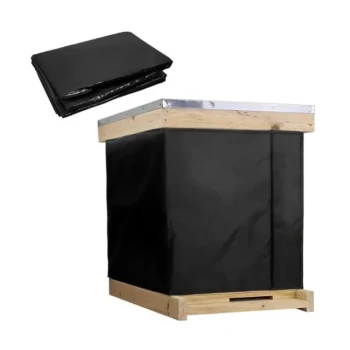
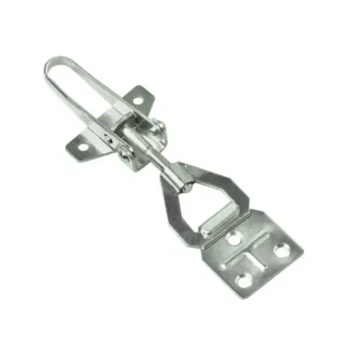
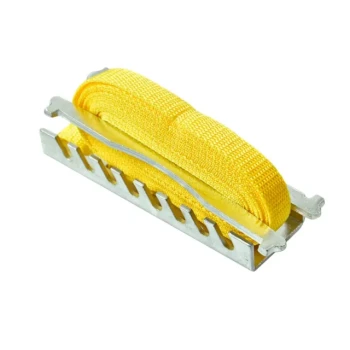
Thermal insulation is the primary defense against internal condensation, which is often more lethal to bees than the cold itself. During winter, the warm air generated by the bee cluster rises and hits the top of the hive. If that surface is cold due to a lack of insulation, the moisture in the air condenses into water droplets that drip back onto the bees, leading to rapid heat loss and colony mortality.
While retaining heat is important, the defining function of winter insulation is controlling the "dew point" within the hive. By keeping the inner surfaces warm, you prevent moisture from condensing directly above the cluster, ensuring the bees stay dry enough to survive.
The Mechanics of Moisture Management
The Condensation Trap
Bees generate heat and moisture as they consume honey to stay warm. Warm, moist air rises naturally to the top of the hive.
Without insulation, the inner cover and lid become extremely cold in winter temperatures. When the rising warm air contacts this freezing surface, it immediately undergoes a phase change into liquid water.
Why Dripping is Fatal
Bees can survive extreme cold if they remain dry, but they cannot survive being wet and cold.
When condensation drips from the lid onto the cluster, it chills the bees faster than they can generate heat. This wet environment destroys their ability to thermoregulate, leading to inevitable colony death.
Preventing the Phase Change
Proper insulation, such as layers placed between the inner cover and the lid, acts as a thermal break.
This keeps the interior surface temperature above the dew point. Consequently, the moisture remains a vapor and can be vented out of the hive rather than raining down on the colony.
Energy Conservation and Colony Health
Reducing Metabolic Burden
Beyond moisture control, insulation plays a secondary but vital role in energy efficiency.
Bees must maintain a nest temperature between 24 and 34 degrees Celsius. In uninsulated hives, the colony loses heat rapidly, forcing bees to consume significantly more honey reserves to generate replacement heat.
Preserving Critical Reserves
High-quality hive hardware with superior insulation reduces this rate of heat loss.
By stabilizing the internal temperature, the colony lowers its metabolic rate. This ensures their limited winter food stores last until spring, preventing starvation.
Stabilizing the Microclimate
External temperatures can fluctuate drastically during winter months.
Insulation buffers the colony against these spikes and drops, maintaining a stable internal microenvironment. This stability allows the cluster to move and access food stores without breaking formation due to sudden cold snaps.
Understanding the Trade-offs
Insulation is Not Ventilation
While insulation keeps surfaces warm, it does not remove the moisture itself.
You must still ensure adequate ventilation or use moisture-absorbing equipment, such as moisture boards. Relying solely on thermal wrapping without allowing for airflow can trap stagnant, damp air, which promotes mold growth.
The Risk of Over-Confidence
Insulation aids survival, but it is not a heat source.
A small or weak cluster may not generate enough initial heat to benefit from insulation. Thermal props cannot save a colony that is too sick or too small to produce its own baseline warmth.
Making the Right Choice for Your Goal
To secure your colony for winter, prioritize your setup based on these objectives:
- If your primary focus is preventing immediate colony loss: Prioritize top insulation above the inner cover to ensure the ceiling remains warm and condensation never drips on the bees.
- If your primary focus is resource efficiency: Wrap the hive bodies with insulation to reduce heat loss, lowering the bees' metabolic rate and preserving honey stores for spring buildup.
By keeping the hive dry and thermally stable, you transform the winter from a struggle for survival into a period of manageable dormancy.
Summary Table:
| Feature | Primary Function | Impact on Colony Survival |
|---|---|---|
| Top Insulation | Prevents dew point condensation | Stops lethal cold water from dripping on the cluster |
| Wall Wrapping | Reduces metabolic heat loss | Conserves honey stores and prevents winter starvation |
| Moisture Management | Vapor phase control | Keeps bees dry and enables effective thermoregulation |
| Thermal Stability | Buffers temperature spikes | Allows bees to move and access food during cold snaps |
Secure Your Apiary’s Future with HONESTBEE
Don’t let winter moisture compromise your commercial success. HONESTBEE provides professional-grade beekeeping tools and machinery designed specifically for the needs of commercial apiaries and distributors. From high-performance hive-making equipment to specialized hardware and essential consumables, our comprehensive wholesale offering ensures your operations remain efficient and your colonies stay protected.
Ready to scale your beekeeping business?
Contact us today to explore our full spectrum of beekeeping solutions and discover how our expertise can drive your growth.
Related Products
- Professional Insulated Winter Hive Wrap for Beekeeping
- Professional Insulated Plastic Bee Hives
- Inner Beehive Cover for Beekeeping Bee Hive Inner Cover
- Stainless Steel Round Beehive Air Vents for Ventilation
- Metal Hive Feet Bee Hive Stand for Ant Protection
People Also Ask
- What are the steps to properly wrap a beehive for winter? Ensure Your Colony Survives the Cold
- When is the best time to wrap a beehive for winter? A Guide to Perfect Winterization Timing
- How do professional insulation wraps provide protection for bee colonies? Optimize Winter Survival & Energy Efficiency
- What are the technical benefits of using winter wraps for beehive insulation? Boost Colony Survival & Hive Health
- What are the benefits of using insulated covers for hives? Ensure Colony Survival and Health