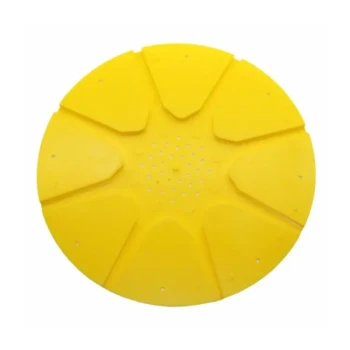
Control strategies for the Large African Hive Beetle are dictated entirely by its unique lifecycle. Unlike pests that reproduce within the colony, the larvae of Oplostomus fuligineus do not develop inside the beehive. Consequently, effective equipment must focus exclusively on distinct mechanical barriers to stop adult beetles from breaching the hive to feed.
The Large African Hive Beetle larvae develop in herbivore dung outside the apiary, meaning internal larval controls are useless. Management depends on physical exclusion at the perimeter, preventing adults from entering the hive to prey on honeybee brood.
The Biological Imperative for Exclusion
External Larval Development
Most hive pests complete their lifecycle inside the colony, requiring internal management. The Large African Hive Beetle is different.
Its larvae develop exclusively in the dung of herbivores, such as cattle or horses, found near the apiary. Because the reproductive stage happens outside, there are no larvae inside the hive to treat or trap.
The Adult Feeding Driver
The threat to the colony comes solely from the adult beetle.
Adults are driven to enter the hive to obtain nutrition. They specifically target and feed on the honeybee brood. Therefore, the only effective control point is the hive entrance, where mechanical guards must physically block their path.
The Role of Structural Integrity
Precision Manufacturing as Defense
Installing a beetle guard is insufficient if the hive body itself is compromised.
High-precision manufacturing ensures materials are free of holes and joints are tightly sealed. Because these beetles possess a thick carapace and significant climbing abilities, they can exploit even minor imperfections to bypass entrance guards.
Eliminating Alternative Entry Points
A beetle guard protects the front door, but a cracked hive wall leaves the window open.
If a hive has gaps caused by aging, poor maintenance, or low-quality hardware, adult beetles will find them. maintaining high-quality hive hardware is a prerequisite; without it, entrance barriers are rendered ineffective.
Common Pitfalls and Risks
Equipment Degradation
The effectiveness of physical exclusion relies on the hive remaining a sealed unit.
As equipment ages, wood can warp or rot, creating gaps. Large African Hive Beetles are highly invasive and will actively search for these structural weaknesses to bypass your primary defenses.
The Risk of Translocation
While physical barriers stop local entry, they do not prevent human-mediated spread.
These beetles have high vitality, capable of surviving over 30 days without food or water. Migratory beekeeping equipment and transport vehicles can easily spread the pest across borders if thorough cleaning and quarantine protocols are not followed.
Optimizing Your Defense Strategy
To effectively control this pest, you must look beyond simple traps and evaluate the entire physical envelope of your apiary.
- If your primary focus is Equipment Selection: Prioritize high-precision hive bodies with tight joints to eliminate gaps that beetles can exploit.
- If your primary focus is Colony Maintenance: Inspect hives regularly for cracks or aging hardware that would allow beetles to bypass entrance guards.
- If your primary focus is Migratory Beekeeping: Implement strict cleaning and quarantine procedures to prevent transporting high-vitality adults to new locations.
By denying the adult beetle physical access to the hive, you completely neutralize the threat before it reaches the brood.
Summary Table:
| Feature | Impact on Large African Hive Beetle (O. fuligineus) | Control Requirement |
|---|---|---|
| Larval Development | Occurs externally in herbivore dung; not found in hives. | No internal larval treatment needed. |
| Adult Behavior | Enter hives to prey on honeybee brood. | Must focus on entrance exclusion. |
| Beetle Anatomy | Thick carapace and strong climbing ability. | High-precision, gap-free hive construction. |
| Vitality | Can survive 30+ days without food or water. | Strict quarantine during migration. |
| Primary Threat | Physical breach of the hive envelope. | Durable hardware and mechanical guards. |
Secure Your Apiary with HONESTBEE Precision Hardware
Protecting your colony from the Large African Hive Beetle requires more than just luck—it requires structural integrity. At HONESTBEE, we specialize in supporting commercial apiaries and distributors with high-precision beekeeping tools and machinery designed to eliminate the gaps that pests exploit.
Whether you need advanced hive-making machinery for perfect joints or wholesale specialized hardware that acts as a fortress for your bees, our comprehensive portfolio ensures your operation remains productive and secure. Don't let invasive pests compromise your brood.
Ready to upgrade your defenses? Contact HONESTBEE today for wholesale solutions and expert equipment support.
References
- Worrel A. Diedrick, Cameron Jack. Large African Hive Beetle Oplostomus fuligineus (Olivier) (Insecta: Coleoptera: Scarabaeidae). DOI: 10.32473/edis-in1309-2020
This article is also based on technical information from HonestBee Knowledge Base .
Related Products
- Plastic Beetle Blaster Trap Beekeeping Tools and Supplies
- Black Plastic Beetle Barn Hive Beetle Trap for Beehives
- Removable Washable Hive Beetle Trap Attractants for Small Hive Beetles
- Reusable Clear Small Hive Beetle Traps for Beehives Beetle Trapping Tools
- Reusable Aluminium Beetle Trap for Small Hive Beetles Silver Bullet
People Also Ask
- In what situations is the use of beetle traps particularly recommended? Essential Protection for Vulnerable Bee Hives
- How should beetle traps be placed in the hive? Achieve Perfect Flush Placement for Maximum Control
- How do beetle traps like Beetle Blasters support bee colonies? Protect Your Hives from Destructive Pests
- What are the three main types of hive beetle traps? Expert Solutions for Protecting Your Bee Colonies
- What are the available chemical-free options for trapping hive beetles? Safe and Effective Pest Management Solutions