Disinfectant effectiveness relies heavily on the physical interaction between the chemical solution and the surface it treats. Because beekeeping equipment is constructed from materials with vastly different properties—ranging from porous wood to dense plastic and expanded polystyrene (EPS) foam—testing must be categorized by material to accurately measure absorption rates and retention times. Without material-specific data, it is impossible to guarantee that pathogens are actually eliminated.
Disinfectant interaction is not universal; a protocol that sterilizes plastic may fail completely on wood. Categorized testing is the only method to scientifically determine the unique concentration and contact time required to secure distinct hive environments.
The Impact of Material Properties on Disinfection
To understand why generic testing fails, one must look at how different substrates interact with liquid solutions physically.
Varying Absorption Rates
Materials like wood are highly porous, meaning they soak up disinfectant solutions rapidly.
In contrast, dense plastic and EPS foam tend to keep fluids on the surface.
This difference determines whether the disinfectant stays available to kill pathogens or is absorbed deep into the material where it may not reach surface contaminants.
Differences in Retention Time
Retention time refers to how long a surface remains wet with the disinfectant.
Wood may dry out or absorb the liquid too quickly, potentially shortening the effective exposure time.
Plastic and EPS foam generally retain the solution on the surface longer, allowing for prolonged chemical action without reapplication.
Why Categorized Testing is Mandatory
Conducting classified experiments on specific materials is the only way to translate physical properties into usable data.
Defining Minimum Effective Concentration
You cannot assume a single chemical strength works for all gear.
Testing allows researchers to find the lowest concentration that still achieves disinfection on complex, absorbent surfaces like wood.
This ensures the solution is strong enough to penetrate pores without being wastefully excessive on smooth plastic.
Establishing Required Contact Time
Pathogens require a specific duration of exposure to be neutralized.
Categorized testing determines exactly how long the disinfectant must sit on EPS foam versus wood to be effective.
This data is the foundation for creating reliable, step-by-step disinfection protocols for beekeepers.
The Risks of Uniform Protocols
It is critical to understand the trade-offs of ignoring material differences.
False Security on Porous Surfaces
Applying a "plastic protocol" to a wooden hive is a common failure point.
Because wood absorbs liquids, a standard contact time may be insufficient, leading to surviving pathogens hiding within the grain of the wood.
Inefficiency and Material Damage
Conversely, using a harsh "wood protocol" on delicate EPS foam can be detrimental.
High concentrations necessary for porous materials might degrade foam or plastic over time.
Furthermore, using excessive chemicals on non-absorbent surfaces is financially inefficient and environmentally irresponsible.
Making the Right Choice for Your Biosecurity
When developing or selecting disinfection strategies, apply these principles to your specific equipment.
- If your primary focus is Protocol Development: You must conduct separate validation tests for wood, plastic, and EPS to define the minimum effective concentration for each.
- If your primary focus is Field Application: Ensure you adhere to the specific contact times listed for your hive material, rather than using a single timer for all equipment.
Effective biosecurity is not about the chemical alone, but the precise relationship between the chemical and the specific surface it treats.
Summary Table:
| Material Type | Porosity Level | Disinfectant Retention | Main Disinfection Challenge |
|---|---|---|---|
| Wood | High (Porous) | Short (Absorbs quickly) | Reaching pathogens deep in grains |
| Plastic | Low (Dense) | Long (Surface-level) | Avoiding chemical residue/waste |
| EPS Foam | Low (Closed-cell) | Long (Surface-level) | Preventing material degradation |
Maximize Your Apiary Biosecurity with HONESTBEE
At HONESTBEE, we understand that maintaining a disease-free environment requires more than just high-quality tools—it requires scientific precision. As a premier partner for commercial apiaries and distributors, we provide a comprehensive wholesale range of beekeeping tools, hive-making machinery, and essential consumables designed for longevity and easy maintenance.
Whether you are managing traditional wooden hives or modern EPS systems, our team offers the expertise and specialized equipment needed to optimize your operations and protect your colonies. Contact us today to discover how our professional-grade hardware and industry insights can strengthen your business and enhance your beekeeping efficiency.
References
- D.V. Gruznov, Olga A. Gruznova. Studying the effectiveness of disinfectants for ascospherosis of bees in laboratory and apiary conditions. DOI: 10.1051/bioconf/202410803014
This article is also based on technical information from HonestBee Knowledge Base .
Related Products
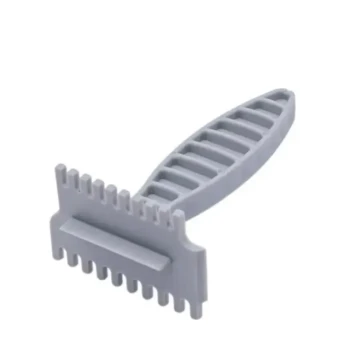
- Lightweight Durable Plastic Queen Excluder Scraper for Beekeeping
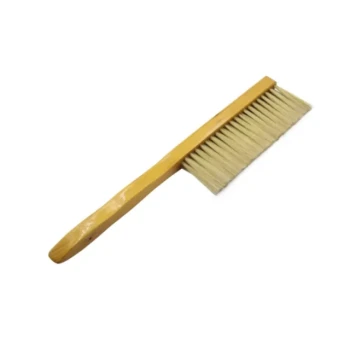
- Wooden Bee Brush with Triple Row Artificial Fiber for Beekeeping
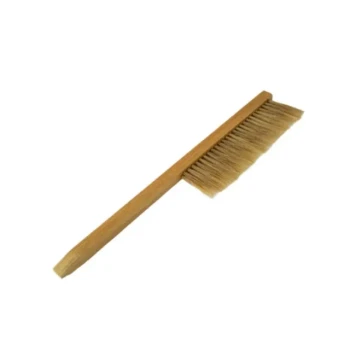
- Classic Wooden Bee Brush with Double-Row Boar Bristles
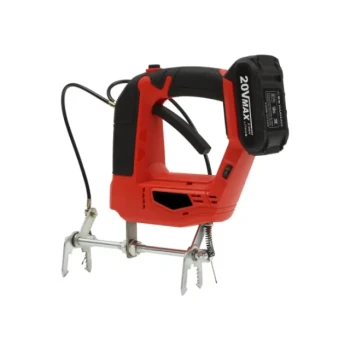
- High Performance Cordless Electric Bee Shaker for Beekeeping
- Wholesales Dadant Size Wooden Bee Hives for Beekeeping
People Also Ask
- Why are standardized hive frames and queen excluders essential for maintaining honey purity and quality? Scale Your Purity
- What types of queen excluders are available for beekeepers? Choose the Right Tool for Your Hive
- What are the benefits of using a queen excluder for monitoring and managing the queen bee? Master Hive Control Today!
- What is the purpose of removing queen excluders during the queen bee installation? Maximize Colony Growth Today
- What is a queen excluder in beekeeping? A Guide to Hive Management & Honey Production