Microphones and sensors inside a beehive require specialized protective mesh to act as a critical physical barrier against the colony's natural defense mechanisms. Specifically, this mesh prevents honeybees from coating the equipment with propolis—a resinous "bee glue"—which would otherwise obstruct sound waves, insulate temperature probes, and render the data collection ineffective.
The protective mesh serves as the necessary interface between sensitive electronics and biological instincts. By preventing bees from sealing "foreign" sensors with propolis or wax, the mesh ensures consistent data accuracy and significantly extends the equipment's operational lifespan.
The Biological Challenge: Propolisation
To understand why the mesh is necessary, you must first understand the environment inside the hive.
The Instinct to Seal
Honeybees have a natural tendency to maintain their hive's internal integrity by sealing crevices and covering foreign objects. They use propolis, a sticky resinous mixture, to coat surfaces they cannot remove.
The Consequence for Sensors
Without protection, the bees treat the sensor probe as a foreign intruder or a gap to be filled. They will rapidly apply propolis or beeswax directly onto the device.
Physical Aggression
Beyond coating, bees may physically attack strange objects. Supplementary data indicates that without enclosure, bees may attempt to bite sensors, leading to direct physical damage of delicate electronic components.
How the Mesh Preserves Data Integrity
The mesh functions as a selective filter, allowing environmental data to pass while blocking physical interference.
Maintaining Acoustic Sensitivity
For microphones, the mesh prevents the accumulation of propolis on the sound-receiving surfaces. If the microphone diaphragm were coated in resin, it would lose sensitivity and fail to capture the subtle vibrations of the colony. The mesh allows sound waves to pass through to the sensor obstruction-free.
Ensuring Accurate Environmental Readings
Temperature and humidity sensors require contact with the hive's air to provide valid data. A "breathable" mesh, such as tulle fabric or perforated metal, ensures air circulation around the probe. This prevents the sensor from becoming insulated by a layer of wax, which would result in lagged or inaccurate readings.
Understanding the Operational Trade-offs
Using the correct protective housing is the difference between a successful long-term study and immediate equipment failure.
Extending Maintenance Cycles
Direct exposure of sensors leads to rapid signal blockage, requiring frequent, disruptive hive openings to clean the equipment. The primary value of the mesh is that it enables monitoring cycles lasting hundreds of hours. It drastically reduces the frequency of maintenance, disturbing the bees less and preserving the natural state of the hive.
Material Selection Matters
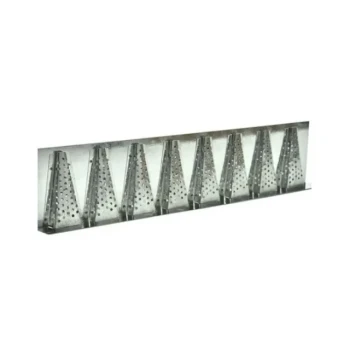
Not all mesh is created equal. Metal mesh provides robust protection against biting and wax application for audio equipment. Conversely, breathable tulle fabric is often used for environmental sensors to ensure maximum airflow while preventing direct contact with the sensor body.
Making the Right Choice for Your Project
Selecting the correct protection depends on the specific data you intend to capture.
- If your primary focus is Audio Monitoring: Prioritize a rigid metal mesh that prevents physical obstruction of the microphone while allowing sound waves to permeate freely.
- If your primary focus is Environmental Data (Temp/Humidity): utilize a breathable tulle or plastic enclosure that stops propolis coating but permits free air exchange for real-time accuracy.
Effective hive monitoring relies less on the sensor itself and more on the protective strategy used to keep it functional in a biological environment.
Summary Table:
| Feature | Protection Type | Primary Benefit | Key Material |
|---|---|---|---|
| Acoustic Sensors | Rigid Metal Mesh | Prevents sound muffling by propolis | Perforated Metal |
| Environmental Sensors | Breathable Enclosure | Ensures accurate temp/humidity airflow | Tulle or Plastic Mesh |
| Durability | Physical Barrier | Prevents bee biting and wax buildup | Durable Synthetic/Metal |
| Maintenance | Strategic Housing | Extends monitoring cycles, reduces hive disruption | All Mesh Types |
Maximize Your Colony Insights with HONESTBEE
Ensuring your hive monitoring equipment remains functional in a biological environment requires the right tools. At HONESTBEE, we specialize in supporting commercial apiaries and distributors with a comprehensive range of professional beekeeping solutions.
From specialized hardware like hive-making and honey-filling machines to the essential consumables and protective tools needed for advanced monitoring, our wholesale portfolio is designed to enhance your efficiency and data accuracy. Let us help you scale your operations with industry-leading equipment and honey-themed cultural merchandise.
Ready to upgrade your apiary’s technology? Contact us today to explore how our full spectrum of beekeeping tools can drive your success!
References
- Sara Ferrari, Daniël Berckmans. Monitoring of swarming sounds in bee hives for early detection of the swarming period. DOI: 10.1016/j.compag.2008.05.010
This article is also based on technical information from HonestBee Knowledge Base .
Related Products
- Professional Square Folding Wire Mesh Beekeeping Veil
- Metal Hive Feet Bee Hive Stand for Ant Protection
- Inner Beehive Cover for Beekeeping Bee Hive Inner Cover
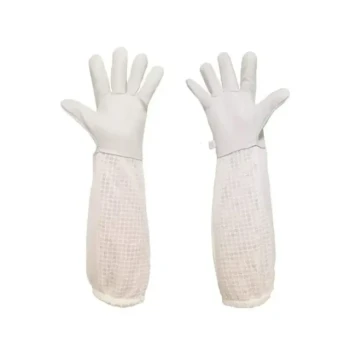
- Premium Ventilated Goatskin Beekeeping Gloves with Full 3-Layer Mesh Sleeve
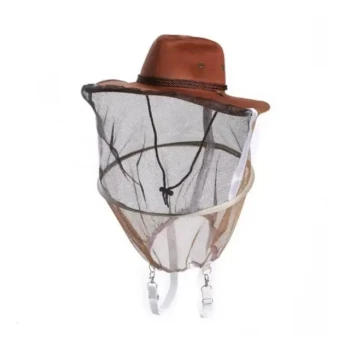
- High-Definition Beekeeper Hat with Round Veil Mesh for Beekeeping
People Also Ask
- Why is beekeeping veil mesh stiffness important? Ensure Maximum Safety with Rigid Protective Barriers
- What are the differences between round, square, and fencing veils? Choose the Right Protection for Your Apiary
- What are the different styles of beekeeping veils? A Guide to Safety & Visibility
- What types of head protection are available for beekeepers? Choose the Right Veil for Safety & Confidence
- What are the primary differences between a round beekeeping veil and a fencing veil? Choose the Right Protection