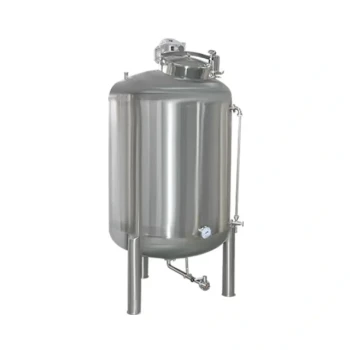
Integrating modern processing and temperature-controlled storage is the definitive step in transitioning from raw agricultural extraction to high-value food production. This equipment allows for the precise regulation of temperature and humidity during critical stages like filtration and dehydration. By strictly controlling these environmental factors, you preserve heat-sensitive nutrients—specifically active enzymes and vitamins—and prevent the compositional degradation that occurs with improper handling.
Core Insight: The value of honey is defined by its biological activity and physical purity. Modern infrastructure transforms honey from a volatile agricultural harvest into a stable, standardized commodity that meets the strict hygiene and quality thresholds required for high-end retail and export markets.
Preserving Biological Integrity and Composition
Protecting Heat-Sensitive Compounds
The primary differentiator of high-value honey is its enzymatic activity. Modern temperature-controlled storage ensures that honey is never exposed to heat spikes that denature active enzymes or destroy vitamins. This preservation is essential for maintaining the product's nutritional profile before it even reaches packaging.
Preventing Environmental Degradation
Honey is hygroscopic, meaning it naturally absorbs moisture from the air, which can lead to fermentation and spoilage. Advanced processing equipment includes moisture control units that stabilize water content during dehydration. This precise control maintains the honey in a high-quality state, preventing the chemical breakdown that devalues the product.
Elevating Commercial Standards and Marketability
Achieving Physical Purity and Consistency
Raw extraction often results in contamination with wax debris, larval remains, and micro-impurities. Modern filtration systems remove these elements to produce a refined, clarified product with superior transparency and fluidity. This standardization addresses the preference of approximately 62.3% of consumers who prioritize the sensory qualities of processed honey over raw, unfiltered varieties.
Meeting Regulatory and Export Thresholds
To enter mainstream retail or international trade, apiaries must prove their product is safe and consistent. Automated processing lines transform fragmented agricultural workflows into standardized food production systems capable of obtaining health permits. This infrastructure is often a non-negotiable requirement for securing large-scale retail contracts and meeting global export certifications.
Extending Shelf Life Through Hygiene
Standardized filling machines and sealed packaging technologies are critical for isolating the product from external contaminants. By preventing moisture re-absorption and microbial growth, this equipment significantly extends shelf life. It ensures the physicochemical stability of the honey during logistics and transportation, reducing losses due to spoilage.
Understanding the Trade-offs
Capital Investment vs. Market Access
Implementing temperature-controlled storage and automated processing lines represents a significant upfront capital expenditure. Smaller operations must weigh this cost against the potential price premium commanded by refined honey. While the equipment guarantees quality, the return on investment relies on the ability to access markets that demand—and pay for—standardized perfection.
Complexity of Operation
Moving from manual extraction to automated processing requires a shift in technical expertise. Operators must be trained to manage moisture control units and filtration systems to ensure they do not over-process the honey, which could strip it of beneficial pollen or character. The goal is refinement, not sterilization.
Making the Right Choice for Your Goal
To maximize the value of your honey products, align your equipment investment with your target market:
- If your primary focus is the Export Market: Prioritize standardized filtration and automated packaging lines to meet rigorous international certification and hygiene standards.
- If your primary focus is High-End Retail: Invest heavily in temperature-controlled storage and moisture control to preserve the enzymatic activity and sensory clarity that justifies a premium price point.
- If your primary focus is Operational Scale: Focus on semi-automated production flows to reduce labor costs and ensure product consistency across large batches.
Modern equipment does not just process honey; it protects the asset, ensuring the product leaving your facility is as chemically valuable as the product created in the hive.
Summary Table:
| Feature | Modern Equipment Benefit | Impact on Honey Value |
|---|---|---|
| Temperature Control | Preserves heat-sensitive enzymes & vitamins | Maintains biological integrity and premium pricing |
| Moisture Regulation | Prevents fermentation and chemical breakdown | Extends shelf life and ensures product stability |
| Advanced Filtration | Removes wax debris and micro-impurities | Enhances clarity and meets consumer sensory preferences |
| Automated Filling | Ensures hygiene and standardized packaging | Facilitates retail entry and international export |
Elevate Your Honey Production with HONESTBEE
Transition from raw extraction to high-value food production with HONESTBEE. We specialize in supporting commercial apiaries and distributors by providing a comprehensive range of professional-grade tools, from hive-making machinery to advanced honey-filling systems.
Whether you need industrial-scale equipment or essential consumables, our portfolio is designed to help you meet rigorous international standards and maximize your market returns. Contact us today to discover how our tailored wholesale solutions can streamline your operations and enhance the value of your honey products.
References
- O. Drebot, M. Vysochanska. ECOLOGICAL AND ECONOMIC BASICS OF BALANCED BEEKEEPING DEVELOPMENT. DOI: 10.33730/2310-4678.4.2022.275600
This article is also based on technical information from HonestBee Knowledge Base .
Related Products
- Stainless Steel Honey Storage and Settling Tank with Double Strainer
- Professional Honey Storage Tank with Agitation System
- Stainless Steel Honey Storage Tank with Lid for Honey
- Electric Double Wall Honey Filtering Machine Purifier Equipment for Honey Processing Plant
- Heavy Duty Stainless Steel Honey Processing Machine Decrystallizing Tank
People Also Ask
- What economic role do honey storage tanks play? Boost Your Revenue Through Strategic Inventory Management
- What roles do industrial honey storage tanks and filtration meshes play in processing? Ensure Purity & Consistency
- What is the purpose of a honey storage tank? Streamline Your Honey Processing for Quality & Efficiency
- What role do settling tanks play in honey production? Achieve Pure, High-Clarity Honey Naturally
- Why are large settling tanks used in the honey clarification process? Achieve Natural Purity & Batch Consistency