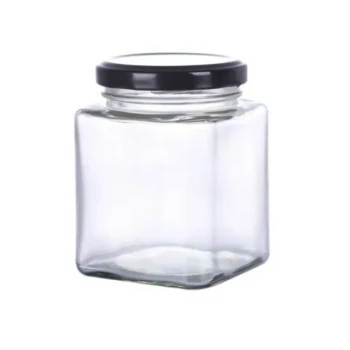
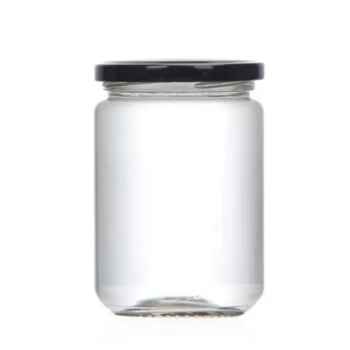
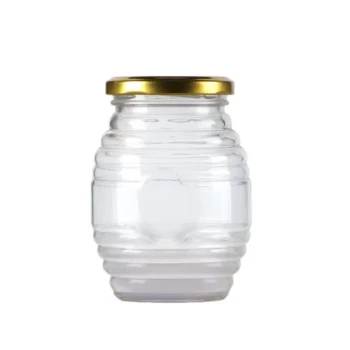
To ensure the accuracy of analytical data, collected honey samples must be stored in inert glass containers to prevent the migration of heavy metals or plasticizers from packaging materials into the honey. Furthermore, keeping these samples in light-shielded environments is essential to inhibit the degradation of bioactive components, preserving the honey's authentic seasonal and regional characteristics.
Core Takeaway The integrity of a honey sample relies on preventing chemical interaction and photochemical decay; inert glass ensures no external contaminants alter the elemental profile, while darkness preserves the sensitive biological markers required for accurate origin identification.
Why Inert Glass is the Superior Choice
Preventing Chemical Migration
The primary reason for using inert glass is to eliminate the risk of container-to-sample leaching. Unlike certain plastics, inert glass prevents the migration of heavy metals or plasticizers into the honey.
This ensures that the elemental characteristics observed during analysis are inherent to the honey itself, rather than artifacts of the packaging.
Maintaining Physicochemical Stability
Industrial-grade glass provides superior chemical inertness, meaning it will not react with the honey's acidic nature. This stability preserves critical parameters such as acidity and moisture content.
By maintaining these parameters, glass containers ensure the accuracy of subsequent botanical origin identification.
The Barrier Against Moisture
Honey is highly hygroscopic, meaning it readily absorbs moisture from the air. Glass containers generally offer a tighter seal compared to other materials, effectively isolating the sample from environmental humidity.
Preventing moisture absorption is critical, as excess water can dilute the sample or trigger fermentation, spoiling the honey before analysis can occur.
The Criticality of Light-Shielded Environments
Inhibiting Photochemical Degradation
Light-shielding—often achieved through the use of amber or dark glass—is necessary to block ultraviolet and visible light. Exposure to light triggers photochemical reactions that fundamentally alter the honey's composition.
Without this protection, light-sensitive enzymes and antioxidant components can be rapidly inactivated or degraded.
Preserving Bioactive Markers
Specific compounds, such as phenolics, serve as markers for the honey's health benefits and origin. Storing samples in the dark prevents the breakdown of these bioactive substances.
This preservation ensures that the natural biochemical characteristics of the honey remain stable for melissopalynological (pollen) and antioxidant analysis.
Capturing Authentic Regional Features
The ultimate goal of proper storage is to maintain the sample's "snapshot" in time. By preventing light-induced changes, you preserve the specific seasonal and regional compositional features of the honey.
This allows researchers to obtain data that genuinely reflects the environmental conditions and flora of the collection site.
Understanding the Trade-offs
The Practical Limitations of Glass
While glass is the gold standard for chemical analysis, it comes with logistical challenges. Glass is heavy, increasing shipping costs, and it is fragile, posing a risk of loss during transport from the apiary to the lab.
The Role of Plastic
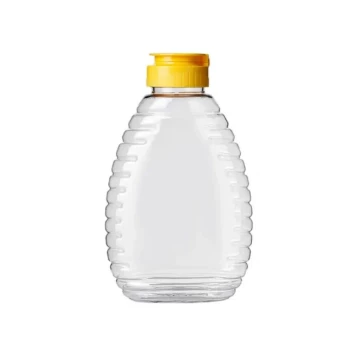
Plastic containers are lightweight, unbreakable, and cost-effective, making them convenient for field collection. However, they pose a risk of interaction with the honey over time, potentially affecting taste and quality.
While food-grade plastics mitigate some risks, they do not offer the absolute chemical inertness of glass, making them less suitable for high-precision analytical studies where plasticizer migration could corrupt the data.
Making the Right Choice for Your Goal
To select the appropriate storage method, you must define the level of analytical precision required.
- If your primary focus is precise chemical or origin analysis: Use sterile, dark/amber glass containers to guarantee zero chemical migration and maximum retention of bioactive markers.
- If your primary focus is routine transport or casual consumption: Use high-quality food-grade plastic to prioritize durability and portability, accepting a slight reduction in long-term chemical isolation.
Data accuracy begins with the integrity of the sample storage vessel.
Summary Table:
| Storage Factor | Preferred Method | Benefit for Analysis |
|---|---|---|
| Container Material | Inert Glass | Prevents heavy metal/plasticizer leaching; maintains chemical purity. |
| Light Exposure | Dark/Amber Shielding | Inhibits photochemical degradation of enzymes and antioxidants. |
| Seal Integrity | Airtight Glass Lids | Prevents moisture absorption and fermentation of hygroscopic honey. |
| Sample Integrity | Dark, Cool Storage | Preserves seasonal and regional markers for origin identification. |
Elevate Your Honey Quality with HONESTBEE Professional Solutions
At HONESTBEE, we understand that maintaining the authentic characteristics of honey is vital for commercial success. Whether you are a commercial apiary or a distributor, we provide the specialized tools and industrial machinery needed to preserve product integrity.
From high-precision honey-filling machines to a full spectrum of beekeeping equipment and consumables, our portfolio is designed to help you deliver premium, untainted honey to the global market.
Ready to scale your honey production with industry-leading hardware?
Contact Us Today to Explore Wholesale Solutions
References
- Nina Bilandžić, Mirjana Hruškar. Element content in ten Croatian honey types from different geographical regions during three seasons. DOI: 10.1016/j.jfca.2019.103305
This article is also based on technical information from HonestBee Knowledge Base .
Related Products
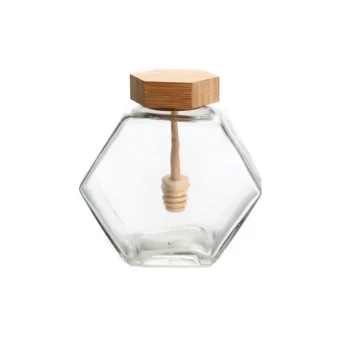
- Hexagonal Glass Honey Jar with Wooden Lid Integrated Dipper Elegant Functional Storage
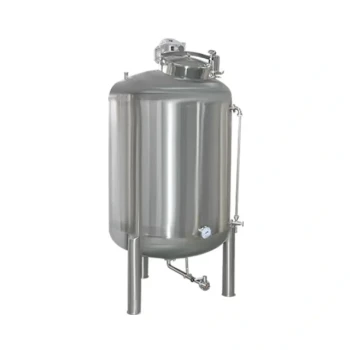
- Stainless Steel Honey Storage Tank with Lid for Honey
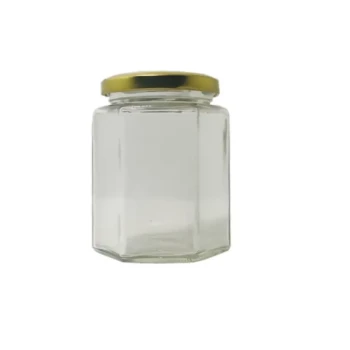
- Hexagonal Glass Honey Jars with Metal Lug Caps Elegant Versatile Packaging
- Stainless Steel Honey Storage and Settling Tank with Double Strainer
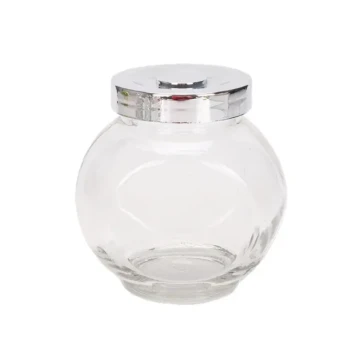
- Classic Drum Shaped Glass Honey Jar with Airtight Lid
People Also Ask
- What are the benefits of glass jars regarding strength and safety for storing honey? Ensure Purity and Long-Term Quality
- What are the advantages of using glass jars for honey storage? Ensure Purity and Premium Appeal for Your Product
- What is the aesthetic appeal of using glass jars for honey? Elevate Your Brand with Premium Packaging
- What are the advantages of glass containers for honey? Elevate Quality and Market Value with Premium Packaging
- What are the benefits of using high-transparency Glass Jars for honey? Elevate Purity and Premium Branding