Toggle Categories
Get Instant Support
Choose your preferred way to connect with our team
-
Get Free Quote Fill out form for detailed pricing
-
Send Email Detailed inquiry support
-
WhatsApp Quick mobile chat
Response Time
Within 8 hours on working days, 24 hours on holidays










Protective Gear
















Beeswax Processing Equipment




Pollen & Propolis & Royal Jelly Processing
Hive & Frame Making Machines

Products
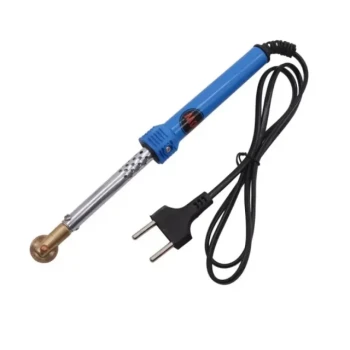
HONESTBEE Soldering Iron Style Spur Wheel Wire Embedder
Item Number: WE-5

HONESTBEE Collapsible Tiered Bee Swarm Catcher for Beekeeping
Item Number: SCB-2

Professional Thermostatic Conical Honey Melter
Item Number: HHT-4
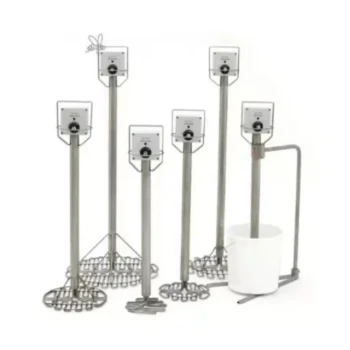
HONESTBEE Commercial Upright Honey Melter
Item Number: HHT-5
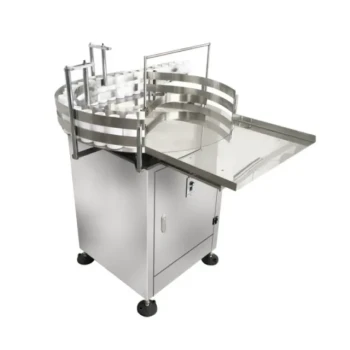
Automated Rotary Bottle Unscrambler for Honey Production Line
Item Number: HBU-1
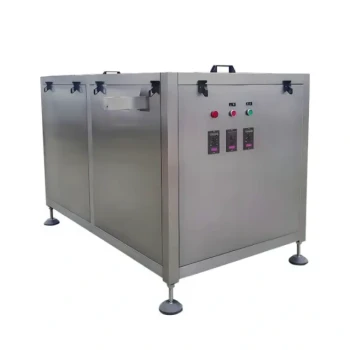
Fully Automatic High Speed Centrifugal Bottle Unscrambler
Item Number: HBU-2

Automatic Single-Dose Snap & Squeeze Honey Sachets Packing Machine
Item Number: HFM-14
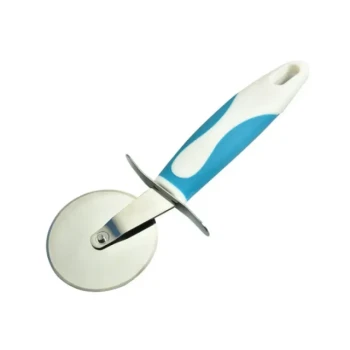
Professional Rolling Wax Cutter with Ergonomic Handle
Item Number: WC-1
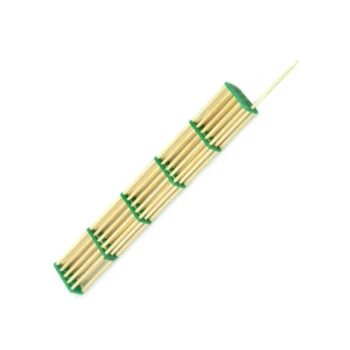
Professional Bamboo Queen Isolation Cage
Item Number: QC-3

Heavy Duty Stainless Steel Queen Bee Catcher Clip
Item Number: QC-7
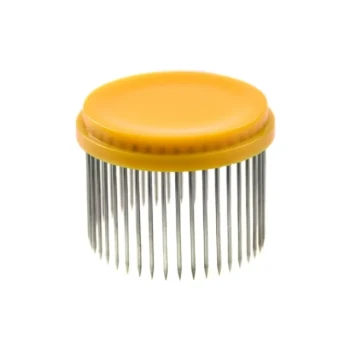
Professional Round Push-In Queen Cage with Metal Tines
Item Number: QC-9
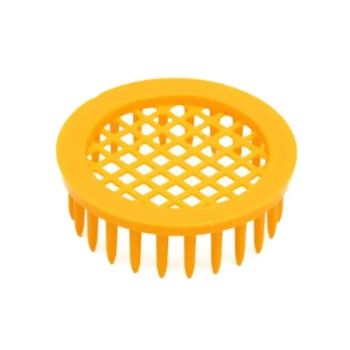
Durable Plastic Push In Queen Bee Cage
Item Number: QC-10
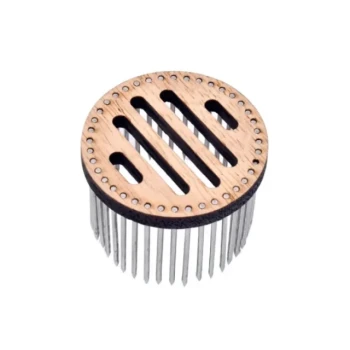
Premium Wood and Steel Push In Queen Cage
Item Number: QC-11
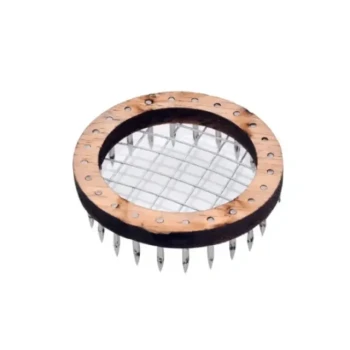
Wood and Mesh Push-In Queen Cage
Item Number: QC-12

Professional Queen Catcher and Introduction Queen Cage
Item Number: QC-16
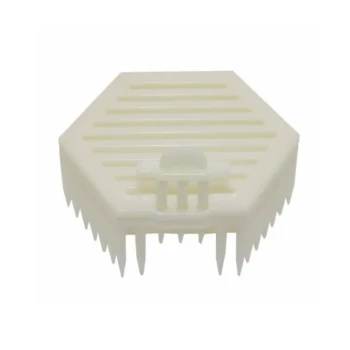
Hexagonal Direct Comb Introduction Queen Bee Cage
Item Number: QC-17

Professional Queen Bee Introduction and Transport Cage
Item Number: QC-19

Professional Multi-Functional Queen Bee Cage
Item Number: QC-20

Durable Galvanized Steel Spring Queen Bee Cage
Item Number: QC-23
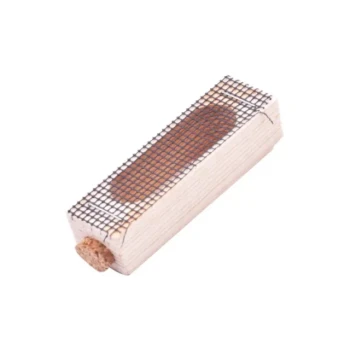
Classic Wooden and Mesh California Queen Cage
Item Number: QC-22
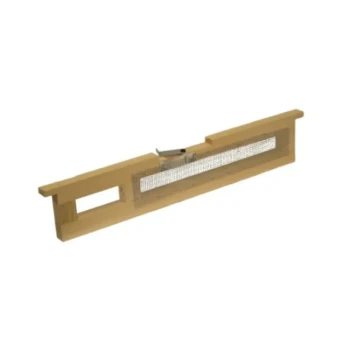
Professional Wooden Requeening Frame for Beekeeping
Item Number: RF-1
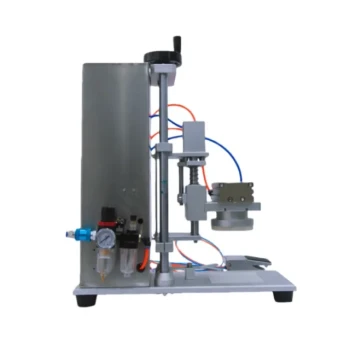
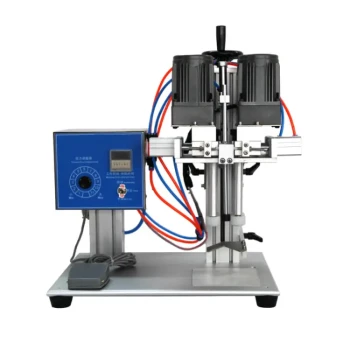
HONESTBEE Professional Benchtop Pneumatic Bottle Capping Machine Capper
Item Number: BCM-2A

Heavy Duty Laser Cut Bee Design Metal Frame Perch
Item Number: BFP-4
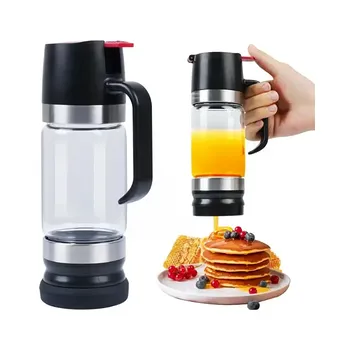
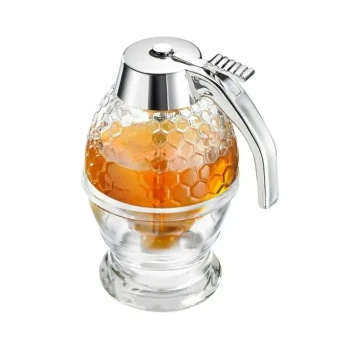
Professional High Borosilicate Glass Honey Dispenser with Bottom-Flow Design
Item Number: AHS-3
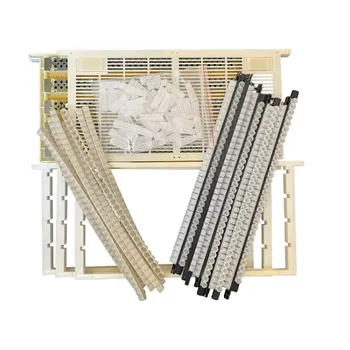

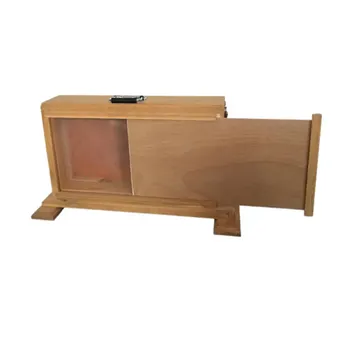
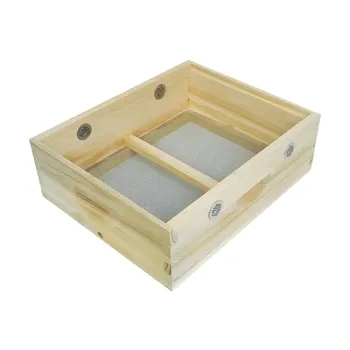
Professional Beekeeping Quilt Box with Multi Vent Moisture Control
Item Number: BHQ-1
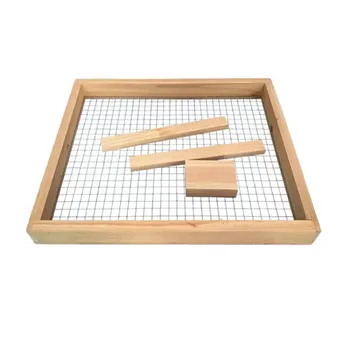
Heavy-Duty Candy Board with Galvanized Mesh for Beekeeping
Item Number: BHW-1
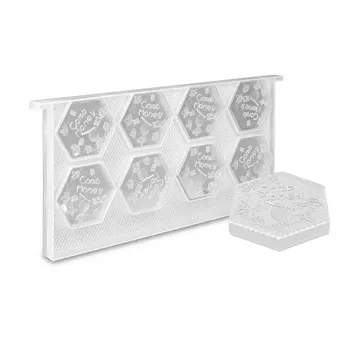
Hexagonal Comb Honey Frame and Honeycomb Cassette
Item Number: CHC-7
REQUEST A QUOTE
Our professional team will reply to you within one business day. Please feel free to contact us!
Related Articles
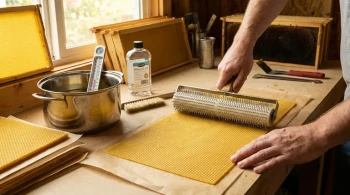
How to Craft Durable Wax Foundations Using Manual Rollers: A Beekeeper's Guide
Learn expert techniques for crafting durable wax foundations using manual rollers—temperature control, rolling best practices, and troubleshooting tips for beekeepers.
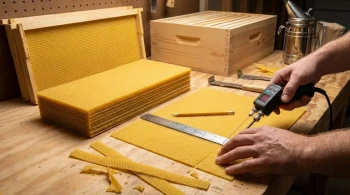
How to Cut Beeswax Foundations for Perfect Hive Compatibility Every Time
Learn professional techniques for cutting beeswax foundations to ensure hive compatibility, prevent warping, and boost colony productivity.
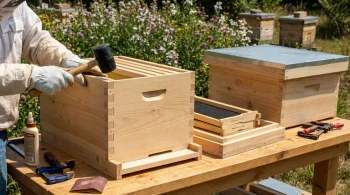
How to Assemble Wooden Beehives: A Beginner's Guide to Durable Joint Systems
Learn how to assemble durable wooden beehives with expert tips on joint systems, weatherproofing, and long-term maintenance for beginners.
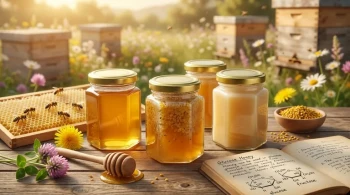
Why Honey Crystallizes Differently—And How to Manage It Naturally
Learn why honey crystallizes differently based on sugar composition and floral source, plus natural storage and decrystallization tips.
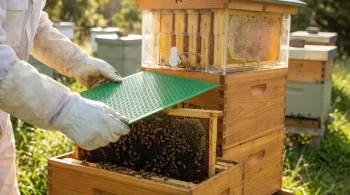
Strategic Queen Excluder Use in Flow Hives: Preventing Brood Contamination Without Triggering Swarms
Learn how to strategically use queen excluders in Flow Hives to prevent brood contamination while minimizing swarming risks for optimal honey production.
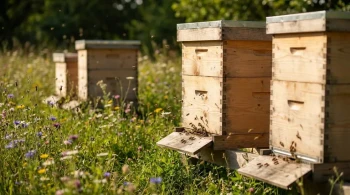
Why Wooden Beehives Outperform Modern Alternatives: A Science-Backed Guide for Beekeepers
Discover why wooden beehives outperform modern alternatives with superior insulation, breathability, and durability for thriving bee colonies.
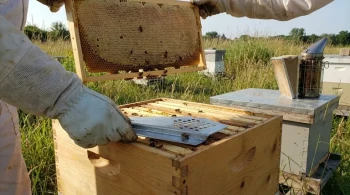
How to Clear Honey Supers Humanely: Reliable Methods & Troubleshooting
Learn humane methods to clear honey supers without stressing bees, including bee escapes, fume boards, and troubleshooting tips for stubborn colonies.
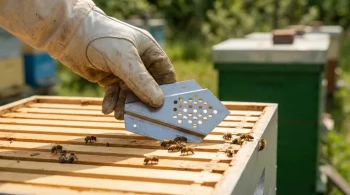
How to Clear Bees from Frames Without Compromising Honey Quality or Colony Health
Learn ethical methods to clear bees from frames without harming honey quality or colony health. Essential for commercial beekeepers.
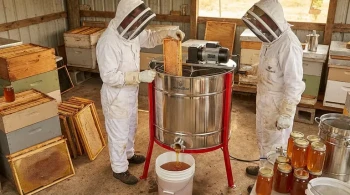
How to Choose the Right Honey Processing Method for Your Apiary
Learn how to choose the best honey processing method for your apiary—balancing quality, efficiency, and budget for small to large-scale operations.
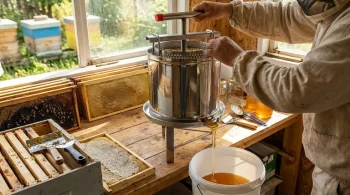
How Honey Screw Presses Solve Hygiene, Durability, and Efficiency Challenges for Small Beekeepers
Modern honey screw presses enhance hygiene, durability & efficiency for small beekeepers with stainless steel designs and space-saving features.
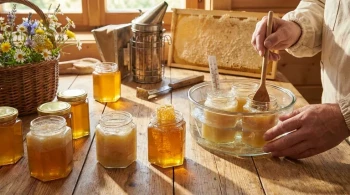
How to Manage Honey Crystallization Without Compromising Quality
Learn how to manage honey crystallization naturally while preserving quality. Discover safe decrystallization methods and storage tips for beekeepers.
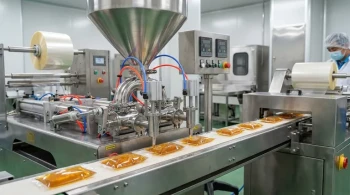
How Small Bag Honey Packaging Machines Solve Industry-Specific Challenges
Specialized small bag honey packaging machines ensure quality, efficiency, and scalability for modern honey producers. Learn how they solve industry challenges.
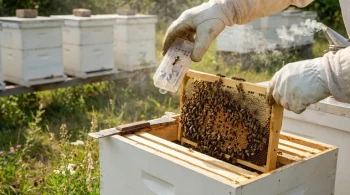
How Queen Management Dictates Success in Colony Splitting: A Beekeeper’s Guide
Learn expert queen management techniques for successful colony splitting in beekeeping. Optimize pheromone stability, resource allocation, and timing.
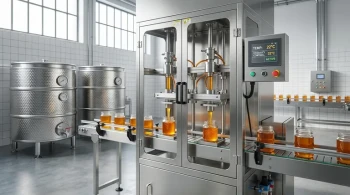
How Advanced Honey Packaging Preserves Quality & Maximizes Profits for Beekeepers
Discover how advanced honey packaging preserves quality, prevents waste, and boosts profits for beekeepers with insulated barrels and precision tech.
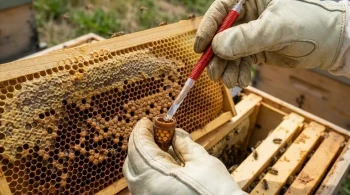
How to Improve Queen-Rearing Success: Biologically Optimized Grafting Techniques
Boost queen-rearing success with science-backed grafting techniques focusing on larval biology, tool prep, and colony conditions for higher acceptance rates.
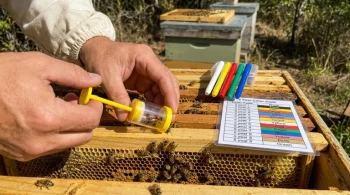
How to Mark Queen Bees Safely Using the 5-Year Color Code System
Learn the 5-year color code system for marking queen bees to improve hive health, prevent swarming, and boost honey production.
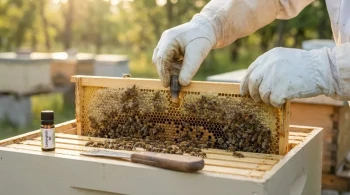
How to Replace Queen Cells in Nucleus Hives Without Triggering Bee Drifting
Learn how to replace queen cells in nucleus hives without triggering bee drifting, reducing worker bee losses by over 60% in commercial operations.
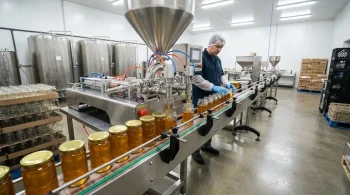
How to Choose the Best Honey Filling Machine for Your Production Needs
Learn how to choose the best honey filling machine for your production needs—viscosity handling, output demands, and budget considerations.
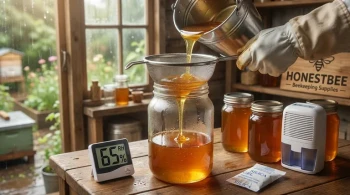
How Humidity Alters Honey’s Flavor and Practical Ways to Preserve It
Learn how humidity affects honey's flavor and discover practical storage solutions to preserve its quality for beekeepers and enthusiasts.
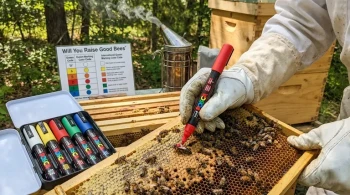
How Queen Bee Age Tracking Boosts Hive Productivity: A Beekeeper’s Guide
Learn how queen bee age tracking boosts hive productivity with color-coded marking and strategic replacement protocols for beekeepers.