Solar beeswax melters are essential tools for beekeepers and crafters who prioritize sustainability and efficiency. These devices utilize solar energy to melt beeswax, making them an eco-friendly alternative to traditional methods. Our product range includes the Solar Beeswax Melter Easy Solar Wax Melter for Beeswax, designed for easy use and low maintenance. Perfect for those looking to produce high-quality wax for candles, cosmetics, and other applications, our solar wax melters ensure a clean and pure melting process.
Toggle Categories
Get Instant Support
Choose your preferred way to connect with our team
-
Get Free Quote Fill out form for detailed pricing
-
Send Email Detailed inquiry support
-
WhatsApp Quick mobile chat
Response Time
Within 8 hours on working days, 24 hours on holidays
solar beeswax melter
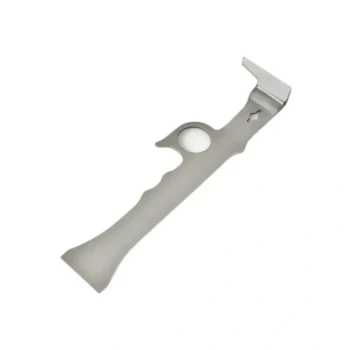
HONESTBEE Advanced Ergonomic Stainless Steel Hive Tool for Beekeeping
Item Number: HT-14

HONESTBEE 15-in-1 Beekeeper Multi-Tool with Hammer and Pliers for Beekeeping
Item Number: HT-22
Why Choose Our Solar Beeswax Melters?
Our solar beeswax melters are engineered to provide the most efficient and sustainable way to melt beeswax. Here’s a detailed look at what makes our products stand out:
Features
- High-Strength Double-Glazed Glass: Reaches temperatures up to 120°C under direct sunlight, ensuring efficient melting.
- Stainless Steel Plate: Provides uniform heat distribution for consistent results.
- Durable Wax Tray: Offers ample space for melting wax from hive frames, making cleaning easy.
Principle
A solar wax melter operates by harnessing the sun's energy to melt beeswax. The device typically consists of a container with a glass or plastic covering and a small inner container where the melted wax collects. As the sun heats the device, the wax melts and drips into a pan of water, often passing through a filter to ensure purity.
Advantages
- Sustainability: Reduces the energy footprint by using renewable solar energy.
- High-Quality Wax: The slow and controlled melting process ensures clean and pure wax free from contaminants.
- Versatility: Compatible with frames from different hive systems and can be expanded for larger volumes of wax.
- Low Maintenance: The solar heat does most of the work, requiring minimal upkeep.
- Environmentally Friendly: Operates without the need for additional energy sources.
Applications
Our solar beeswax melters are perfect for a variety of applications, including:
- Beekeeping: Ideal for beekeepers with large quantities of raw wax.
- Crafting: Produces high-quality wax for making candles, cosmetics, and more.
Customizable Services
We understand that every beekeeper and crafter has unique needs. That’s why we offer customizable solutions to ensure our products meet your specific requirements. Whether you need a larger capacity or additional features, we can tailor our solar wax melters to fit your needs.
Get Started Today
Ready to experience the benefits of our solar beeswax melters? Contact us to learn more about our products and how we can help you achieve sustainable, high-quality wax production. Our team of experts is here to answer any questions and guide you through the process. Don’t wait—embrace eco-friendly beekeeping and crafting with our top-of-the-line solar wax melters.
FAQ
What Is The Principle Of A Solar Beeswax Melter?
A solar beeswax melter uses sunlight to melt beeswax, creating clean wax without additional energy sources. It typically consists of a container with a glass or plastic covering and a small inner container where melted wax collects. The heat from the sun melts the wax, which then drips into a pan of water, often passing through a filter.
What Are The Advantages Of Using A Solar Beeswax Melter?
The benefits of using a solar beeswax melter include sustainability, as it reduces the energy footprint by harnessing renewable solar energy; high-quality wax, as the slow and controlled melting process ensures clean and pure wax free from contaminants; and versatility, as it is compatible with frames from different hive systems and can be expanded for larger volumes of wax. Additionally, it is environmentally friendly, requires no energy, and is low maintenance, making it suitable for beginners.
What Are The Applications Of A Solar Beeswax Melter?
A solar beeswax melter is used to melt beeswax using the heat of the sun, especially useful for beekeepers with large quantities of raw wax. The wax is placed in a pan inside the melter, and the melted wax is collected in a tray as it cools and solidifies. This purified wax can then be reused in various applications such as candles and cosmetics.
What Are The Main Features Of A Solar Beeswax Melter?
The main features of a solar beeswax melter include high-strength double-glazed glass that reaches up to 120°C under direct sunlight, a stainless steel plate for uniform heat distribution, and a durable wax tray that provides ample space for melting wax from hive frames. These features ensure efficient, even melting and easy cleaning.
REQUEST A QUOTE
Our professional team will reply to you within one business day. Please feel free to contact us!
Related Articles
The Beekeeper’s Guide to Hive Tools: How to Choose and Use Them for Efficient Apiary Management
Learn how to choose and use hive tools for efficient beekeeping. Discover material, design, and maintenance tips for smooth apiary management.
Read more
How to Use Hive Tools Without Damaging Your Apiary: A Beekeeper’s Guide
Learn how to use hive tools safely to protect your apiary. Avoid frame damage, reduce bee stress, and improve efficiency with expert tips.
Read more
How to Improve Queen-Rearing Success: Biologically Optimized Grafting Techniques
Boost queen-rearing success with science-backed grafting techniques focusing on larval biology, tool prep, and colony conditions for higher acceptance rates.
Read more
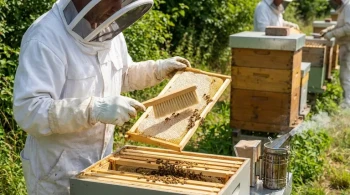
Why Your Bee Brush Might Be Costing You Honey—And the Professional's Approach to a Calmer, More Productive Apiary
Discover why overusing a bee brush agitates hives and hurts your yield. Learn the professional technique for calmer inspections and more efficient harvests.
Read more
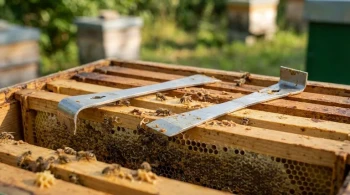
Control vs. Versatility: The Engineering Psychology of Hive Tools
Explore the trade-offs between a frame lifter and a standard hive tool, and how tool choice impacts beekeeper confidence and colony safety.
Read more
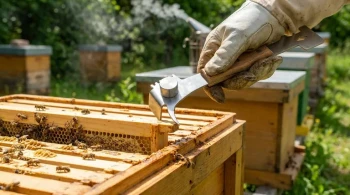
Anatomy of a Hive Tool: The Simple Physics of Calm Beekeeping
Explore how a hive tool's geometry—flat, bent, and hooked—provides mechanical advantages for efficient, gentle, and stress-free hive management.
Read more
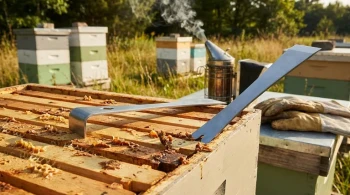
The Unsung Interface: Why a Simple Hive Tool Defines Beekeeping
The beekeeper's hive tool isn't just a pry bar; it's a crucial interface designed to respectfully overcome the bee's powerful propolis engineering.
Read more
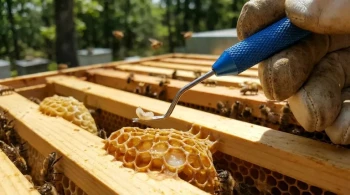
Microsurgery in the Apiary: The Unseen Power of the Queen Grafting Tool
Discover how the queen grafting tool, a microsurgical instrument, gives beekeepers ultimate control over colony genetics and productivity.
Read more
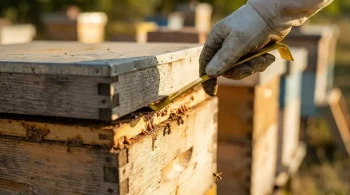
Leverage and Finesse: The Ergonomic Imperative of the Hive Tool
Discover why the 8-10 inch hive tool is the professional standard, balancing the physics of leverage with the psychological need for control.
Read more
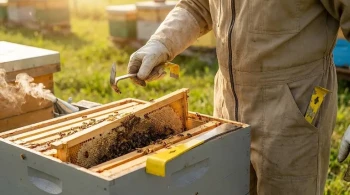
The Unseen Cost of a Single Point of Failure: A Beekeeper's Guide to Hive Tools
Discover why relying on a single hive tool creates a critical failure point in apiary management and how a multi-tool system boosts resilience.
Read more
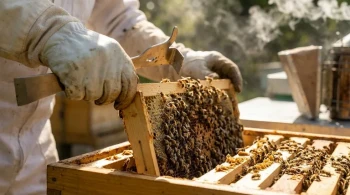
An Extension of the Hand: The Physics and Psychology of the Beekeeper's Hive Tool
Explore the hive tool's design, from the physics of prying propolis to the psychology of a calm inspection. A simple tool for a complex system.
Read more
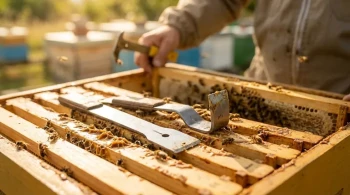
Leverage, Force, and Finesse: An Engineer's Guide to Hive Tool Selection
Choosing between a standard and J-hook hive tool isn't about preference, but understanding the physics of leverage for efficient, gentle beekeeping.
Read more
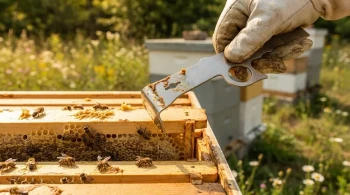
The Physics of Flow: How a Single Hive Tool Redefines the Beekeeper's Workflow
Discover how a multi-functional hive tool reduces cognitive load and streamlines workflow, turning hive management into a single, fluid motion.
Read more
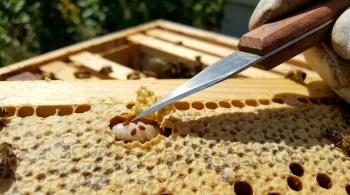
Precision in the Apiary: Transforming a Hive Tool for Varroa Mite Diagnosis
A modified hive tool becomes a diagnostic instrument for precise, low-damage Varroa mite inspections, a cornerstone of proactive colony health.
Read more
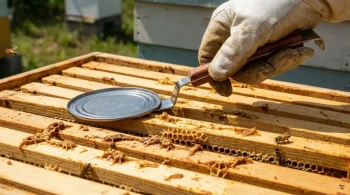
The Physics of Frustration: How a Modified Hive Tool Reveals a Deeper Truth About Apiary Efficiency
Discover how a simple tool modification can overhaul your workflow, reduce hive stress, and reveal the systemic principles of apiary management.
Read more
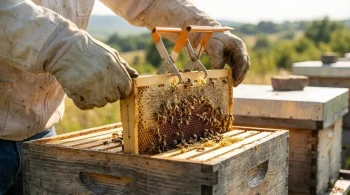
The Human Interface: Why a Beekeeper's Calm is the Ultimate Hive Tool
A beekeeper's internal state directly impacts hive defensiveness. Learn how slow movements and controlled actions create calmer, more productive bees.
Read more
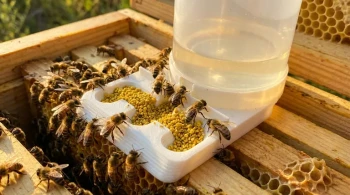
How Brood Behavior Reveals When to Feed Bees to Prevent Summer Migration
Learn how nurse bee behavior signals pollen dearth and prevents summer migration with timed nutritional interventions for beekeepers.
Read more
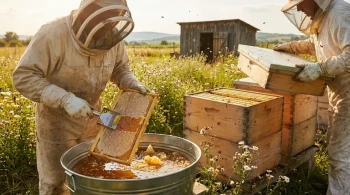
How Bees Manage Sugar During Brood Nest Expansion: Optimizing Hive Productivity
Learn how honeybees relocate sugar during brood nest expansion and discover beekeeping strategies to optimize hive productivity and honey yield.
Read more
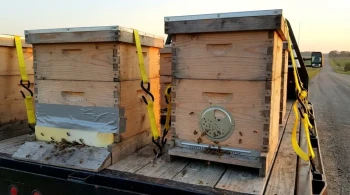
The Silent Killer in Beehive Transport: Why Sealing Your Hives is a Fatal Mistake
Losing bees during transport? Learn why sealing hives is a deadly error and how one simple tool ensures your colony's survival and protects your investment.
Read more
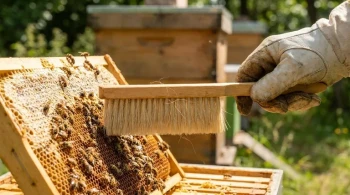
Gentleness Has a Price: The Engineering Trade-off in Bee Brushes
A horsehair bee brush sheds not due to a flaw, but as a trade-off for its superior gentleness. Understand the material science behind your choice.
Read more