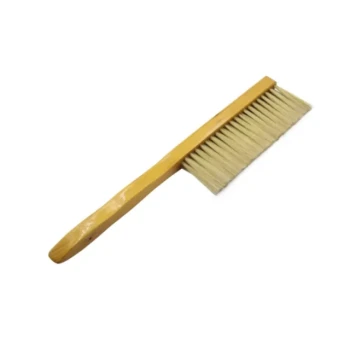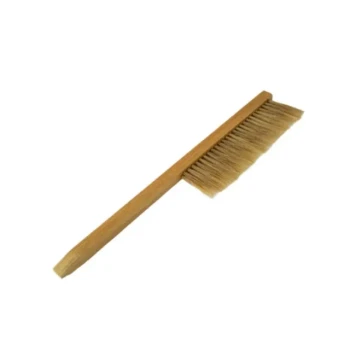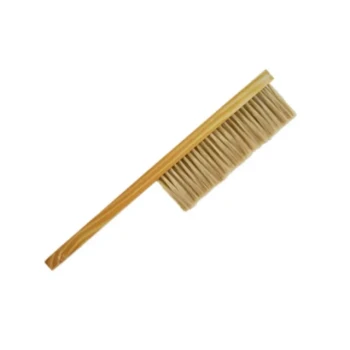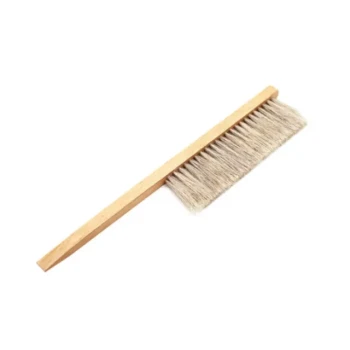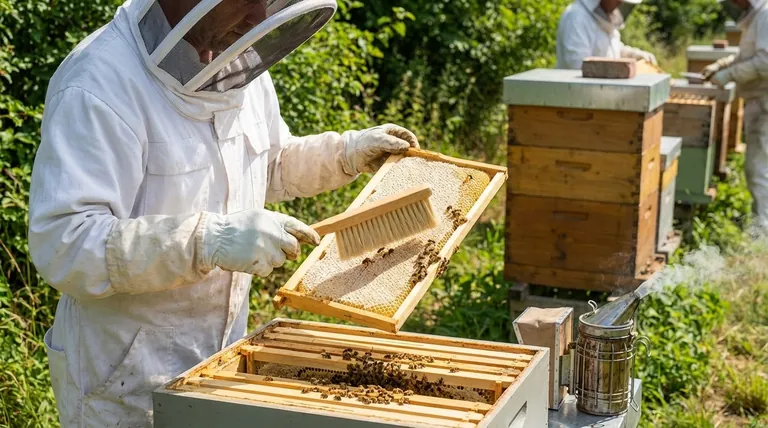
It’s a scenario every commercial beekeeper knows too well. You’re in the middle of a honey harvest, and the clock is ticking. You pull a heavy, dripping frame, covered in a thick blanket of bees. The goal is simple: get the bees off and the honey out. You reach for your bee brush and start sweeping.
But instead of clearing the frame, the hive’s gentle hum escalates into an angry roar. Bees take to the air, your team gets more stings, and the agitation spreads from one hive to the next. What should be a smooth, profitable workflow devolves into a stressful, time-consuming battle. You end the day behind schedule, with lower yields than expected and a team on edge. If this sounds familiar, you're not alone. The problem might lie with one of the simplest tools in your kit: the bee brush.
The Vicious Cycle: More Brushing, More Problems
When faced with agitated hives and inefficient clearing, many operations instinctively try the same-old fixes:
- "We need more smoke." While smoke is essential, using it as a blunt instrument to quell a self-inflicted firestorm is a losing game.
- "Maybe we need a different kind of brush." Switching from one brush to another rarely solves the underlying issue.
- "Our team just needs to be tougher." Pushing through the stings doesn't address the root cause and leads to burnout and safety risks.
These "solutions" miss the point because they only treat the symptoms. The real costs of this cycle are quietly eroding your bottom line:
- Reduced Yield: Agitated bees are not productive bees. They consume more honey stores and are less focused on foraging.
- Increased Labor Costs: A difficult harvest takes more time. Every extra minute spent battling a hive is a direct hit to your operational efficiency.
- Serious Safety Risks: An increase in stings isn't just unpleasant; it's a liability that can impact staff morale and retention.
- Potential Queen Loss: In the chaos of an overly agitated hive, the risk of accidentally rolling, injuring, or killing a queen skyrockets—a catastrophic setback for any colony's productivity.
This isn't just a "bad day at the office." It's an unsustainable operational flaw that prevents your apiary from running like a predictable, scalable business.
The Real Reason Your Hives Are Angry: A Lesson in Bee Psychology
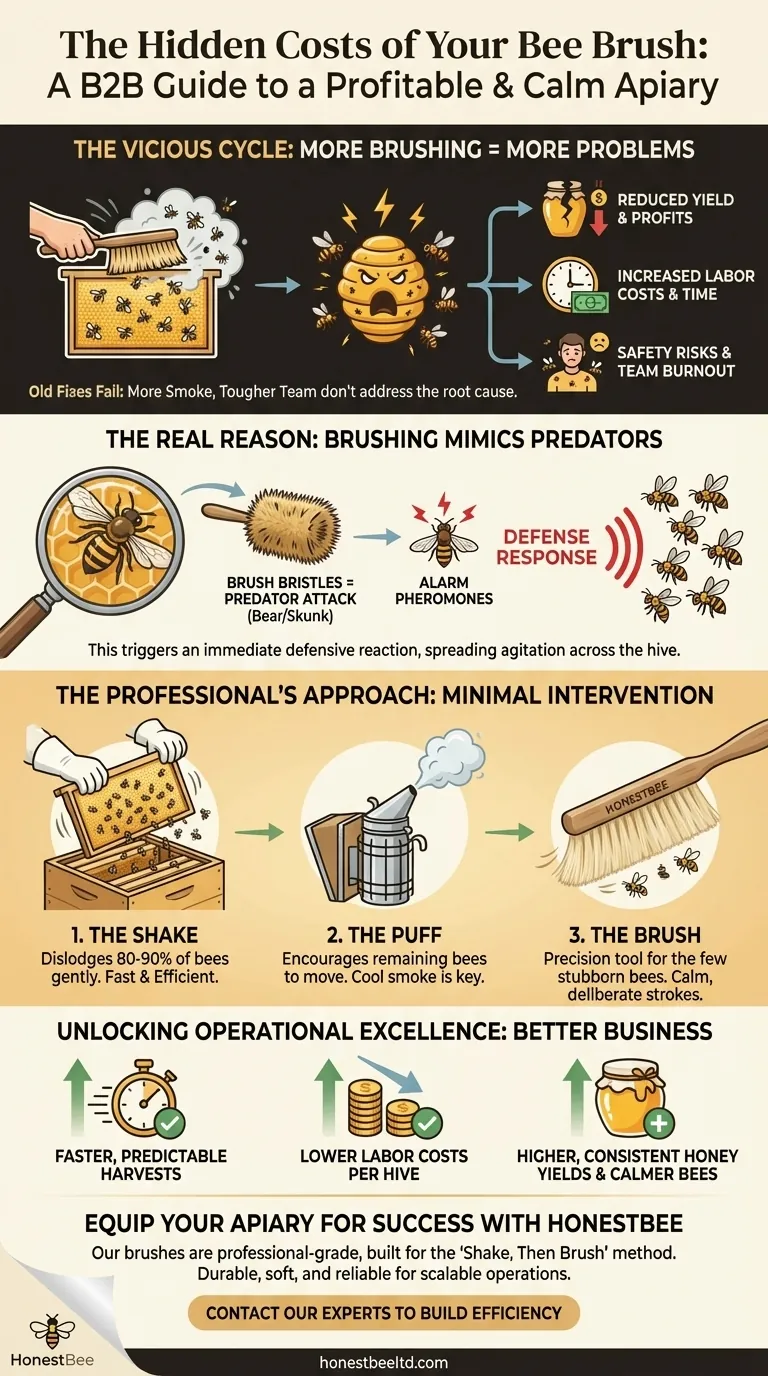
The core of the problem isn't the brush itself; it's the act of brushing. To a honey bee, being scraped off a surface by bristles—no matter how soft—is a deeply unnatural and aggressive event. It mimics the attack of a furry predator like a bear or a skunk.
This action triggers an immediate and powerful defense response. A few brushed bees will release alarm pheromones, which instantly signal danger to the rest of the colony. This is why the agitation spreads so quickly. You aren't just annoying a few bees; you are telling the entire hive that it is under attack.
This is precisely why the "common solutions" fail. Adding more smoke or trying a new brush doesn't change the fact that you are repeatedly provoking a defensive reaction. You are stuck in a loop: you brush, the bees get angry, you use more force or more smoke, and they get even angrier. You are unintentionally creating the very problem you are trying to solve.
The Solution: From 'Broom' to 'Precision Tool'
The secret used by the most efficient commercial apiaries is a simple principle: minimal intervention. Their goal is to keep the bees as calm as possible for as long as possible. The bee brush is not a broom for sweeping masses of bees; it's a precision instrument, a scalpel used only when necessary.
The professional workflow looks like this:
- The Shake: First, hold the frame firmly over the hive and give it a short, sharp shake. This will dislodge 80-90% of the bees, which will fall safely back into their home. It's fast, efficient, and far less irritating to the colony than brushing.
- The Puff: A gentle puff of cool smoke can encourage the remaining bees to move along.
- The Brush: Only now, for the few stubborn bees that remain, do you use the brush. A few calm, deliberate strokes are all that's needed to clear the frame completely.
This "shake, then brush" methodology fundamentally changes the dynamic. You are no longer waging a war against the hive; you are working with their natural tendencies.
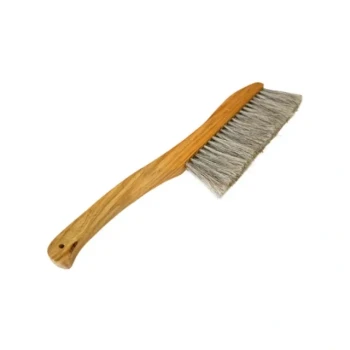
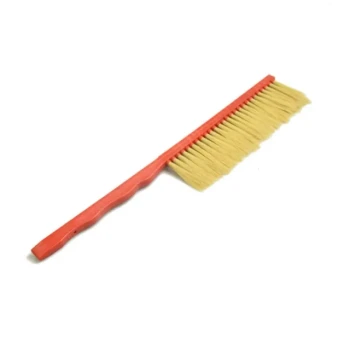
To execute this technique effectively at a commercial scale, you need equipment designed for the job. This is where HONESTBEE comes in. Our products are not just "supplies"; they are components of a professional system. Our bee brushes are built with exceptionally soft bristles, designed to be as gentle as possible for those final, crucial sweeps. They are durable enough to withstand the rigors of a full season's work, ensuring you have a reliable tool when you follow the right process.
Beyond a Calmer Hive: Unlocking Operational Excellence
When you shift your technique from aggressive brushing to a philosophy of minimal intervention, the benefits extend far beyond a quieter apiary. You unlock a new level of operational performance.
Inspections and harvests become faster and more predictable. Your labor costs per hive go down. Your team's safety and confidence go up. Most importantly, your bees remain calmer, healthier, and more productive, leading directly to higher, more consistent honey yields. This isn't just better beekeeping; it's better business. You transform an unpredictable, chaotic task into a streamlined process that can be taught, repeated, and scaled.
Your operation's success depends on efficiency, reliability, and the health of your primary asset—your bees. Stop letting an improper technique and subpar tools dictate your results. It's time to equip your apiary with the professional-grade supplies that support a professional workflow.
If you're ready to move past the cycle of agitation and lost productivity, let's talk about how the right tools and techniques can make your apiary more profitable and scalable. We can help you assess your current operational challenges and recommend the durable, high-quality equipment that will make a tangible difference. Contact Our Experts to build a more efficient future for your business.
Visual Guide
Related Products
- Wooden Bee Brush with Triple Row Artificial Fiber for Beekeeping
- Classic Wooden Bee Brush with Double-Row Boar Bristles
- Double Row Artificial Fiber Bee Brush for Beekeeping
- Wooden Bee Brush with Double-Row Horsehair Bristles
- Premium Triple-Row Horsehair Bee Brush
Related Articles
- Your Bee Brush Is Slowing You Down. Here’s What Commercial Apiaries Use Instead.
- The Silent Profit Killer: Why a Simple Bee Brush Can Make or Break Your Harvest
- The Gentle Command: Why the Bee Brush is a Masterclass in Hive Psychology
- Gentleness Has a Price: The Engineering Trade-off in Bee Brushes
- A Beekeeper's Oath: The Biosecurity and Ethics Engineered into a Bee Brush