The Cognitive Burden of a Simple Task
Imagine standing over an open hive. The air hums with the energy of fifty thousand lives. You're in a full bee suit, the sun is warm, and your goal is simple: inspect the health of the colony, frame by frame.
But the reality of the task is anything but simple. Your hands, encased in thick leather gloves, struggle to find purchase. The frames are welded together with propolis, a resin as strong as it is sticky. Prying one loose with a hive tool is the first step. The second is the awkward, precarious lift.
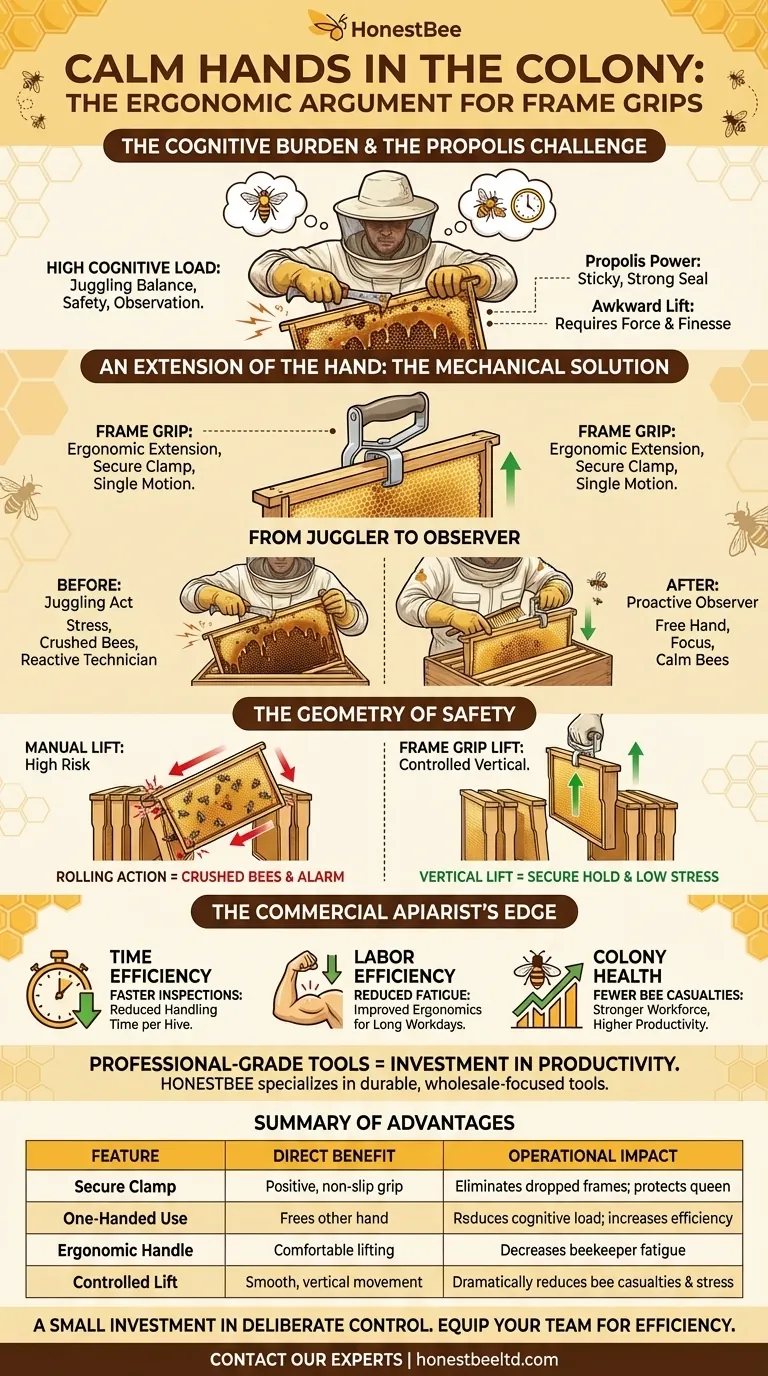
This moment is more than a physical challenge; it's a moment of high cognitive load. You are simultaneously trying to maintain a firm grip, avoid crushing bees, watch for the queen, and prepare for your next action. It's a juggling act that demands your full attention, leaving little mental capacity for what truly matters: observation and analysis.
The Physics of Propolis and Precision
Bees are master engineers. The propolis they use to seal their hive is a formidable material. It requires a sharp, decisive force to break the seal. Once broken, however, the frame—weighing several pounds when full of honey—demands a delicate, steady hand to lift vertically without rolling it against its neighbors.
Achieving this combination of force and finesse with gloved fingers is a significant ergonomic challenge. A slight slip can crush dozens of bees. A dropped frame can send a wave of alarm through the entire colony, turning a peaceful inspection into a defensive event. It's a system that punishes clumsiness.
This is the central problem: the human hand is not perfectly designed for this specific, repetitive, and high-stakes task.
An Extension of the Hand: The Mechanical Solution
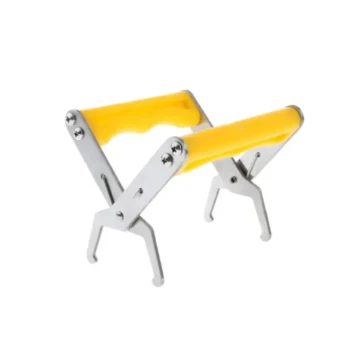
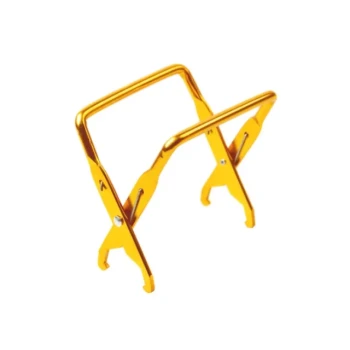
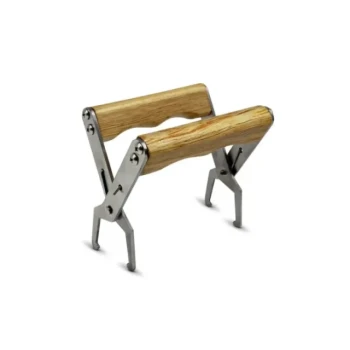
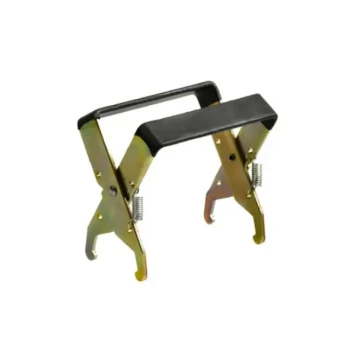
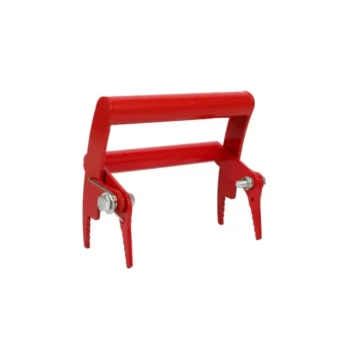
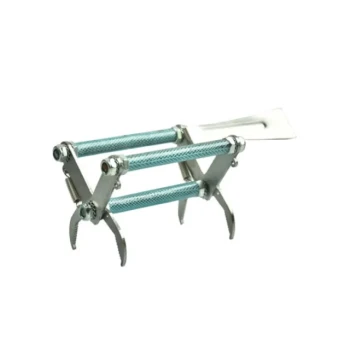
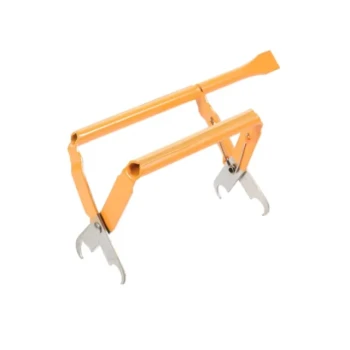
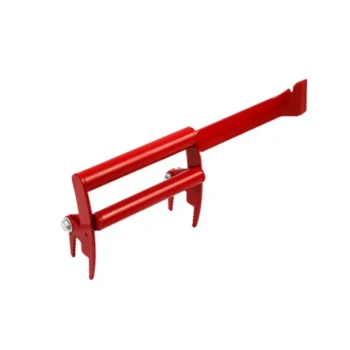
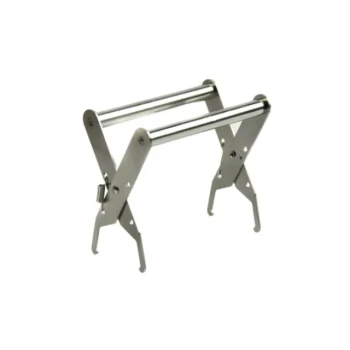
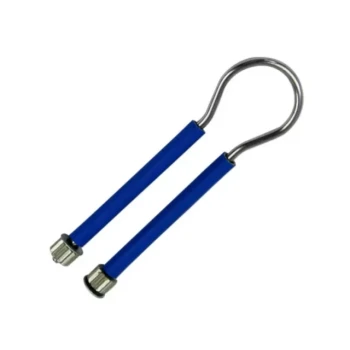
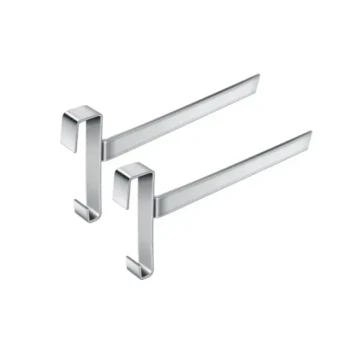
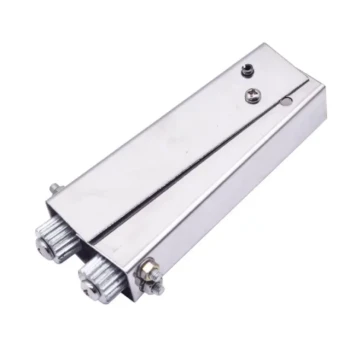
This is where a simple piece of engineering, the frame grip, fundamentally changes the dynamic. It is not just another tool; it is an ergonomic extension of the beekeeper's will.
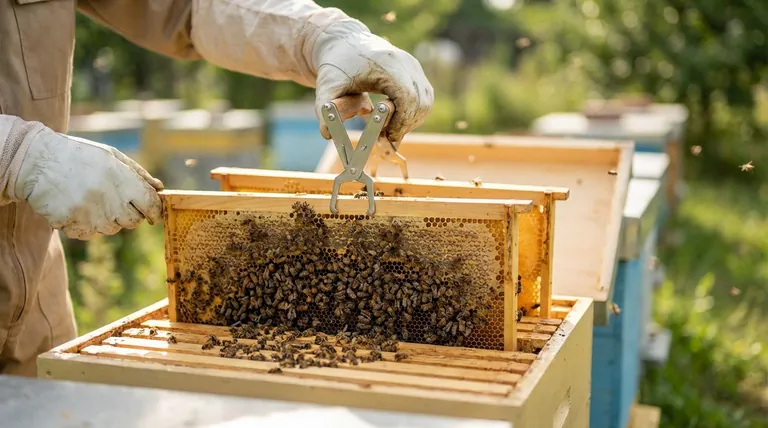
By clamping firmly onto the frame's top bar, the grip translates the awkward, multi-finger balancing act into a single, secure connection. The lift is no longer a question of finger strength and dexterity but a simple, controlled motion from the wrist and arm.
From Juggler to Observer
The most profound benefit is not mechanical, but psychological. A frame grip accomplishes one critical thing: it frees up your other hand.
This seemingly small advantage reduces the cognitive load immensely. You are no longer juggling. With one hand securely holding the frame, the other is free to hold a bee brush, point out a queen cell to a trainee, or simply steady the hive box.
Your mental state shifts from being a reactive technician struggling with a component to a proactive observer interpreting the system. You can focus on reading the story of the comb, not on the mechanics of holding it.
The Geometry of Safety
A frame grip also imposes a discipline of movement. Its design encourages a straight, vertical lift. This simple geometric constraint is a powerful tool for bee safety.
- Vertical Lift: It minimizes the "rolling" action that squashes bees between adjacent frames.
- Secure Hold: It prevents the sudden slips or drops that can injure the queen and agitate the colony.
- Deliberate Motion: The tool allows for smoother, calmer, and more deliberate movements, which keeps the bees' stress levels low.
The Logic of Specialization: Is It For You?
While a hive tool and smoker are non-negotiable, the frame grip is a tool of specialization. Its value is directly proportional to your goals. For the hobbyist with one or two hives, finger-lifting may become a point of pride.
But when the scale of the operation grows, efficiency and safety cease to be preferences and become critical metrics.
The Commercial Apiarist's Edge
For commercial apiaries and beekeeping equipment distributors, every second and every bee counts. The marginal gains offered by a frame grip compound powerfully across hundreds of hives and thousands of inspections.
- Time Efficiency: Faster, more secure handling reduces inspection time per hive.
- Labor Efficiency: Reduced physical strain and improved ergonomics lessen beekeeper fatigue over long workdays.
- Colony Health: Minimizing bee casualties isn't just ethical; it's good business. A stronger workforce means a more productive colony.
For operations at this scale, professional-grade tools are not an expense; they are an investment in productivity. HONESTBEE specializes in supplying these durable, wholesale-focused tools that are built to withstand the rigors of commercial use.
Summary of Advantages
| Feature | Direct Benefit | Operational Impact |
|---|---|---|
| Secure Clamp | Positive, non-slip grip on the frame | Eliminates dropped frames; protects the queen. |
| One-Handed Use | Frees the other hand for secondary tasks | Reduces cognitive load; increases efficiency. |
| Ergonomic Handle | Comfortable and less strenuous lifting | Decreases beekeeper fatigue and physical strain. |
| Controlled Lift | Enables smooth, vertical movement | Dramatically reduces bee casualties and stress. |
A Small Investment in Deliberate Control
Ultimately, a frame grip is an investment in control. It provides mechanical control over the frame, which in turn gives you greater mental control over the inspection. It allows you to work more deliberately, safely, and efficiently, fostering a calmer environment for both you and the bees.
For serious beekeeping operations where performance is key, equipping your team with the right tools is the first step toward a more productive and sustainable apiary. To ensure your operation is built on a foundation of efficiency and bee safety, Contact Our Experts
Visual Guide
Related Products
- Ergonomic High Visibility Plastic Frame Grip Handles
- Durable Galvanized Steel Frame Grip
- Lightweight Aluminum Frame Grip
- Premium Frame Grip with Ergonomic Wood Handles
- Durable Rubberized Comfort Handle Frame Grip
Related Articles
- The One-Handed Lift: Why a Simple Frame Grip is Your Apiary's Most Underrated Productivity Tool
- Beyond the Clamp: The Frame Grip as an Instrument of Calm and Precision
- The Psychology of Control: Why a Frame Grip is a Masterclass in Hive Management
- Your Frame Grip Might Be Costing You Thousands: The Hidden Link Between Tool Hygiene and Apiary Collapse
- How Frame Grips Enhance Bee Welfare and Beekeeper Efficiency