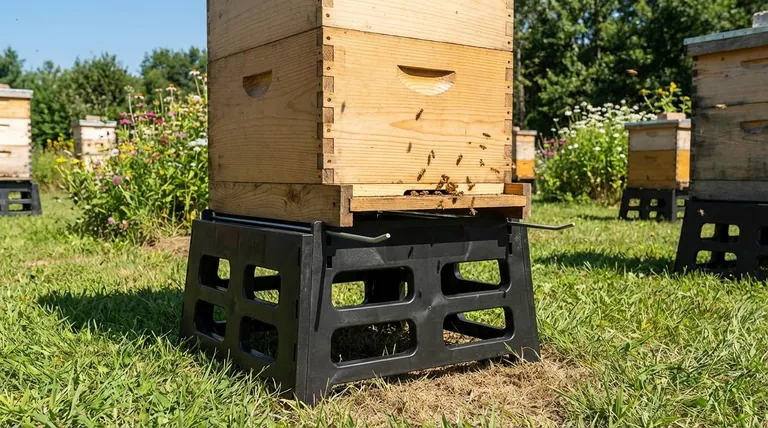
Modern beekeeping demands more than just hives and honey supers—it requires strategic infrastructure. Hive stands, often overlooked, serve as your first line of defense against colony collapse. Research shows elevated hives can reduce pest infestations by disrupting climbing patterns and mitigate moisture-related diseases by improving airflow.
Why Hive Stands Are Essential for Modern Beekeeping
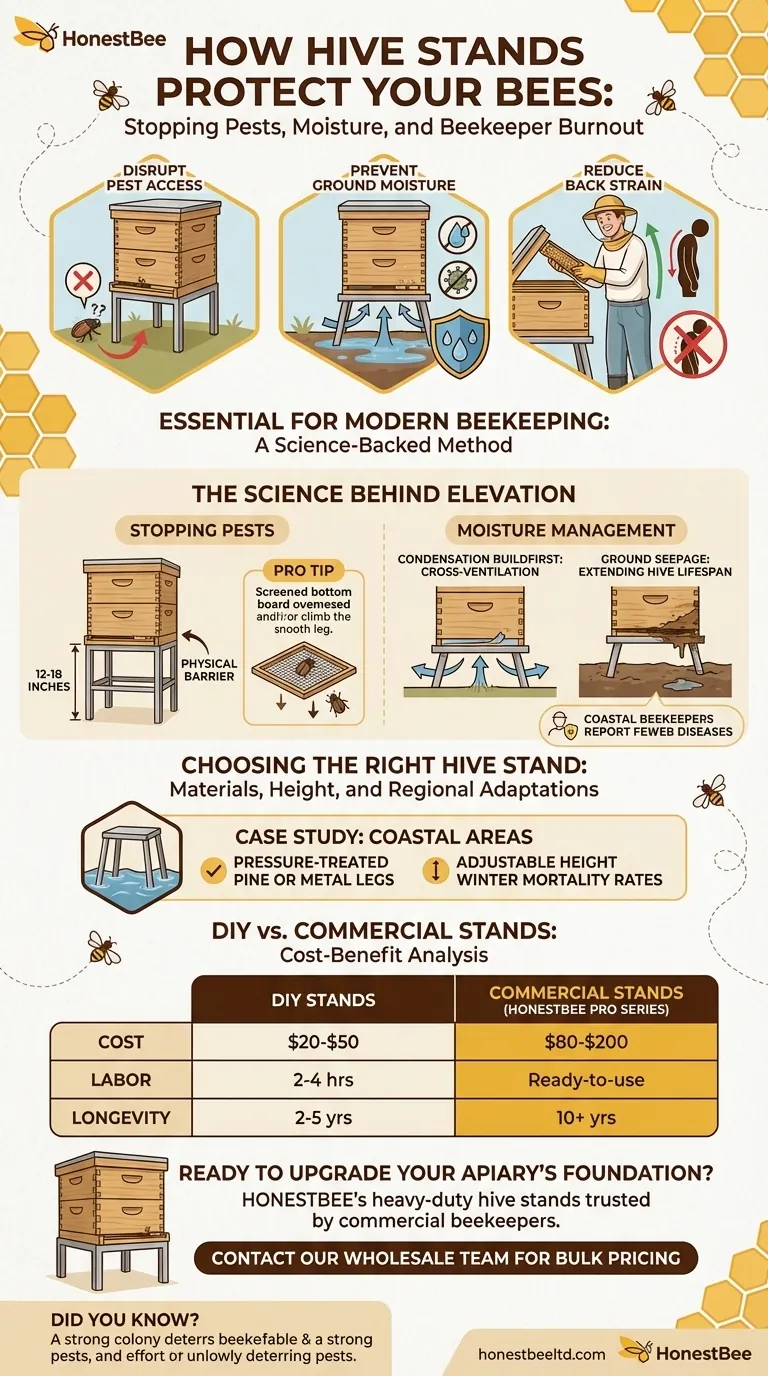
Beekeepers who skip stands risk exposing colonies to ground-level threats. Elevating hives isn’t just about convenience; it’s a science-backed method to:
- Disrupt pest access (like small hive beetles that struggle with vertical climbs)
- Prevent ground moisture from rotting wooden hive components
- Reduce back strain during inspections (a leading cause of beekeeper fatigue)
The Science Behind Elevation: Stopping Pests Before They Climb
Pests rely on ground contact to invade hives. Studies indicate that small hive beetles, for instance, are less likely to infest elevated colonies. While exact height recommendations vary, stands typically elevate hives at least 12–18 inches off the ground. This creates a physical barrier that:
- Forces pests to expend energy climbing, making them easier for bees to detect and eject
- Allows beekeepers to spot and remove ground-level beetle traps more efficiently
Pro Tip: Pair stands with screened bottom boards to enhance pest control—beetles fall through the screen and can’t easily reclimb.
Moisture Management: Preventing Rot and Disease at the Root
Hive stands combat two moisture-related threats:
- Condensation buildup: Elevated hives benefit from cross-ventilation, reducing "damp hive syndrome" linked to fungal infections.
- Ground seepage: In rainy regions, stands prevent wood from absorbing soil moisture, extending hive lifespan by years.
Coastal beekeepers report fewer instances of chalkbrood and nosema after switching to stands with galvanized legs (resistant to saltwater corrosion).
Choosing the Right Hive Stand: Materials, Height, and Regional Adaptations
Case Study: How Beekeepers in Coastal Areas Reduced Hive Losses by 40%
Anecdotal evidence from Gulf Coast apiaries reveals that stands with:
- Pressure-treated pine or metal legs (avoiding rust-prone materials)
- Adjustable height (to accommodate seasonal flooding)
… lowered winter mortality rates significantly. The elevation kept hives dry during storm surges, while metal components resisted salt damage.
DIY vs. Commercial Stands: Cost-Benefit Analysis for Small-Scale Keepers
| Factor | DIY Stands | Commercial Stands (e.g., HONESTBEE’s Pro Series) |
|---|---|---|
| Cost | $20–$50 (materials) | $80–$200 (pre-built durability) |
| Labor | 2–4 hours assembly | Ready-to-use |
| Longevity | 2–5 years (wood) | 10+ years (powder-coated metal) |
For hobbyists: DIY works for temporary setups. For commercial operations: Invest in commercial-grade stands to avoid replacement costs and hive disturbances.
Ready to upgrade your apiary’s foundation? HONESTBEE’s heavy-duty hive stands are trusted by commercial beekeepers to withstand extreme weather and pest pressures. [Contact our wholesale team] today for bulk pricing—protect your colonies with equipment built to last.
Did You Know? A single strong colony can deter up to 90% of small hive beetle invasions. Pair robust bees with the right stand, and pests won’t stand a chance.
Visual Guide
Related Products
- Metal Hive Feet Bee Hive Stand for Ant Protection
- Plastic Bee Hive Stand for Beekeeping
- Metal Bee Hive Stand Bee Box Stand for Beekeeping
- Professional Ant-Proof Beehive Stand with Integrated Moat for Beekeeping
- Plastic Bee Frame Beekeeping Hive Frames for Wholesale
Related Articles
- How to Stabilize Beehive Stands in Wet Soil: Proven Techniques for Beekeepers
- How to Choose and Install a Beehive Stand for Pest Control and Colony Health
- The Unseen Foundation: Why a Beehive Stand Dictates Your Apiary's Success
- Beyond the Box: How a Simple Stand Prevents Compounding Failures in Beekeeping
- The Unseen Architecture of a Productive Apiary: Why Your Beehive Stand Height is a System Design Choice