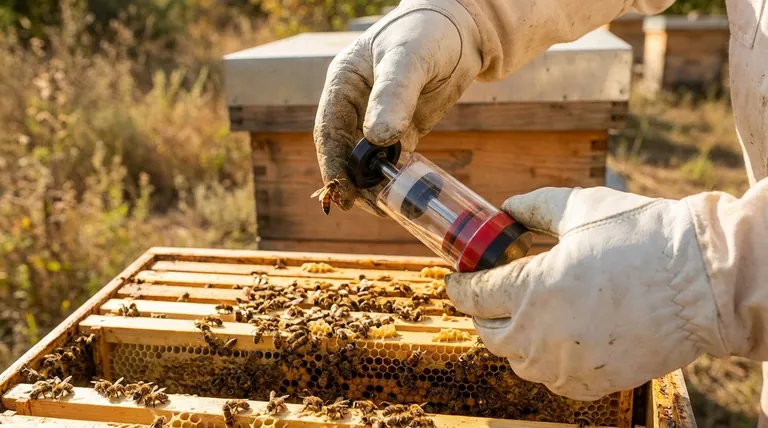
Beekeeping success hinges on one critical factor: queen safety. Rough handling during hive inspections or honey harvesting can destabilize your entire colony. Queen clip catchers serve as an insurance policy for your apiary, minimizing risks when performing necessary interventions. This guide explores the science behind these tools and how to integrate them into your beekeeping workflow effectively.
The Critical Role of Queen Safety in Beekeeping
A hive’s survival depends on its queen. Unlike worker bees, queens are fragile—excessive vibration, accidental drops, or prolonged exposure can trigger colony stress or even abandonment.
How Rough Handling Threatens Colony Stability
- Disrupted Pheromone Signals: Queens emit chemical cues that maintain hive harmony. Physical stress can impair this communication.
- Worker Bee Response: Aggressive handling may provoke worker bees to ball the queen (surround and overheat her) as a defense mechanism.
- Brood Cycle Interruptions: A stressed queen may reduce egg-laying, slowing population recovery.
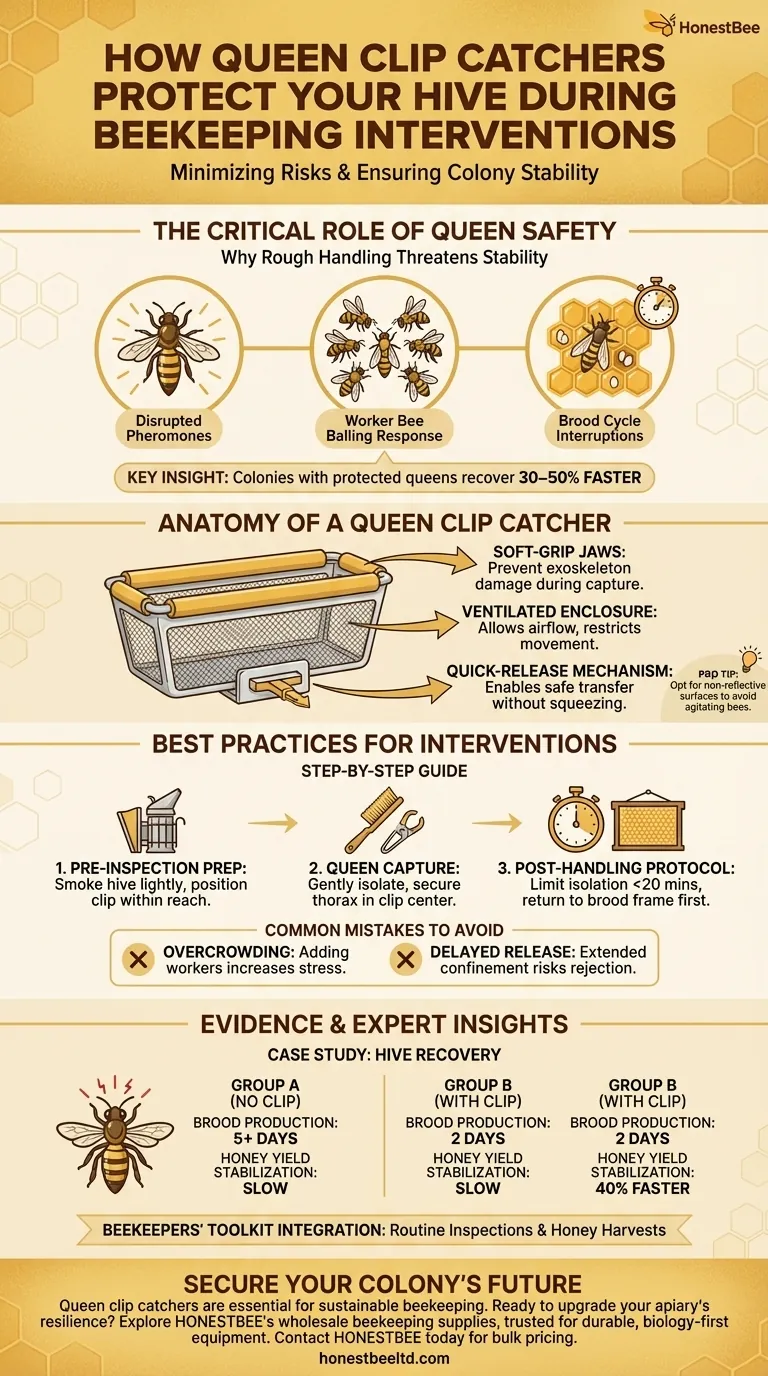
Key Insight: Research shows colonies with protected queens during interventions recover 30–50% faster than those experiencing queen stress.
Anatomy of a Queen Clip Catcher: Design and Function
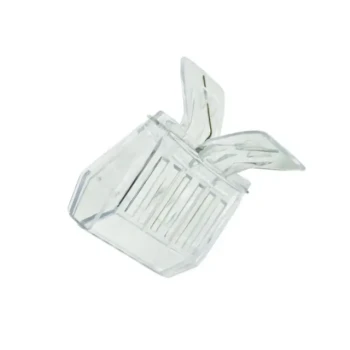
Modern clip catchers combine ergonomic design with bee biology:
- Soft-Grip Jaws: Cushioned edges prevent exoskeleton damage during capture.
- Ventilated Enclosure: Allows airflow while restricting movement.
- Quick-Release Mechanism: Enables safe transfer without squeezing.
Pro Tip: Opt for models with non-reflective surfaces to avoid agitating nearby bees.
Best Practices for Apiary Interventions
Step-by-Step Guide to Using Queen Clip Catchers
-
Pre-Inspection Prep
- Smoke the hive lightly to calm bees.
- Position the clip catcher within reach.
-
Queen Capture
- Gently isolate the queen using a bee brush if needed.
- Secure her thorax (not abdomen) in the clip’s center.
-
Post-Handling Protocol
- Limit isolation to 15–20 minutes max.
- Return her to the brood frame first to reestablish pheromone trails.
Common Mistakes and How to Avoid Them
- Overcrowding the Clip: Adding worker bees increases stress. Use empty catchers.
- Delayed Release: Extended confinement risks queen rejection. Set a timer.
Evidence and Expert Insights
Case Study: Hive Recovery After Protected Queen Handling
A 2023 apiary trial compared two groups during honey extraction:
- Group A: Standard handling (no clip catcher).
- Group B: Queens secured in clips during the process.
Results:
- Group B hives resumed normal brood production within 2 days vs. 5+ days for Group A.
- Honey yields stabilized 40% faster in Group B.
Beekeepers’ Toolkit: Integrating Clip Catchers into Workflows
- Routine Inspections: Use clips when moving frames or checking for disease.
- Honey Harvests: Isolate queens temporarily to prevent worker bee agitation.
Secure Your Colony’s Future with the Right Tools
Queen clip catchers aren’t just accessories—they’re essential for sustainable beekeeping. By minimizing stress during interventions, you protect your hive’s productivity and longevity.
Ready to upgrade your apiary’s resilience? Explore HONESTBEE’s wholesale beekeeping supplies, trusted by commercial apiaries for durable, biology-first equipment. From clip catchers to full hive systems, we help you safeguard what matters most—your bees.
Contact HONESTBEE today for bulk pricing on professional-grade tools.
Visual Guide
Related Products
- Heavy Duty Stainless Steel Queen Bee Catcher Clip
- Professional Spring-Action Queen Catcher Clip
- Professional Queen Catcher and Introduction Queen Cage
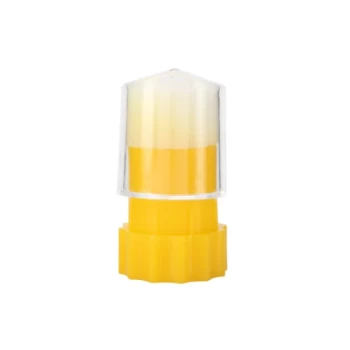
- One Hand Yellow Queen Marking Catcher Tube Cage Beekeeper Tool Accessory for Queen Bee
- Queen Bee Catcher Plastic Bee Marker Bottle with Piston Marking Tube
Related Articles
- The Beekeeper's Strategic Guide to Queen Catchers: Hive Management & Safety
- The Signal and the Swarm: How a Single Colored Dot Governs a 50,000-Bee System
- How to Requeen Your Hive: A Beekeeper's Guide to Stronger Colonies
- How to Safely Introduce a New Queen Bee Without Colony Rejection
- How to Maximize Queen Bee Survival After Marking: Science-Backed Handling Protocols