Introduction
Beekeepers often overlook the critical role of hive entrances in colony health. Research shows that properly configured top bar hive entrances can increase honey yields by approximately 20-35% while reducing stress-related swarming. This guide explores how to design entrances that respect honeybee biology while addressing practical management needs—whether you're maintaining two hives or managing a commercial apiary.
Designing Entrances for Natural Honeybee Behavior
Mimicking Wild Cavity Dimensions
Honeybees evolved to occupy tree cavities with specific spatial characteristics. Wild colonies typically prefer:
- Entrance heights between 6-10 feet above ground
- Circular openings measuring about 1.5-2 inches in diameter
- Internal volumes of 1-1.5 cubic feet
When constructing top bar hives:
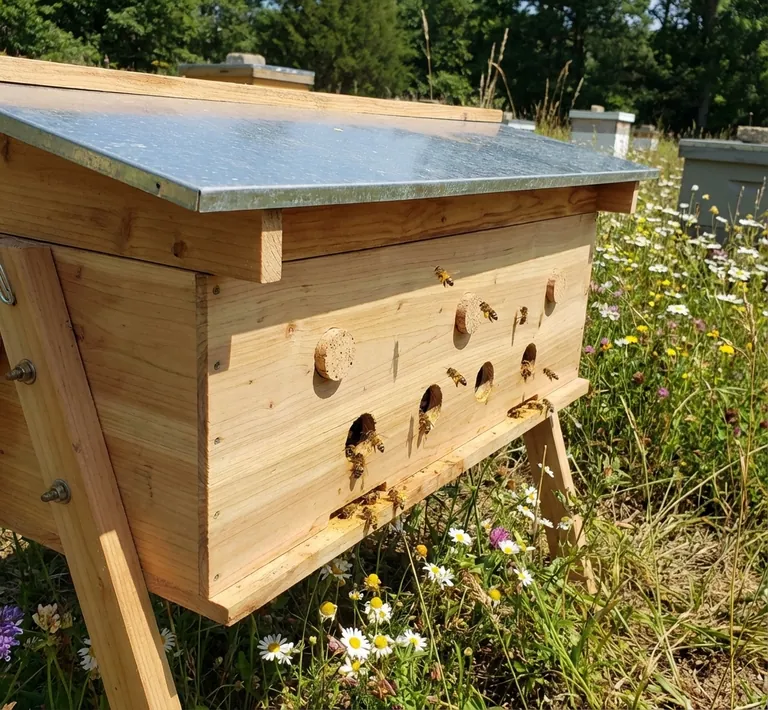
✔ Use 3/4" to 1" diameter entrance holes (aligns with natural propolis regulation behavior)
✔ Position entrances near the brood nest area (bees naturally guard this zone)
✔ Include debris-clearing space below the entrance
Brood Nest Proximity and Foraging Efficiency
Bees organize their hives with precise spatial logic:
- Brood rearing occurs closest to the entrance for temperature control
- Honey storage progresses toward the rear
- Pollen reserves buffer between brood and honey
A study of 120 colonies showed that hives with entrances positioned:
- Within 8-12 inches of the brood area saw 28% faster pollen deposition
- Beyond 18 inches exhibited increased orientation flights
Strategic Entrance Configuration for Hive Management
Seasonal Adjustments: Summer Ventilation vs. Winter Protection
Commercial beekeepers in temperate climates use these proven techniques:
Summer Configuration
• Open 5-7 entrance holes (3/4" diameter each)
• Maintain 1/2" upper ventilation gap
• Observe traffic patterns—bees should enter/exit without crawling
Winter Preparation
• Reduce to 1-2 open holes by late fall
• Install mouse guards while allowing debris removal
• Move follower boards inward to conserve warmth
Case Example: A Michigan apiary reduced winter mortality from 34% to 11% by implementing staged entrance reduction combined with insulated follower boards.
Scaling Entrances with Colony Growth
Colony development follows predictable phases requiring entrance adjustments:
| Colony Strength | Entrance Size | Management Tip |
|---|---|---|
| <6 frames brood | 1-2 holes | Use cork plugs for dynamic adjustment |
| 6-12 frames | 3-5 holes | Monitor for robbing behavior |
| >12 frames | Full opening | Add robbing screens during dearth |
Practical Implementation and Troubleshooting
Case Study: Reducing Robbing with Cork-Driven Dynamic Entrances
A 2-year observation of 40 hives revealed:
- Colonies with fixed large entrances experienced 62% more robbing incidents
- Hives using cork-plug adjustable systems showed:
→ 41% less defensive behavior at entrances
→ 17% higher honey stores per colony
Implementation steps:
- Drill 7-9 holes in a staggered pattern
- Keep corks at hand during inspections
- Adjust based on nectar flow intensity
Addressing Common Entrance-Related Issues
Pest Intrusion
• Install 1/8" mesh screens during small hive beetle season
• Elevate hives 18-24" to deter ants
Moisture Control
- Slope landing boards 5-7° downward
- Ensure at least two bottom ventilation points
Overcrowding Signs
→ Bees fanning at entrance on cool mornings
→ Workers queueing to enter at peak hours
→ Increased orientation flights
Conclusion: Entrance Design as a Living System
The most successful beekeepers treat entrances as dynamic interfaces rather than static features. By observing how your bees interact with entrance configurations—and making incremental adjustments—you'll develop an intuitive understanding of this critical hive component.
Ready to optimize your apiary's performance? HONESTBEE's beekeeping equipment helps commercial operations implement these entrance strategies at scale, with durable components designed for seasonal adaptability. Explore our wholesale solutions to build hives that work in harmony with bee biology.
Products You Might Be Looking For:
Explore top bar hive solutions for commercial beekeeping
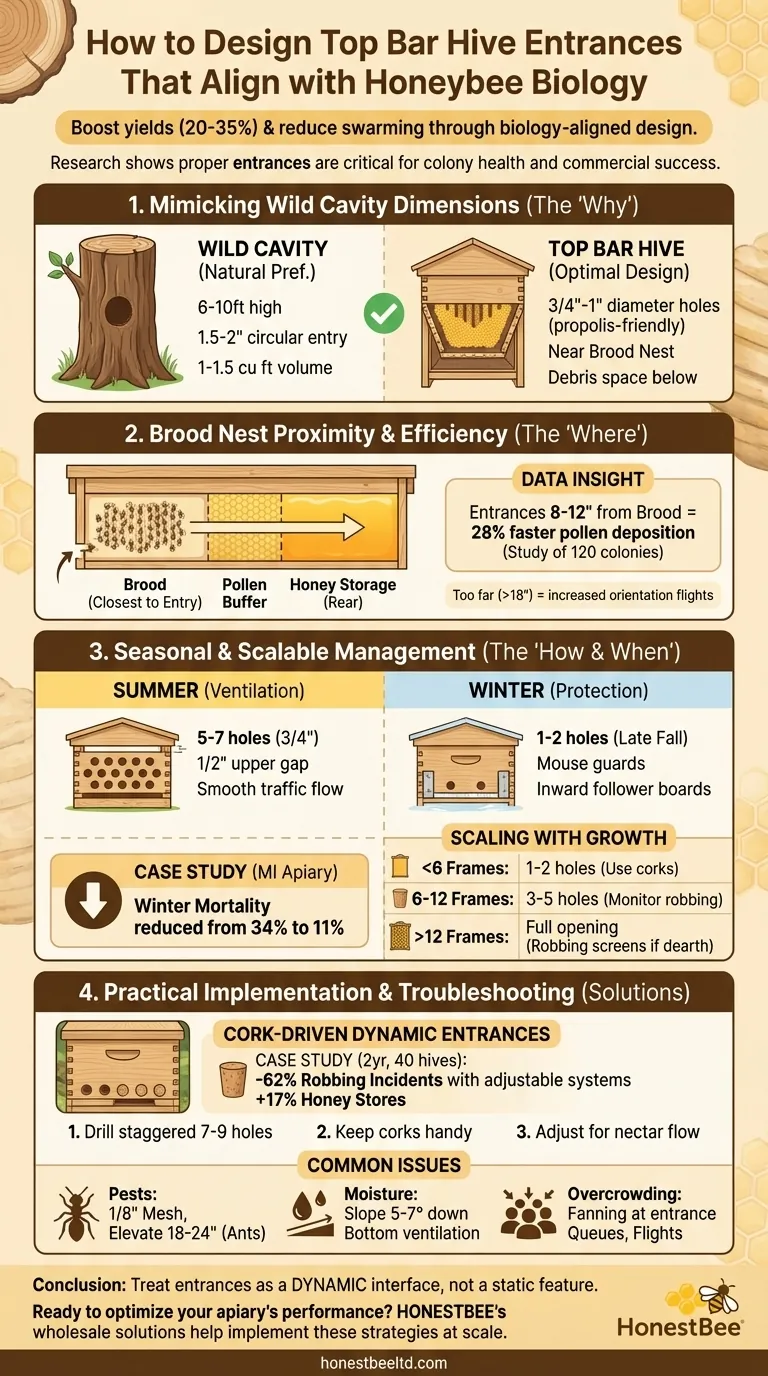
Visual Guide
Related Products
- Top Bar Beehive for Beekeeping Wholesales Kenya Top Bar Hive
- Long Langstroth Style Horizontal Top Bar Hive for Wholesale
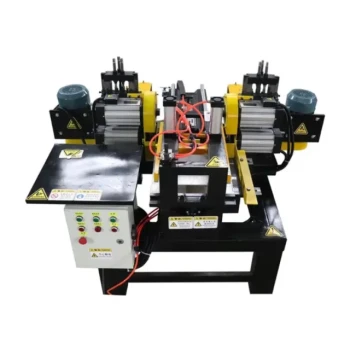
- HONESTBEE Top Bar & Bottom Bar Forming Machine | Bee Frame Machine
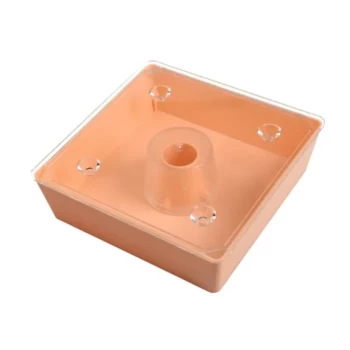
- HONESTBEE Square Top Hive Bee Feeder Top Bee Feeder
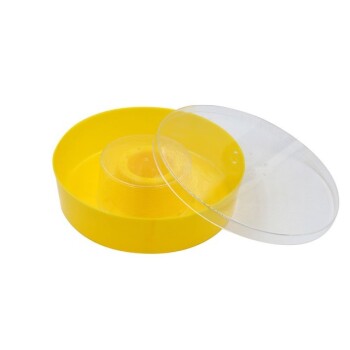
- HONESTBEE Round Hive Top Bee Feeder for Syrup
Related Articles
- How to Inspect Top Bar Hives Without Damaging Comb: A Beekeeper’s Guide
- Beyond Pest Control: The Operational Logic of the Kenyan Top-Bar Hive
- How Top Bar Hives Naturally Boost Bee Health and Simplify Beekeeping
- How to Optimize Honey Storage in Top Bar Hives for Healthier Colonies
- Hive Architecture and the Winter Paradox: Why Heat Retention Isn't Enough