Winter hive insulation isn't just about warmth—it's a delicate balancing act between heat retention and moisture control. This guide unpacks material science and microclimate adaptation strategies proven by commercial apiaries worldwide.
Winter Hive Insulation Essentials
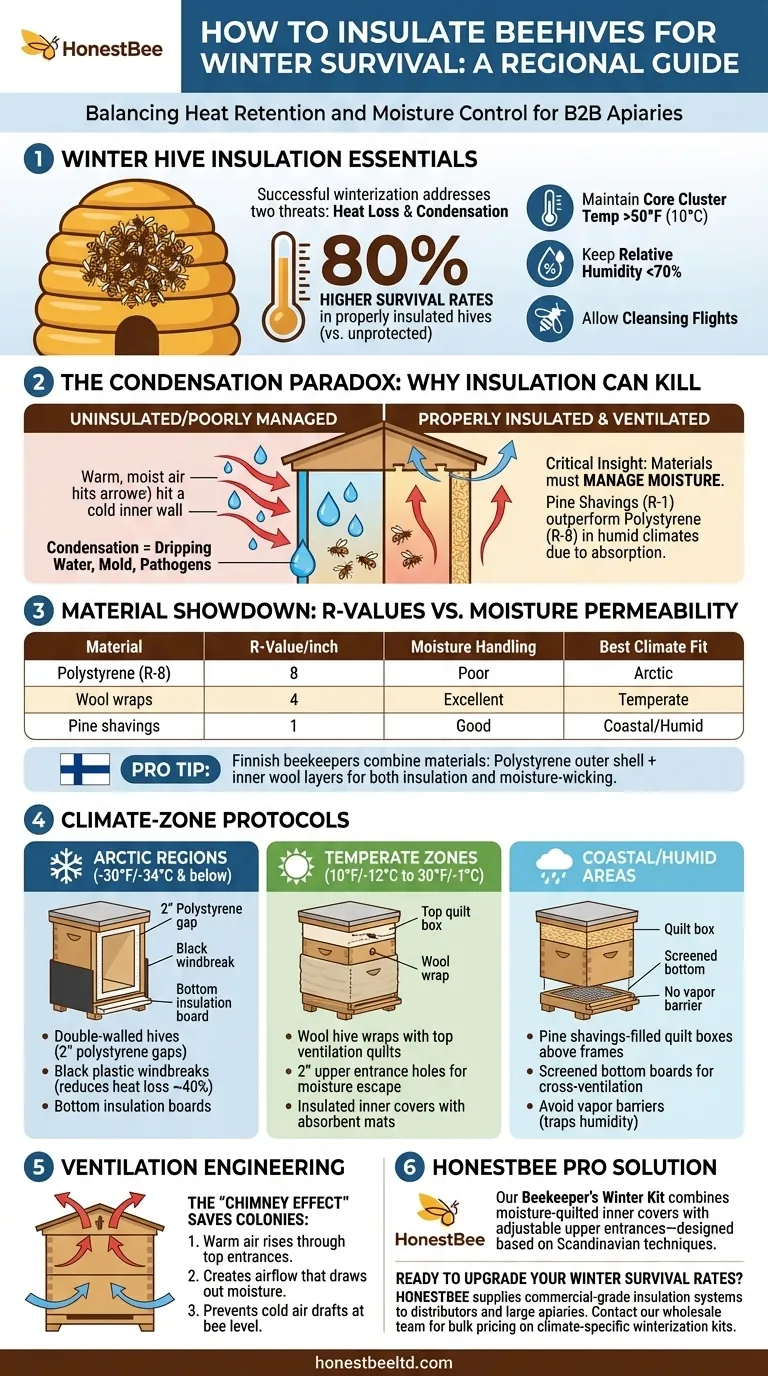
Successful winterization addresses two competing threats: heat loss that starves clusters and condensation that triggers mold or dysentery. Research shows colonies in properly insulated hives have over 80% higher survival rates compared to unprotected colonies.
Key objectives:
- Maintain core cluster temperature above 50°F (10°C)
- Keep relative humidity under 70% inside the hive
- Allow cleansing flights without excessive heat loss
The Condensation Paradox: Why Insulation Can Kill Colonies
Many beekeepers unknowingly create saunas inside their hives. When warm, moist air from the bee cluster hits cold inner walls, water droplets form—dripping onto bees and promoting pathogen growth.
Critical insight: The best insulating materials must also manage moisture. Pine shavings (R-1 per inch) outperform polystyrene (R-8) in humid climates because their fibrous structure absorbs and redistributes moisture.
Material Showdown: R-Values vs. Moisture Permeability
| Material | R-Value/inch | Moisture Handling | Best Climate Fit |
|---|---|---|---|
| Polystyrene | 8 | Poor | Arctic |
| Wool wraps | 4 | Excellent | Temperate |
| Pine shavings | 1 | Good | Coastal/Humid |
Data from commercial apiary trials
Pro Tip: Finnish beekeepers combine materials—using polystyrene outer shells with inner wool layers—to leverage both insulation and moisture-wicking properties.
Climate-Zone Protocols
Arctic Regions (-30°F/-34°C and below)
- Double-walled hives with 2" polystyrene gaps
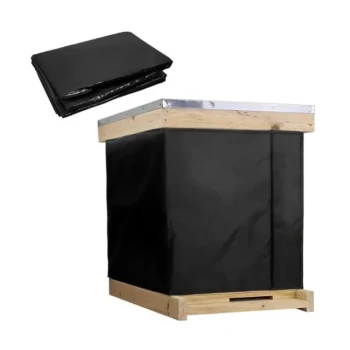
- Black plastic windbreaks (reduces heat loss by ~40%)
- Bottom insulation boards prevent ground chill
Temperate Zones (10°F/-12°C to 30°F/-1°C)
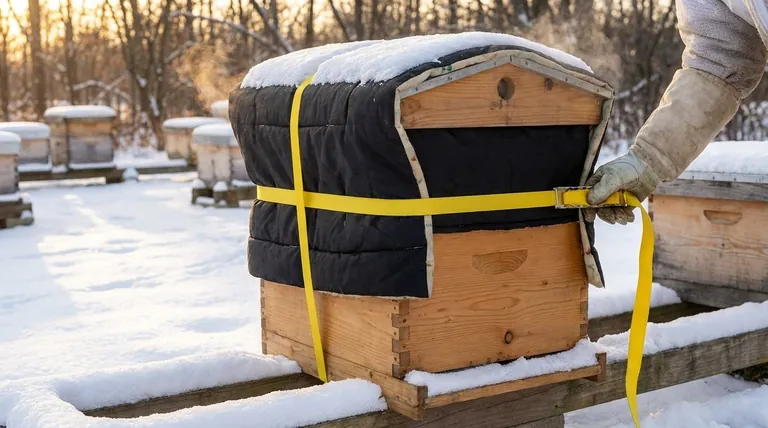
- Wool hive wraps with top ventilation quilts
- 2" upper entrance holes for moisture escape
- Insulated inner covers with absorbent mats
Coastal/Humid Areas
- Pine shavings-filled quilt boxes above frames
- Screened bottom boards for cross-ventilation
- Avoid vapor barriers—they trap humidity
Ventilation Engineering
The "chimney effect" saves colonies:
- Warm air rises through top entrances
- Creates airflow that draws out moisture
- Prevents cold air drafts at bee level
HONESTBEE Pro Solution: Our Beekeeper's Winter Kit combines moisture-quilted inner covers with adjustable upper entrances—designed based on Scandinavian wintering techniques.
Ready to upgrade your winter survival rates? HONESTBEE supplies commercial-grade insulation systems to distributors and large apiaries—helping protect your investment through science-backed hive microclimate control. Contact our wholesale team for bulk pricing on climate-specific winterization kits.
Visual Guide
Related Products
- Professional Insulated Plastic Bee Hives
- Professional Insulated Winter Hive Wrap for Beekeeping
- Inner Beehive Cover for Beekeeping Bee Hive Inner Cover
- Stainless Steel Round Beehive Air Vents for Ventilation
- Metal Hive Feet Bee Hive Stand for Ant Protection
Related Articles
- Plastic Bee Hives: A Smart Investment for Modern Beekeepers
- How to Optimize Beehive Insulation: A Data-Driven Guide for Beekeepers
- The Engineer's Guide to Wintering Beehives: Why Moisture, Not Cold, is the Enemy
- How to Time Hive Insulation for Maximum Winter Bee Survival
- Beyond Warmth: The Critical Thermodynamics of Wintering Honey Bees