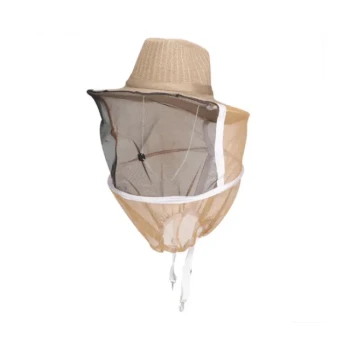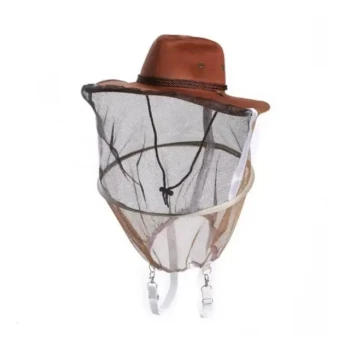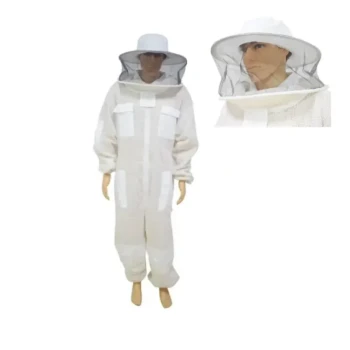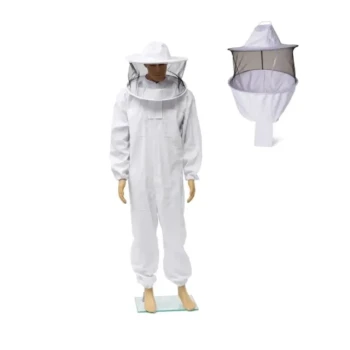
Beekeeping demands more than just courage—it requires smart gear choices. The right veil and hat combination doesn’t just shield you from stings; it enhances visibility, comfort, and long-term durability. This guide breaks down how wire vs. fabric veils and ergonomic hat designs create a synergistic defense system, backed by insights from commercial beekeepers and ergonomic research.
Choosing the Safest Bee Veil
Why Veil-Face Distance is Non-Negotiable
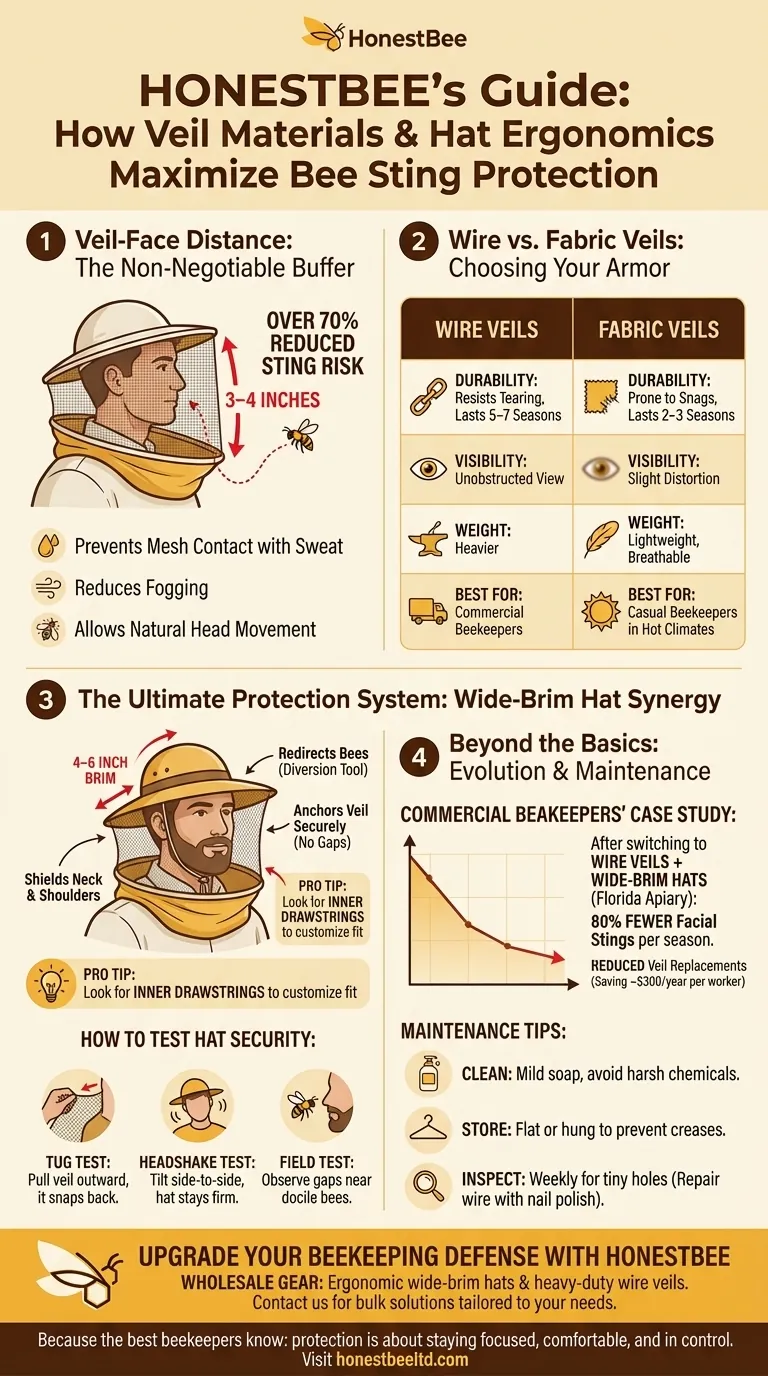
A veil’s primary job is to keep bees away from your skin without obstructing movement or vision. Research shows that 3–4 inches of space between the veil and face reduces sting risk by over 70%. This buffer prevents bees from pressing against the mesh, even during aggressive hive inspections.
Key benefits of proper spacing:
- Prevents mesh contact with sweat (bees are attracted to moisture)
- Reduces fogging by improving airflow
- Allows natural head movement without fabric clinging
Wire vs. Fabric: Durability and Visibility Tradeoffs
| Feature | Wire Veils | Fabric Veils |
|---|---|---|
| Durability | Resists tearing; lasts 5–7 seasons | Prone to snags; lasts 2–3 seasons |
| Visibility | Unobstructed view (no fabric drape) | Slight distortion at close range |
| Weight | Heavier (may strain neck over time) | Lightweight, breathable |
Best for wire veils: Commercial beekeepers who prioritize longevity.
Best for fabric veils: Casual beekeepers valuing comfort in hot climates.
Building the Ultimate Protection System
The Role of Wide-Brim Hats in Redirecting Bees
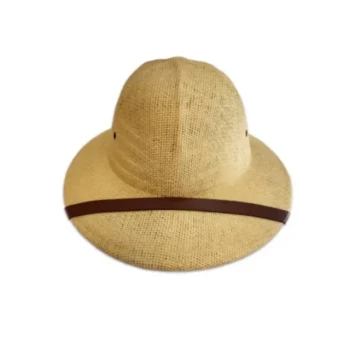
A hat’s brim isn’t just for shade—it’s a bee diversion tool. A 4–6 inch brim:
- Creates a physical barrier that guides bees away from the face
- Anchors the veil securely (preventing gaps at the neck)
- Shields the neck and shoulders, common sting targets
Pro tip: Look for hats with inner drawstrings to customize fit and prevent slippage during hive work.
How to Test Hat Security (Without Getting Stung)
- Tug test: Gently pull the veil outward—it should snap back without exposing skin.
- Headshake test: Tilt your head side-to-side; the hat should stay firmly in place.
- Field test: Wear the setup near docile bees first to observe gaps.
Beyond the Basics
Case Study: Commercial Beekeepers’ Gear Evolution
After switching to wire veils + wide-brim hats, a Florida apiary reported:
- 80% fewer facial stings per season
- Reduced veil replacements (saving ~$300/year per worker)
Maintenance Tips to Preserve Veil Integrity
- Clean with mild soap to avoid degrading mesh coatings.
- Store flat or hung to prevent creases that weaken fibers.
- Inspect weekly for tiny holes (repair with nail polish for wire veils).
Ready to upgrade your beekeeping defense? HONESTBEE’s wholesale-focused gear—like our ergonomic wide-brim hats and heavy-duty wire veils—helps commercial apiaries and distributors operate safely and efficiently. [Contact us] to explore bulk solutions tailored to your needs.
Because the best beekeepers know: protection isn’t just about avoiding stings—it’s about staying focused, comfortable, and in control.
Visual Guide
Related Products
- Beekeeper Cowboy Hat and Veil for Beekeeping
- Professional Beekeeper Suit with Square Folding Cotton Veil
- Professional Square Folding Wire Mesh Beekeeping Veil
- Premium Cowboy Beekeeper Hat with Visibility Veil Outdoor Professional Beekeeping Protective Gear
- White Cotton Beekeeping Jacket and Veil for Bee Keepers
Related Articles
- How to Choose the Best Beekeeping Headgear for Safety and Comfort
- The Beekeeper's Blind Spot: The Cognitive Ergonomics of a Veil
- Managing Volatility: The Veil as a Beekeeper's Most Critical Interface
- How to Clean Beekeeping Veils Without Damaging Mesh or Visibility
- How to Choose a Beekeeping Veil: Safety and Comfort for Beginners