The Question That Defines Your Apiary
The question seems simple: "How do you get honey out of a frame?"
But this is a deceptive question. The real question is about economics, energy, and your fundamental philosophy as a beekeeper. It asks whether you view a harvest as a one-time transaction or as one cycle in a long-term, compounding system.
Your answer will have a greater impact on your apiary's profitability than nearly any other decision you make.
The Hidden Currency of the Hive: Energy
Bees operate on a strict energy budget. Their currency is nectar, and their labor is finite.
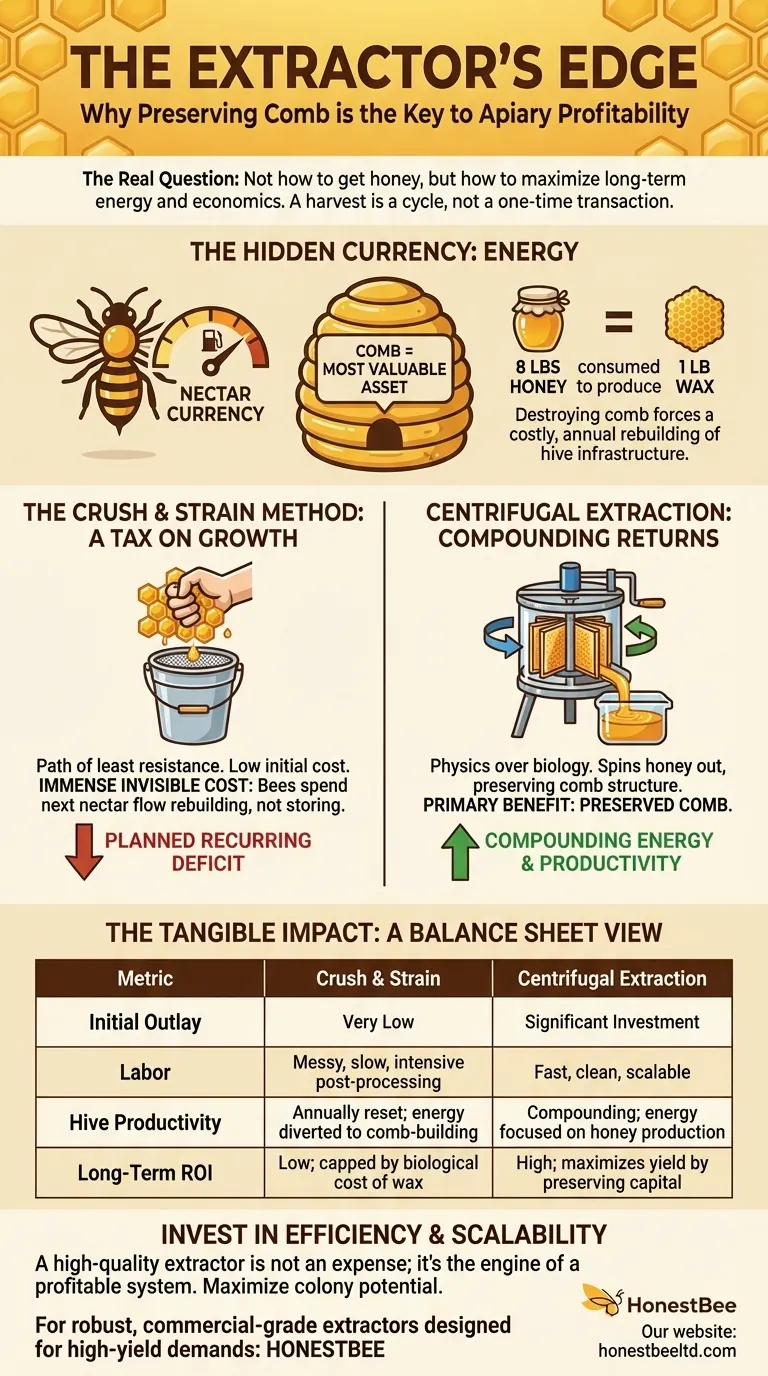
The single greatest capital expenditure a colony makes is the creation of beeswax comb. To produce one pound of wax, bees must consume roughly eight pounds of honey. They then work tirelessly, cell by perfect hexagonal cell, to construct the intricate structure that is their pantry, nursery, and home.
This drawn comb is not a byproduct; it is the hive's most valuable, energy-intensive asset. Destroying it is like forcing a factory to rebuild its most critical machinery from scratch every single year.
Two Philosophies of Extraction
Once you uncap the honey, you face a choice that reveals your operational strategy. You can either liquidate the hive's primary asset or preserve it.
The Crush and Strain Method: A Tax on Future Growth
This is the path of least resistance. You cut the comb from the frame, crush it, and let gravity separate the honey from the wax.
The initial cost is virtually zero. You need little more than a bucket and a filter.
But the invisible cost is immense. By destroying the comb, you place a heavy tax on your bees' future productivity. You are forcing them to spend the first part of the next nectar flow rebuilding their infrastructure instead of storing a surplus. For a commercial operation, this is a planned, recurring deficit.
Centrifugal Extraction: An Investment in Compounding Returns
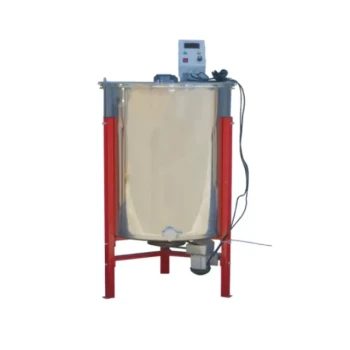
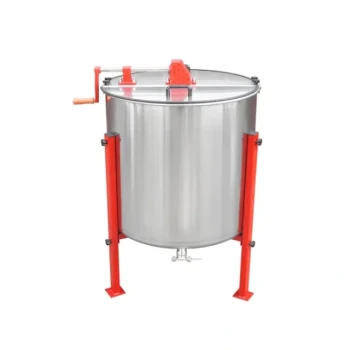
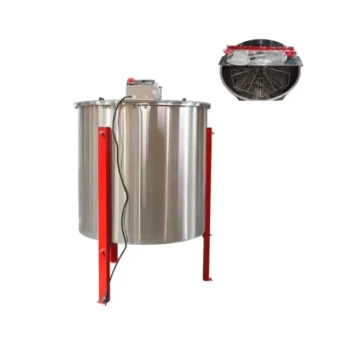
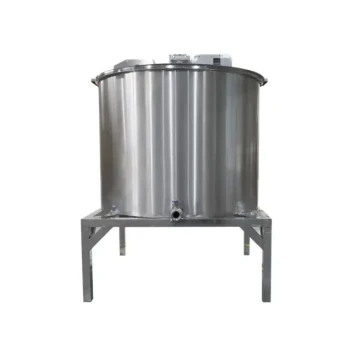
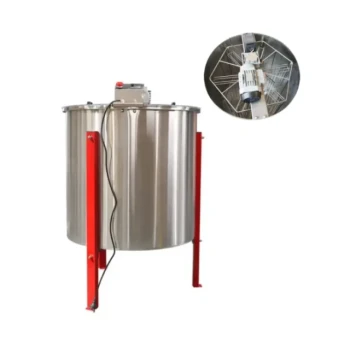
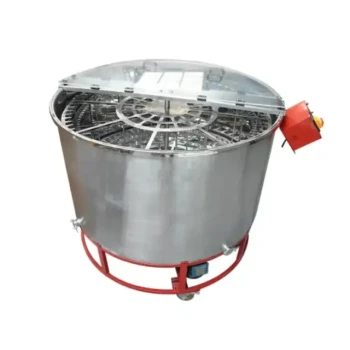
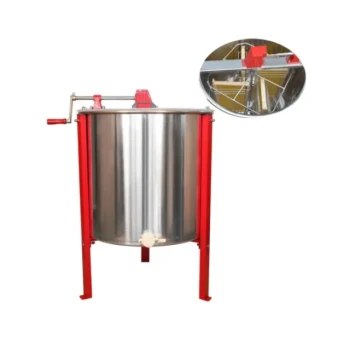
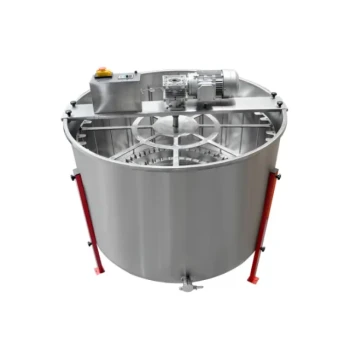
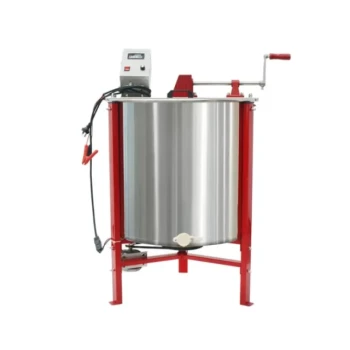
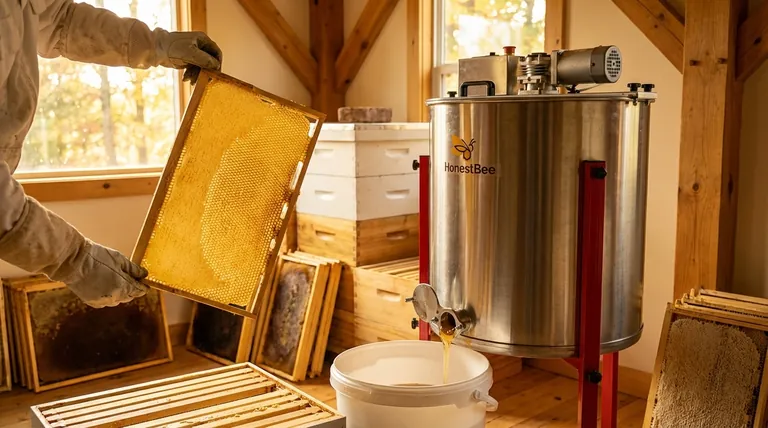
This method uses physics to solve a biological problem. A centrifugal extractor spins frames, using inertia to pull honey from the cells without damaging their structure.
The primary benefit is not just clean, efficient honey collection. The primary benefit is the preservation of the comb.
When you return an empty, intact frame to the hive, you give your bees a staggering head start. You are handing them a fully-built factory, ready for immediate production. They can begin refilling cells on day one of the nectar flow.
This saved energy compounds. The colony is stronger, more productive, and capable of producing a larger surplus, season after season.
The Tangible Impact on Your Operation
The difference between these two philosophies isn't theoretical. It shows up on the balance sheet.
| Metric | Crush & Strain | Centrifugal Extraction |
|---|---|---|
| Initial Outlay | Very Low | Significant Investment |
| Labor | Messy, slow, and intensive post-processing. | Fast, clean, and scalable. |
| Hive Productivity | Annually reset; energy diverted to comb-building. | Compounding; energy focused on honey production. |
| Long-Term ROI | Low; capped by the biological cost of wax. | High; maximizes yield by preserving the hive's capital. |
For a commercial apiary or wholesale distributor, the system's efficiency is everything. The crush and strain method creates a bottleneck and an energy sink. A high-quality extractor is the engine of a productive, scalable system. It transforms the harvest from a manual chore into a streamlined process.
This is why a durable, reliable extractor is not an expense; it's a core component of a profitable honey production business. Operations at scale require equipment that can withstand the demands of continuous use while maximizing the potential of every single colony.
For operations built on efficiency and hive health, having the right equipment is non-negotiable. HONESTBEE specializes in supplying robust, commercial-grade extractors and beekeeping equipment designed for the high-yield demands of modern apiaries.
Visual Guide
Related Products
- electric honey extractor honey centrifuge 3 frame honey extractor stainless steel honey frame extractor
- Manual Hand Crank 4 Frame Honey Extractor Centrifuge for Beekeeping
- Professional 4 Frame Self Reversing Electric Honey Extractor for Beekeeping
- 24 Frame Honey Extractor Commercial Radial Honey Frame Extraction Machine
- Electric 4 Frame Tangential Honey Extractor
Related Articles
- Beyond Speed: The Compounding Returns of an Electric Honey Extractor
- The Gentle Acceleration: Why Honey Extractor Speed Isn't a Number, But a Process
- How to Choose the Right Honey Extractor for Your Beekeeping Scale
- The Physics of Patience: Mastering Honey Extractor Speed to Save Your Combs
- How to Prevent Honey Extractor Failures: Balancing Loads and Choosing Durable Frames