Beyond honey, apiaries can harvest beeswax, propolis, royal jelly, and pollen as their core secondary hive products. Commercial operations may also collect bee venom and drone pupae, although these products require more specialized processes and market-specific quality controls. The main equipment includes pollen traps, propolis collection screens, wax melters and filters, and precision royal jelly harvesting tools.
Secondary hive products can diversify revenue per colony, but each product requires its own collection method, processing equipment, and quality-control procedure. A well-equipped apiary or distributor can combine these tools into a broader, one-stop product portfolio.
The Main Secondary Hive Products
Beeswax
Beeswax comes from comb and cappings removed during hive management and honey processing. It is used in candles, cosmetics, soaps, comb foundation, and other manufactured products.
Wax melters—including solar or heated models—render raw comb into liquid wax. Filters remove impurities before the wax is cast into clean blocks or prepared for further manufacturing.
Propolis
Propolis is a resinous material that bees use to seal gaps and help protect and sterilize the hive. It is commonly supplied for cosmetic, health, and apitherapy applications.
Propolis collectors are typically plastic grids, screens, or mats placed inside the hive. Bees fill the openings with propolis, after which the collector is removed, frozen, and scraped to release the product.
Royal Jelly
Royal jelly is a nutrient-rich secretion produced by worker bees and used to feed developing queens and young larvae. Its high value makes it attractive for specialized health, cosmetic, and nutritional markets.
Harvesting requires precision grafting tools, micro-spatulas, and—in some systems—small suction devices. Operators remove the jelly from queen cell cups while carefully managing colony conditions and timing.
Bee Pollen
Bee pollen consists of pollen pellets carried into the hive by returning worker bees. It is marketed as a protein-rich dietary supplement and can provide an additional revenue stream for commercial apiaries.
Pollen traps are mounted at the hive entrance. They gently dislodge a portion of the pellets from returning bees, allowing the material to fall into a collection tray.
Additional Products for Specialized Operations
Bee Venom
Bee venom is a specialized apitherapy and pharmaceutical raw material. It is not typically collected with the same equipment used for pollen, propolis, wax, or royal jelly.
Commercial collection requires dedicated bee-venom collection devices and careful operating procedures. Because the product is intended for sensitive applications, sanitary handling, controlled collection, and stringent quality requirements are especially important.
Drone Pupae
Drone pupae can also be harvested as a specialized biological product. This stream is less universal than beeswax or pollen and depends on the apiary’s production model and target market.
Collection generally requires dedicated hive-management and processing equipment rather than a simple entrance trap. Buyers should confirm the intended application, handling requirements, and relevant market standards before investing in this category.
What Equipment a Multi-Product Apiary Needs
Collection Equipment
The equipment should match the biological source of each product:
- Pollen traps for incoming pollen pellets.
- Propolis screens, grids, or mats for resin collection.
- Royal jelly grafting tools, micro-spatulas, and suction devices for queen cell harvesting.
- Bee-venom collection devices for specialized venom production.
- Hive-management and collection equipment for drone pupae.
These products cannot be harvested efficiently with honey extraction equipment alone. Each requires a purpose-built attachment, tool, or collection system.
Processing Equipment
Raw materials must be processed without compromising purity or product value. Wax melters and filters are the clearest example: they convert irregular comb and cappings into standardized beeswax blocks.
Commercial operations may also need sanitary handling and packaging equipment appropriate to each product. The exact configuration depends on whether the apiary sells raw materials, processed ingredients, or finished consumer goods.
Quality and Fulfillment Considerations
For distributors and wholesalers, equipment selection should support consistent output, clean handling, standardized formats, and fast order fulfillment. A supplier that can provide collection tools alongside processing machinery reduces sourcing complexity.
A full-spectrum equipment portfolio is particularly valuable when customers operate across multiple seasons or serve dietary, cosmetic, pharmaceutical, and apitherapy markets.
Understanding the Trade-offs
Higher Revenue Requires More Complexity
Secondary products can increase value per hive, but they also add labor, inventory requirements, training, and processing steps. Royal jelly, bee venom, and drone pupae generally demand more specialized expertise than beeswax or pollen.
The commercial decision should therefore consider not only product price, but also collection frequency, equipment utilization, processing cost, and market demand.
Collection Must Not Compromise Hive Health
Pollen traps should be managed carefully because pollen is an important food resource for the colony. Likewise, intensive royal jelly or venom collection requires disciplined hive management.
The objective is controlled harvesting, not maximum extraction at the expense of colony condition. Equipment should support gentle collection and allow beekeepers to adjust or suspend harvesting when necessary.
Product Quality Depends on Handling
Freezing and scraping propolis, filtering melted wax, and collecting royal jelly with clean precision tools all affect final quality. Poor handling can introduce contaminants, reduce shelf life, or make the product unsuitable for demanding buyers.
For B2B supply, sanitary procedures and consistent specifications are as important as the collection device itself.
Not Every Product Fits Every Apiary
Beeswax, pollen, and propolis are practical additions for many commercial operations because they arise naturally from routine hive management. Bee venom, drone pupae, and royal jelly are more specialized and should be added only when the apiary has the required expertise and a reliable sales channel.
How to Apply This to Your Project
Select equipment according to the products your customers can realistically collect, process, and sell.
- If your primary focus is broad apiary diversification: Stock pollen traps, propolis collectors, wax melters, and filtration equipment as the core secondary-product range.
- If your primary focus is premium biological products: Add royal jelly grafting and extraction tools, plus dedicated bee-venom collection devices where market requirements justify them.
- If your primary focus is wholesale and distribution efficiency: Build a one-stop portfolio covering hive attachments, collection tools, wax-processing machinery, sanitary handling supplies, and packaging support.
- If your primary focus is product quality: Prioritize equipment that enables gentle collection, clean processing, standardized output, and traceable handling.
- If your primary focus is fast commercial growth: Match equipment investment to confirmed demand rather than attempting to harvest every possible hive product at once.
With the right equipment mix, an apiary can turn secondary hive products into a reliable extension of its honey business rather than an unmanaged by-product.
Summary Table:
| Product | Description | Collection Equipment | Processing Equipment |
|---|---|---|---|
| Beeswax | From comb & cappings; for candles, cosmetics | Wax melters (solar/heated) | Filters, casting molds |
| Propolis | Resinous sealant; for health/cosmetics | Propolis screens, grids, or mats | Freezer, scrapers |
| Royal Jelly | Nutrient-rich secretion; high value | Grafting tools, micro-spatulas, suction devices | Sanitary containers, refrigerated storage |
| Bee Pollen | Protein-rich pellets; dietary supplement | Pollen traps at hive entrance | Drying racks, storage bins |
| Bee Venom | Specialized apitherapy/pharma | Dedicated venom collection devices | Controlled environment, sterile containers |
| Drone Pupae | Biological product for niche markets | Hive management & collection tools | Processing and preservation equipment |
Ready to expand your product range and meet growing demand for secondary hive products? At HONESTBEE, we offer a comprehensive wholesale portfolio of specialized beekeeping equipment, from pollen traps and propolis collectors to royal jelly extraction tools and wax processing machinery. Our one-stop sourcing capabilities, rapid response times, and dedicated customer service ensure you get the right tools for every harvest, backed by deep professional expertise and ultra-fast delivery. Empower your business with reliable supply and premium trading services—contact us today to discuss your requirements and elevate your product offering!
Related Products
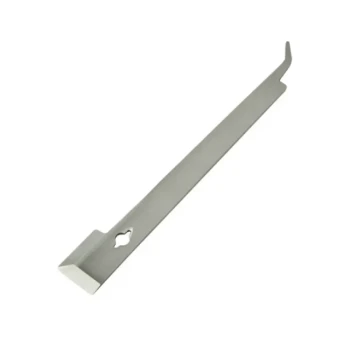
- Professional Dual-End Stainless Steel Hive Tool for Beekeeping
- HONESTBEE Professional Multi-Functional Hive Tool with Ergonomic Wood Handle
- Stainless Steel J Hook Hive Tool for Beekeeping
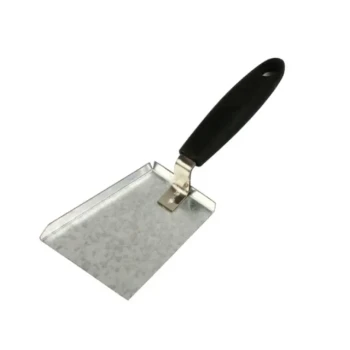
- Heavy-Duty Ergonomic Grip Galvanized Pollen Shovel
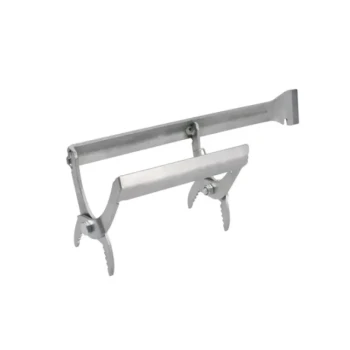
- Ergonomic Two Person Foldable Hive Lifter
People Also Ask
- What specific challenges do beekeeping hive tools address during hive maintenance? Essential Solutions for Apiaries
- Why are professional hive tools considered indispensable? Master Beekeeping Maintenance with Precision Leverage
- What is the role of professional hive tools in routine apiary maintenance? Expert Tips for Hive Health and Longevity
- What role do professional beehives and beekeeping tools play in honey prosumption? Scale yield & commercial success.
- What are the primary functions of a stainless steel hive tool? Essential Equipment for Professional Beekeeping