Drone frames function as a biological decoy designed to trap and remove Varroa mites from a honey bee colony. By utilizing a specialized foundation with larger cells, these frames encourage the queen to lay unfertilized eggs that develop into drones (male bees). Since Varroa mites have a strong biological preference for drone brood, the frame concentrates the parasitic population into a single area that can be mechanically removed and treated.
Core Takeaway Drone frames exploit the Varroa mite's natural reproduction cycle, acting as a "bait" to lure mites away from worker bees. This mechanical control method allows beekeepers to physically eliminate a significant portion of the mite load without relying on chemical interventions, provided the timing is managed precisely.
The Biological Mechanism
The Preference for Larger Cells
Drone frames feature a foundation pattern with cells that are larger than standard worker cells. This specific architecture signals the queen to lay unfertilized eggs, which develop into drone larvae.
Why Mites Target Drones
Varroa mites prefer drone larvae approximately eight times more frequently than worker larvae. This is largely because drones require a longer development time to hatch, giving the mites a longer window to reproduce within the capped cell.
The Decoy Effect
By providing a concentrated area of drone brood, the frame acts as a biological magnet. It draws the mites away from the worker population, concentrating the infestation into a sacrificial frame.
The Management Process
Inducing the Trap
Beekeepers insert the drone frame into the hive to serve as bait. The colony builds out the comb, the queen lays eggs, and the mites enter the cells just before the bees cap them with wax.
Capping the Cells
Once the drone cells are capped, the trap is effectively set. The mites are now sealed inside the cells with the developing larvae, unable to leave or spread to other parts of the hive.
Removal and Elimination
Crucially, the frame must be removed after capping but before the drones emerge. Beekeepers then freeze the frame to kill the mites (and the drone brood) or physically cut out the comb, permanently removing those parasites from the colony's ecosystem.
Understanding the Trade-offs
The Risk of Timing Errors
The primary reference notes that drone frames require "careful management." If a beekeeper forgets to remove the frame before the drones hatch, they inadvertently create a "mite bomb," releasing a massive population of new mites into the hive.
Resource Investment
Building drone comb and rearing drone larvae requires significant energy and resources from the colony. This method trades a portion of the colony's productivity for a reduction in pest load.
Not a "Set and Forget" Solution
Unlike some chemical strips, this is an active management technique. It requires strict adherence to a schedule to ensure the "bait" does not become a breeding ground.
Making the Right Choice for Your Goal
- If your primary focus is organic or chemical-free beekeeping: This is an essential tool, as it offers a mechanical way to significantly lower the mite baseline without introducing synthetic miticides.
- If your primary focus is low-maintenance management: You should approach this method with caution, as missing the removal window can drastically increase the Varroa infestation level rather than reduce it.
Success with drone frames relies less on the equipment itself and more on the beekeeper's discipline in monitoring the capping cycle.
Summary Table:
| Feature | Worker Brood Management | Drone Frame Management |
|---|---|---|
| Mechanism | Natural development | Biological bait/trap |
| Mite Preference | 1x (Baseline) | ~8x Higher attraction |
| Control Type | Passive | Active/Mechanical |
| Capping Time | ~12 days | ~14-15 days (Longer window for mites) |
| Primary Goal | Colony growth | Targeted parasite elimination |
| Key Risk | Steady mite increase | "Mite Bomb" if not removed timely |
Secure Your Apiary’s Health with HONESTBEE Professional Solutions
Are you looking to implement chemical-free Varroa management at scale? HONESTBEE specializes in supporting commercial apiaries and distributors with high-quality drone frames and a full spectrum of beekeeping machinery.
From hive-making equipment to ensure perfect frame fitment to honey-filling machines for your harvest, we provide the tools you need to succeed. Whether you are a large-scale producer or a wholesale distributor, our comprehensive inventory of beekeeping consumables and specialized hardware is designed to maximize your efficiency.
Contact HONESTBEE Today to Discuss Wholesale Opportunities
Related Products
- Assembled Wooden Bee Frames with Beeswax Foundation Ready to Use by HONESTBEE
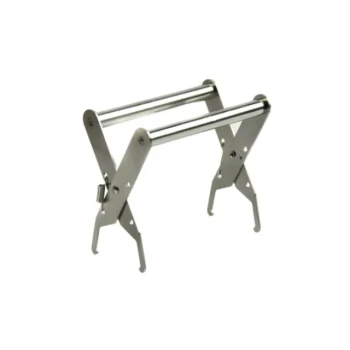
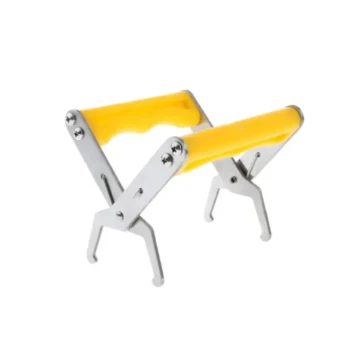
- Durable Galvanized Steel Frame Grip
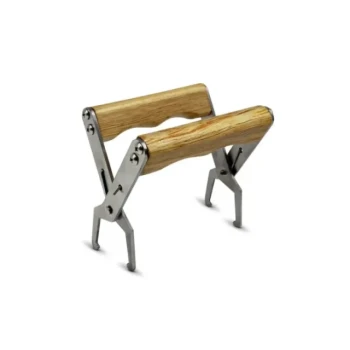
- Heavy-Duty Stainless Steel Frame Grip
- Heart-Shaped Comb Honey Frame and Honeycomb Cassette
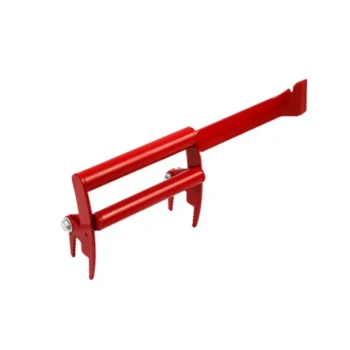
- Heavy-Duty Lever-Action Frame Grip with Hive Tool
People Also Ask
- How should frames be rearranged as a bee colony grows? Master Hive Expansion and Nest Management
- Do bee frames need foundation? Choose the Right Approach for Your Apiary
- Under what circumstances should bee frames be destroyed? Protect Your Apiary from American Foulbrood
- What are bee frames and how are they sized? A Professional Guide to Standardization & Material Choice
- Can beekeepers switch between wooden and plastic frames? Optimize Your Hive's Performance