Laboratory microscopes and specialized sampling tools serve as the primary instruments for quantifying internal disease loads that are invisible to the naked eye. By using these tools to collect specimens and perform high-magnification dissections, breeders can accurately count tracheal mite infection rates and Nosema spore loads to calculate precise disease resistance metrics.
Core Takeaway: Scientific breeding relies on converting physical observations into statistical data. The combination of precise sampling and microscopic analysis allows breeders to move beyond guesswork, using disease resistance z-scores to select colonies with proven biological resilience.
The Mechanics of Resistance Evaluation
specialized Sampling for Accuracy
To evaluate a colony accurately, you cannot select bees at random without a strategy. Specialized sampling tools are used to collect specific cohorts of honeybees from the colony.
This ensures that the specimens represent the true health status of the hive. Consistent sampling protocols are the first step in minimizing error before the specimens ever reach the lab.
Microscopic Dissection and Counting
Once samples are secured, high-magnification microscopes are utilized to perform detailed dissections. This is critical for identifying pests that live inside the bee's anatomy.
For tracheal mites, the microscope allows the technician to look directly into the bee's trachea to assess infection rates. Similarly, for Nosema, high magnification is required to visualize and count the specific spore loads present in the gut.
From Raw Data to Z-Scores
The ultimate goal of using these tools is not just to see the disease, but to quantify resistance. The direct measurements (counts of mites or spores) are converted into disease resistance z-scores.
These scores provide a standardized way to compare colonies against one another. This statistical approach ensures the selection process is based on scientific accuracy rather than anecdotal observation.
Understanding the Trade-offs
Precision vs. Effort
While laboratory analysis offers the highest level of accuracy, it is highly labor-intensive. Unlike field tests, such as pin-kill assays for hygienic behavior, microscopic analysis requires specialized equipment and significant time per sample.
Technical Expertise Required
This method demands a higher level of technical training. Dissecting a bee to locate tracheal mites or identifying specific spores requires a skilled operator, meaning this approach is often limited to professional breeding programs or advanced research contexts.
Making the Right Choice for Your Goal
To apply these principles effectively, align your methods with your specific objectives:
- If your primary focus is genetic selection: Prioritize microscopic analysis to generate z-scores, as this provides the quantitative data necessary for ranking breeders.
- If your primary focus is general colony health: Use standard sampling tools for periodic checks, but reserve full dissection and spore counting for when unexplained symptoms arise.
Precise measurement is the only path to genuine genetic improvement.
Summary Table:
| Tool Type | Purpose | Primary Target | Output Metric |
|---|---|---|---|
| Sampling Tools | Strategic specimen collection | Adult bee cohorts | Representative hive data |
| Laboratory Microscopes | High-magnification dissection | Tracheal mites & Nosema spores | Raw parasite counts |
| Statistical Analysis | Data conversion | Comparative resistance | Disease resistance z-scores |
Elevate Your Breeding Precision with HONESTBEE
Transition from guesswork to scientific accuracy with professional-grade tools. HONESTBEE empowers commercial apiaries and distributors with the comprehensive machinery and equipment needed to scale scientific beekeeping.
Whether you require specialized hardware for colony analysis, honey-filling machines, or wholesale beekeeping consumables, we provide the full spectrum of industrial solutions. Let us help you select more resilient colonies and optimize your production efficiency.
Contact HONESTBEE Today for Custom Wholesale Solutions
References
- Dennis van Engelsdorp, Gard W. Otis. Application of a Modified Selection Index for Honey Bees (Hymenoptera: Apidae). DOI: 10.1603/0022-0493-93.6.1606
This article is also based on technical information from HonestBee Knowledge Base .
Related Products
- Styrofoam Mini Mating Nuc Box with Frames Feeder Styrofoam Bee Hives 3 Frame Nuc Box
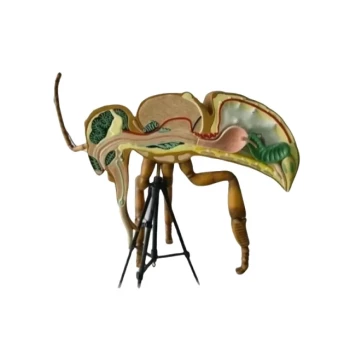
- HONESTBEE Anatomy Bee Model Detailed Anatomical Display for Education and Study
- Precision Stainless Steel Frame Cleaner for Hive Grooves and Corners
- HONESTBEE Professional Telescopic Pole Bee Swarm Catcher
- HONESTBEE Adjustable Voltage Wire Embedder with Digital Display
People Also Ask
- How are nuc boxes used in queen rearing? The Essential Tool for Reliable Queen Mating
- What is the primary advantage of mini mating nucs? Maximize Queen Production with Minimal Bee Resources
- How should a beekeeper relocate a new colony in a nuc box? Master the 5-5 Rule for Success
- What are nuc boxes used for in beekeeping? Essential Tools for Queen Rearing and Colony Growth
- Can a nuc box be used for swarm catching? An Effective and Manageable Solution for Beekeepers