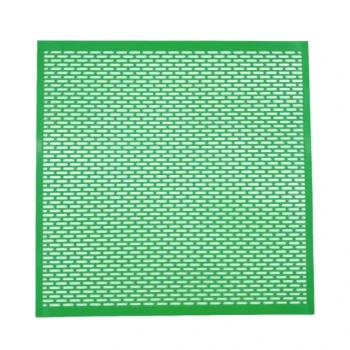
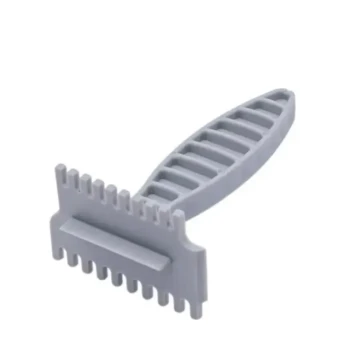
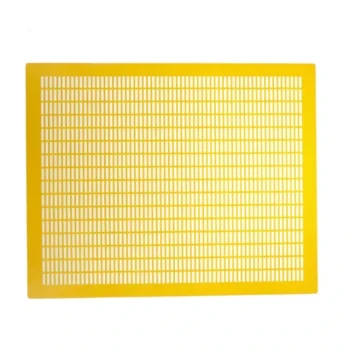
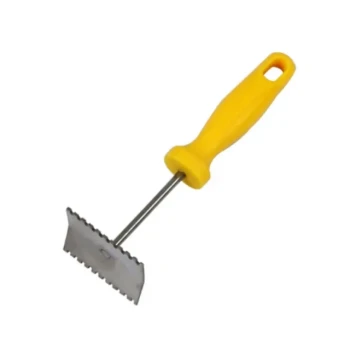
Queen excluders serve as the primary control mechanism for targeted drone breeding. By physically restricting a queen’s movement to specific hive zones, breeders compel her to lay eggs on designated drone combs. This transforms a standard colony into a specialized production unit, ensuring that the drones produced carry specific, high-value genetic traits while allowing worker bees to pass through freely to nurse the brood.
The strategic use of queen excluders allows breeders to convert high-hygiene colonies into dedicated drone sources. This control maximizes the density of desirable genetics at mating sites, significantly improving the success rate of breeding programs.
Enhancing Genetic Selection
The primary utility of the queen excluder in this context is to manipulate the genetic composition of the local bee population.
Creating Dedicated Drone Units
In breeding operations, managers identify colonies with desirable traits, such as high hygiene. By using an excluder to confine the queen to areas containing drone comb, the colony is effectively turned into a drone-producing unit. This forces the production of males solely from that specific, high-quality lineage.
Increasing Selection Pressure
The ultimate goal of this restriction is to influence the mating flights of virgin queens. By artificially increasing the density of target drones at mating sites, breeders ensure a higher probability that virgin queens will mate with the selected stock. This strengthens the selection pressure for desirable traits, such as disease resistance or productivity.
Precision in Rearing and Timing
Beyond simple genetic selection, queen excluders are utilized as scientific instruments for timing.
The Isolator Technique
Breeders often use the excluder to create an "isolator" within the hive. This limits the queen's movement to specific drone combs for a strictly defined window of time. Worker bees can still enter to care for the queen and brood, but the queen cannot leave the designated area.
Tracking Sexual Maturity
Because the queen is confined, the breeder knows exactly when the eggs were laid. This precise timing is essential for tracking the age of the emerging drones. By knowing the exact age, researchers and breeders can accurately study sexual maturity patterns and ensure drones are harvested or utilized at their peak viability.
Operational Considerations and Trade-offs
While effective, managing drone production requires careful oversight to ensure colony health and breeding success.
Specificity vs. Volume
Restricting a queen requires a balance between producing enough drones and maintaining colony population. Focusing too heavily on drone production can tax the colony's resources, as drones do not forage or contribute to hive maintenance. Breeders must ensure the "drone unit" remains strong enough to support the massive influx of male brood.
The Necessity of Hygiene
The effectiveness of this method relies entirely on the quality of the source colony. Primary references highlight that this technique is best used on "high-hygiene" colonies. If an excluder is used on a colony with poor genetics, you simply amplify undesirable traits within the mating zone.
Making the Right Choice for Your Goal
To effectively utilize queen excluders in your apiary, align your method with your specific breeding objectives.
- If your primary focus is Genetic Dominance: Isolate queens from your highest-performing hygienic strains on drone combs to flood the mating area with superior genetics.
- If your primary focus is Biological Research: Use the excluder as a temporary isolator to create a precise timeline of egg-laying, enabling accurate tracking of drone maturity.
By controlling the queen's movement, you move from passive beekeeping to active genetic engineering of your apiary.
Summary Table:
| Application | Mechanism | Strategic Benefit |
|---|---|---|
| Genetic Isolation | Confines queen to drone-comb zones | Ensures drones carry specific high-value traits |
| Mating Dominance | Increases drone density at mating sites | Maximizes selection pressure for desirable genetics |
| Research & Timing | Uses "isolator technique" for egg-laying | Tracks sexual maturity and peak drone viability |
| Colony Management | Balances worker/drone ratios | Maintains hive strength while producing male brood |
Elevate Your Breeding Program with HONESTBEE Professional Equipment
At HONESTBEE, we understand that precision is the foundation of successful genetic selection. Whether you are managing a commercial apiary or distributing high-end beekeeping solutions, we provide the industrial-grade tools you need to succeed.
From high-precision queen excluders and specialized drone combs to advanced honey-filling and hive-making machinery, HONESTBEE offers a comprehensive wholesale catalog designed for scale and durability. Our mission is to empower breeders and distributors with the hardware and essential consumables required to engineer healthier, more productive bee populations.
Ready to scale your production? Contact us today to explore our wholesale offerings and discover how our expertise can streamline your beekeeping operations.
References
- Juan Antonio Pérez‐Sato, Francis L. W. Ratnieks. Multi-level selection for hygienic behaviour in honeybees. DOI: 10.1038/hdy.2009.20
This article is also based on technical information from HonestBee Knowledge Base .
Related Products
- High Performance Plastic Queen Excluder for Beekeeping and Apiary Management
- Lightweight Durable Plastic Queen Excluder Scraper for Beekeeping
- Professional Plastic Queen Excluder for Modern Beekeeping
- Metal Queen Bee Excluder for Beekeeping
- Premium Wood Framed Metal Wire Queen Bee Excluder
People Also Ask
- What are the characteristics of a plastic queen excluder? Key Benefits for Cost-Effective Beekeeping
- What are the operational and cost advantages of using plastic queen excluders over metal or wire excluders in commercial hive management? Discover how they reduce labor, prevent wing damage, and lower total costs.
- What types of queen excluders are available for beekeepers? Choose the Right Tool for Your Hive
- Why are standardized hive frames and queen excluders essential for maintaining honey purity and quality? Scale Your Purity
- Do plastic queen excluders work? A Cost-Effective Solution for Modern Apiaries