Commercial apiary operators can control Nosemosis by combining routine diagnostics, disciplined hive sanitation, contaminated-comb replacement, and a dependable supply of professional inspection and treatment consumables. Because Nosema infections often lack distinctive external symptoms, visual inspection alone is insufficient. Operators should use frame-handling tools to examine colonies, sterile sampling supplies and microscopy to confirm infection, and standardized maintenance procedures to prevent spores from moving between hives.
The central control strategy is operational consistency: detect Nosemosis early, isolate contaminated equipment, sanitize tools between colonies, replace compromised comb, and apply only regionally approved treatments through the correct equipment.
Why Nosemosis Requires a Systematic Apiary Response
The Disease Can Reduce Productivity Before Symptoms Are Obvious
Nosemosis, associated with Nosema apis and Nosema ceranae, damages the digestive tissues of adult bees and can shorten worker lifespan. Weakened colonies may have fewer foragers, reduced brood-rearing capacity, fewer occupied combs, and lower honey production.
The absence of clear external symptoms makes the disease particularly difficult to manage across large apiaries. A colony that appears normal may still require laboratory examination when productivity, population strength, or seasonal development declines unexpectedly.
Spores Can Spread Through Hive Materials
Transmission occurs when bees ingest spores, particularly while cleaning contaminated comb or hive surfaces. Confinement during poor weather can increase contact with soiled materials and raise the risk of exposure.
Shared hive tools, protective clothing, boxes, frames, and other equipment can also contribute to mechanical spread between colonies. Commercial operators therefore need biosecurity procedures that are practical enough to follow during every inspection.
Build a Reliable Inspection Workflow
Use Professional Frame-Handling Tools
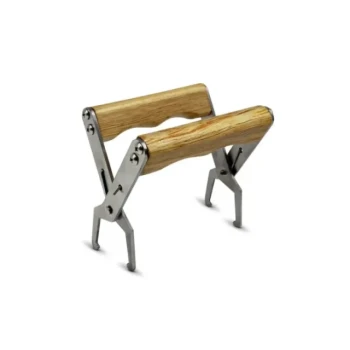
Durable frame lifters, hive tools, and scrapers allow operators to remove and examine frames without excessive disturbance or damage. Stainless steel equipment is especially useful because it is strong, easy to clean, and suitable for repeated use in commercial conditions.
Inspection tools should support a consistent sequence: assess colony strength, examine brood and food stores, inspect comb condition, look for signs of other diseases and pests, and record findings before moving to the next hive.
Pair Field Inspection With Laboratory Diagnosis
Nosemosis cannot be reliably confirmed from external symptoms alone. Examination of adult bee tissues and spore loads under a light microscope provides a more dependable basis for diagnosis.
Commercial apiaries should maintain sterile sampling consumables, labeled containers, appropriate collection tools, and access to diagnostic equipment or qualified laboratory services. Standardized sampling reduces uncertainty when deciding whether treatment, equipment isolation, or comb replacement is necessary.
Record Results at the Colony and Site Level
Inspection records should connect each sample and observation to a specific hive, yard, date, and equipment set. This helps operators identify recurring disease patterns and determine whether a problem is isolated or spreading across a site.
For distributors and B2B resellers, bundled inspection products can support this workflow by combining hive tools, sampling supplies, diagnostic kits, and recordkeeping materials in one order.
Prevent Cross-Contamination During Inspections
Sanitize Tools Between Colonies
Hive tools and scrapers should be cleaned and disinfected between colonies according to approved apiary sanitation procedures. Removing visible wax, propolis, and organic residue is important because contamination can remain trapped on soiled surfaces.
Operators should also consider using designated tools for separate apiary sites or disease-risk groups. This creates clearer equipment boundaries and reduces the chance that one contaminated hive will affect an entire inspection route.
Manage Protective Clothing as Shared Equipment
Bee suits, gloves, and other protective clothing can carry contaminated material between colonies. Washable garments are easier to incorporate into a repeatable sanitation program than disposable or difficult-to-clean alternatives.
Clothing should be cleaned regularly and whenever it becomes visibly contaminated. Commercial teams also benefit from maintaining spare suits and gloves so sanitation does not delay inspections or encourage reuse of dirty equipment.
Avoid Moving Soiled Comb Between Colonies
Old or contaminated comb should not be transferred casually between colonies, especially when combining weak hives or reusing equipment. Frames with questionable hygiene history should be isolated, evaluated, cleaned where appropriate, or removed from service.
Clear labeling and controlled storage help prevent accidental reintroduction of contaminated comb into healthy colonies.
Use Maintenance Consumables to Reduce Disease Pressure
Replace Aging or Contaminated Comb
Routine comb replacement reduces the accumulation of spores, residues, and other contaminants within hive structures. Dedicated frame-maintenance tools, replacement foundation, frames, and storage supplies help operators complete this work at scale.
Comb replacement should be planned as part of an apiary maintenance schedule rather than treated as an emergency response. A predictable replacement program makes inventory requirements easier to forecast and reduces disruption during peak operating periods.
Clean and Treat Hive Hardware Correctly
Hive boxes, lids, bottom boards, feeders, and other hardware should be cleaned and managed according to the material and the relevant regional guidance. Solarizing suitable equipment under direct sunlight may be used as part of an approved sanitation program, but it should not replace proper cleaning or site-specific disease-control procedures.
Equipment that cannot be adequately cleaned or reliably decontaminated may need to be removed from service. Standardized, easily inspectable hive components make this decision faster and reduce hidden contamination points.
Maintain Feeding Equipment
Supplementary sugar syrup may help support colonies during periods when forage is limited, including early spring or summer management windows. Clean feeders and dedicated feeding tools are necessary because poorly maintained feeding equipment can become another source of contamination or microbial growth.
Feeders should be inspected, cleaned, and assigned according to the apiary’s biosecurity procedures. Feeding does not cure Nosemosis, so it should support colony management rather than substitute for diagnosis and disease control.
Integrate Nosemosis Control With Broader Biosecurity
Monitor Varroa and Other Stressors
Nosemosis management should be part of a broader health program. Varroa mite populations should be monitored routinely, with treatments selected and timed under a structured, legally compliant mite-control program.
Other diseases, including American foulbrood, should also be considered when inspecting brood frames or deciding whether to reuse comb. Weak colonies should not be combined or supplied with questionable equipment before their health status is understood.
Inspect Equipment Before Reuse
Before frames, boxes, or feeders are moved to another colony or site, operators should evaluate their condition and sanitation history. This is particularly important for equipment taken from deadouts, weak colonies, or yards with unexplained population losses.
A quarantine or holding area for unverified equipment can prevent it from entering the clean inventory. This physical separation is often more reliable than relying on memory during busy seasonal operations.
Protect Stored Comb From Secondary Damage
Wax moth damage can destroy comb and create additional equipment-management problems. Hive-safe biological controls containing Bacillus thuringiensis may be used where permitted and appropriate for protecting stored comb from wax moth larvae.
Preserving comb is valuable, but storage treatments must be selected and applied according to product labeling and local regulations. Disease control and pest control should remain coordinated without exposing bees or hive products to inappropriate chemicals.
Understanding the Trade-offs
More Inspection Equipment Increases Operational Complexity
A large apiary needs enough tools, sampling supplies, protective clothing, disinfectants, replacement comb materials, and treatment applicators to maintain consistent procedures. This increases inventory cost and requires organized cleaning, storage, and replenishment.
The alternative is greater exposure to colony losses, delayed diagnosis, and equipment-wide contamination. For commercial operations, the relevant comparison is the total cost of biosecurity against the financial impact of preventable disease spread and reduced honey yields.
Sanitizing Between Hives Takes Time
Cleaning tools and changing or washing protective clothing can slow the inspection route. However, a faster inspection process that transfers contamination between colonies creates a larger operational risk than a controlled workflow.
Operators can improve efficiency by using durable, easy-to-clean tools, maintaining duplicate tool sets, staging sanitation supplies at each yard, and separating clean and used equipment during transport.
Treatments Must Be Evidence-Based and Compliant
Nosemosis symptoms overlap with other causes of colony decline, and Nosema species cannot be distinguished reliably through casual field observation. Applying a treatment without confirmation may waste resources, mask the real problem, or violate local requirements.
Treatment products, application equipment, and feeding materials should be selected according to current regional approvals, label instructions, veterinary or extension guidance, and honey-production restrictions. Diagnostic kits and professional advice are especially important when disease signs are ambiguous.
One Product Category Cannot Solve the Problem
A hive tool alone cannot provide disease control. Effective management depends on the interaction between diagnosis, sanitation, equipment replacement, pest monitoring, colony records, and trained personnel.
This is why distributors and wholesalers can create greater value through a full-spectrum apiary portfolio rather than supplying isolated items. Reliable availability of related products helps operators execute the complete workflow when seasonal demand is highest.
Making the Right Choice for Your Goal
Commercial operators should align product purchasing with the procedures they need to perform repeatedly across every yard.
- If your primary focus is early detection: Maintain professional frame-handling tools, sterile sampling consumables, diagnostic kits, microscopes or laboratory access, and standardized colony records.
- If your primary focus is biosecurity: Stock stainless steel hive tools, scrapers, approved disinfecting supplies, washable protective clothing, spare garments, and separate equipment sets for higher-risk colonies or sites.
- If your primary focus is comb and equipment preservation: Maintain replacement frames, foundation, cleaning supplies, storage equipment, and permitted biological controls for wax moth protection.
- If your primary focus is treatment execution: Source approved treatment products together with the correct vaporizers, strips, feeders, or application tools, and verify regional compliance before use.
- If your primary focus is supply-chain reliability: Work with a supplier offering a broad apiary portfolio, rapid response, dedicated technical service, efficient order fulfillment, and dependable delivery during inspection and treatment seasons.
A disciplined combination of diagnosis, sanitation, maintenance, and dependable sourcing gives commercial apiaries the strongest practical defense against Nosemosis and the wider chain of stresses that can undermine colony productivity.
Summary Table:
| Aspect | Recommended Action | Key Tools/Consumables |
|---|---|---|
| Inspection | Systematic frame assessment | Durable hive tools, scrapers, frame lifters |
| Diagnosis | Confirm via lab testing | Sterile sampling containers, diagnostic kits |
| Sanitation | Disinfect tools between hives | Approved disinfectants, washable suits, gloves |
| Maintenance | Replace old comb, clean equipment | Replacement frames/foundation, solarizer, feeders |
| Protection | Prevent pests and contamination | Bacillus thuringiensis for wax moth, clean storage |
HONESTBEE offers a comprehensive range of professional beekeeping equipment and consumables to support your disease control protocols. From durable inspection tools to hygienic sampling supplies and replacement comb materials, we help you maintain healthy, productive colonies. Contact us today for tailored solutions and fast delivery, ensuring your apiary operates at peak efficiency. Get in touch!
Related Products
- Professional Multi-Function Stainless Steel Hive Tool
- HONESTBEE Professional Long Handled Hive Tool with Precision Cutting Blade
- Professional Stainless Steel Pry-Bar Hive Tool
- Professional Dual-End Stainless Steel Hive Tool for Beekeeping
- Stainless Steel J Hook Hive Tool for Beekeeping
People Also Ask
- Why are professional hive tools considered indispensable? Master Beekeeping Maintenance with Precision Leverage
- What is the role of professional hive tools in routine apiary maintenance? Expert Tips for Hive Health and Longevity
- What are the benefits of a multi-functional hive tool? Streamline Your Apiary Workflow with One Tool
- What advantages do multi-functional hive tools offer? Maximize Your Apiary Efficiency and Workflow
- What are the common construction features of hive tools? Key Insights for Superior Beekeeping Efficiency