Professional beekeeping management tools significantly reduce dermal pesticide risk by allowing apiarists to precisely control the timing and location of bee foraging activity. By utilizing specific hardware—such as hive entrance control devices and temporary relocation equipment—beekeepers can physically isolate the colony from the environment during high-toxicity windows, preventing foragers from contacting wet pesticide residues.
The core principle is "exposure fraction reduction." By mechanically restricting flight activity during critical application cycles, tools allow beekeepers to lower the statistical probability of bees encountering pesticide particles at the source.
Strategies for Physical Isolation
Regulating Hive Access
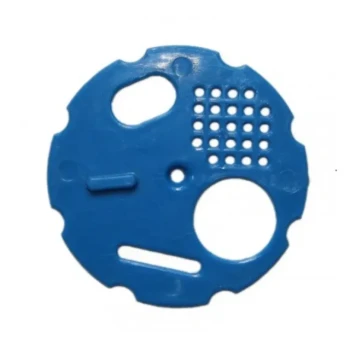
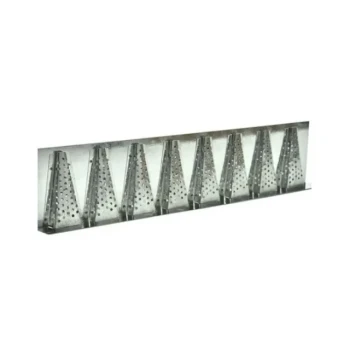
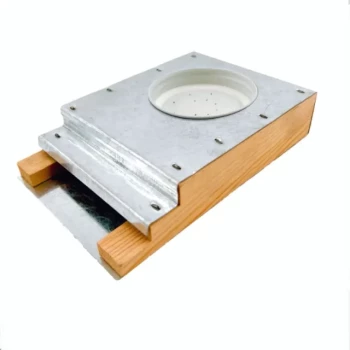
The most direct method of preventing dermal contact is preventing the flight itself. Hive entrance control devices allow beekeepers to temporarily close or restrict the hive.
This effectively locks the foraging force inside during the hours or days immediately following a spray event.
Managing High-Residue Periods
The risk of dermal contact is not constant; it peaks immediately after pesticide application. This is particularly critical for crops with high surface area, such as rapeseed.
Tools allow beekeepers to enforce a "blackout period" during this high-residue window. Once the residues have dried or degraded, the colony activity space can be reopened.
Temporary Relocation
Sometimes, restriction is not enough, and the hive must be moved entirely. Relocation equipment enables the rapid transport of colonies out of the danger zone.
By shifting the colony's activity space away from the treated field, the probability of contact drops to near zero.
The Role of Standardization
Enabling Rapid Response
While the primary goal is safety, the feasibility of these interventions depends on efficiency. Standardized tools (uniform frames, supers, and pollen traps) are essential here.
If equipment is non-standard, the labor required to seal or move hives increases drastically. Standardization allows for the rapid implementation of safety protocols across large industrial apiaries.
Streamlining Logistics
Consistent equipment facilitates the loading and unloading processes required for relocation. This transforms a labor-intensive rescue mission into a streamlined, high-efficiency management workflow.
Understanding the Trade-offs
Balancing Safety and Productivity
restricting flight activity to avoid pesticides comes at a cost. Every hour a hive is closed is an hour of lost foraging, nectar gathering, and pollination.
Beekeepers must weigh the risk of pesticide exposure against the nutritional needs of the colony.
Thermoregulation Risks
Closing hive entrances using control devices alters the internal ventilation of the hive. In hot weather, restricting the entrance without adequate airflow tools can lead to overheating.
Professional management requires monitoring internal hive conditions while these restrictors are active.
Making the Right Choice for Your Goal
To effectively reduce pesticide risks, you must match the tool to the specific threat level of the agricultural environment.
- If your primary focus is managing short-term spray events: Prioritize entrance control devices to confine bees only during the immediate high-residue window.
- If your primary focus is avoiding systemic or long-duration exposure: Utilize standardized relocation equipment to move colonies entirely out of the treated crop's flight range.
Professional tools turn pesticide avoidance from a game of chance into a manageable, logistical process.
Summary Table:
| Tool Type | Primary Function | Protective Mechanism | Key Consideration |
|---|---|---|---|
| Entrance Control Devices | Restricts flight activity | Prevents bees from exiting during high-toxicity windows | Ventilation and thermoregulation |
| Standardized Hardware | Uniform hive components | Enables rapid response and easy sealing across large apiaries | Consistency across all colonies |
| Relocation Equipment | Rapid transport tools | Removes colonies entirely from treated agricultural zones | Logistics and labor efficiency |
| Monitoring Tools | Internal climate checks | Ensures colony health while hives are temporarily closed | Prevents overheating and stress |
Maximize Colony Safety with HONESTBEE Precision Equipment
Protecting your commercial apiary from pesticide risks requires more than just timing—it requires reliable, professional-grade hardware. At HONESTBEE, we specialize in supporting commercial apiaries and distributors with a comprehensive wholesale range of beekeeping tools and machinery. From standardized hive-making machines that ensure perfect equipment fit for rapid sealing, to specialized entrance controls and essential consumables, our portfolio is designed to streamline your risk management workflows.
Partner with HONESTBEE to enhance your operational efficiency and safeguard your honeybees. Whether you are scaling an industrial apiary or supplying the next generation of beekeepers, our specialized hardware and honey-themed cultural merchandise provide the value you need to succeed.
Contact HONESTBEE Today to Discuss Your Wholesale Needs
References
- Eleonora Crenna, Peter Fantke. Characterizing honey bee exposure and effects from pesticides for chemical prioritization and life cycle assessment. DOI: 10.1016/j.envint.2020.105642
This article is also based on technical information from HonestBee Knowledge Base .
Related Products
- Steel Round Disc Entrance Reducer for Flexzion Bee Hive Nuc Box Gate
- Professional Reversible Beehive Hive Entrance
- Multi-Functional Rotary Hive Entrance Disc for Beekeeping
- Multi-Functional Sliding Hive Entrance for Beekeeping
- Beehive Entrance Reducer Guardian Metal Hive Entrance for Bees
People Also Ask
- What is the purpose of an entrance reducer for a beehive? Strengthen Colony Defense and Prevent Robbery
- Why are entrance reducers used to counter hornet infestations? Protect Your Hive with Strategic Choke Points
- Why is it critical to maintain a smaller entrance for a newly established bee hive? Boost Colony Growth and Security
- What is the function of an entrance reducer on a beehive? Strengthen Colony Defense and Climate Control
- Under what conditions should a beekeeper adjust the size of a beehive entrance? Seasonal & Defense Management Tips