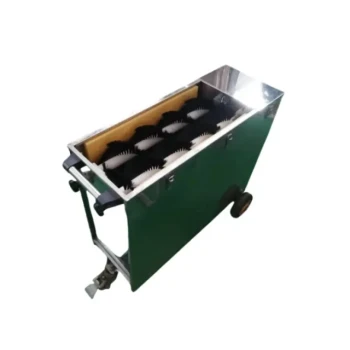
Optimizing pesticide application equipment and hive management mitigates colony decline primarily by creating a functional barrier between pollinators and toxic chemicals. By refining the parameters of spraying machinery and implementing strict closed-hive protocols during application windows, you prevent direct exposure to toxins, preserving both the immediate workforce and the long-term stability of the agricultural ecosystem.
Core Takeaway Mitigating honeybee decline is not just about reducing chemical use, but about managing the interface between agriculture and apiary health. Success relies on preventing acute toxicity through precision application while simultaneously building colony resilience against biological stressors through standardized, data-driven hive management.
Reducing Chemical Risks Through Equipment Optimization
To address the immediate threat of pesticide poisoning, technical interventions must focus on minimizing contact.
Refining Spraying Machinery Parameters
The most direct method to protect colonies is tuning the application equipment itself.
By optimizing the spraying parameters of agricultural machinery, operators can drastically reduce chemical drift.
This ensures that pesticides land only on intended crop targets rather than dispersing into the air or onto non-target flowering plants where bees forage.
Implementing Closed-Management Protocols
When spraying is unavoidable during peak flowering, hive management must shift to defense.
Closed-management protocols involve physically isolating the colony within the hive during the spraying window.
This acts as a temporary quarantine, ensuring zero exposure to the active chemical cloud, thereby protecting the colony's foragers from immediate mortality.
Strengthening Colony Resilience via Management Tools
While pesticide avoidance prevents acute loss, long-term mitigation of decline requires robust hive management to handle biological stressors like pests and disease.
Precision Disease and Pest Control
Parasitic threats, such as Varroa mites, are a leading cause of colony collapse.
Using specialized precision application tools ensures that chemical or biological treatments are distributed uniformly throughout the hive.
This maximizes the efficacy of the medication against mites while maintaining a safety margin for the bees, preventing the population crashes often associated with heavy infestations.
Standardized Environmental Control
A colony's ability to resist decline is often tied to its physical environment.
Industrial hive-making machinery produces standardized, tightly sealed components that regulate internal temperature and humidity.
By maintaining a scientifically stable environment, these hives enhance the bees' natural immunity and provide a physical barrier against environmental stressors and diseases like Nosemosis.
Proactive Inspection and Detection
Decline is often a slow process caused by unchecked pests like Wax Moths or Small Hive Beetles.
Regular internal hive inspections allow for the early detection of these threats before they overwhelm the honeycomb.
Timely identification enables targeted physical cleaning or intervention, stopping the cycle of destruction before it leads to colony failure.
Understanding the Trade-offs
Effective management requires balancing protection with productivity.
The Cost of Isolation
While closed-management protocols are highly effective at stopping pesticide poisoning, they interrupt the bees' natural foraging cycles.
Prolonged isolation can lead to internal overheating or temporary food shortages if not managed with precise timing.
Investment vs. Return
Implementing high-precision weighing scales and data recording systems is crucial for selecting superior, resilient bee stocks.
However, this requires a significant upfront investment in technology and data analysis training.
Apiary managers must weigh these costs against the long-term economic efficiency gained by breeding genetically superior, high-yield colonies.
Making the Right Choice for Your Goal
To effectively mitigate decline, align your equipment strategy with your specific operational focus.
- If your primary focus is Agricultural Safety: Prioritize optimizing spraying machinery parameters to minimize drift and strictly enforce closed-hive protocols during treatment windows.
- If your primary focus is Colony Health: Invest in precision application tools for mite control and industrial-grade hive components to boost natural immunity.
- If your primary focus is Genetic Resilience: Utilize high-precision weighing scales to identify and breed superior stocks that demonstrate natural resistance to environmental stress.
True mitigation is achieved when precision technology meets proactive, data-informed management.
Summary Table:
| Mitigation Strategy | Primary Mechanism | Key Benefit |
|---|---|---|
| Equipment Optimization | Precision spraying & drift control | Minimizes toxic exposure for foragers |
| Closed-Hive Protocols | Physical isolation during spraying | Prevents acute mortality from chemicals |
| Standardized Hives | Climate & humidity control | Enhances natural immunity and vitality |
| Precision Pest Control | Uniform medication distribution | Eradicates mites without harming bees |
| Data-Driven Selection | High-precision weighing & tracking | Facilitates breeding of resilient stocks |
Secure Your Apiary’s Future with HONESTBEE
At HONESTBEE, we understand that commercial success depends on the resilience and productivity of your colonies. We offer a comprehensive wholesale portfolio designed for commercial apiaries and distributors, providing everything from industrial hive-making machinery for standardized protection to high-precision equipment for health monitoring.
Whether you need advanced honey-filling machines to scale your production or specialized beekeeping tools to combat environmental stressors, our expert-grade solutions deliver the durability and precision required to mitigate colony decline effectively.
Ready to upgrade your commercial beekeeping operations?
Contact HONESTBEE today to explore our full spectrum of tools and machinery and see how our global supply chain can add value to your business.
References
- Zekiros Fikadu. The Contribution of Managed Honey Bees to Crop Pollination, Food Security, and Economic Stability: Case of Ethiopia. DOI: 10.2174/1874331501913010175
This article is also based on technical information from HonestBee Knowledge Base .
Related Products
- Adjustable Formic and Acetic Acid Dispenser for Bee Mite Treatment
- Compact Circular Bee Mite Treatment Dispenser
- Heavy-Duty Ergonomic Grip Galvanized Pollen Shovel
- Professional Stainless Steel Pry-Bar Hive Tool
- Stainless Steel J Hook Hive Tool for Beekeeping
People Also Ask
- How is the process regulation function of a Formic Acid Dispenser implemented? Achieve Safe, Effective Varroa Control
- Why is a specialized formic acid evaporator necessary? Ensure Safe & Effective Varroa Mite Treatment
- What role do Formic Acid Dispensers play in the biochemical control of Varroa mites? Precision Mite Management
- What is the primary function of a specialized evaporation dispenser? Master Formic Acid Varroa Control
- What is the function of specialized application devices for Varroa? Precision Control for Healthier Bee Colonies