The interaction between a one-liter bee wash jar and detergent solution relies on a combination of mechanical oscillation and chemical de-bonding. The jar serves as a sealed container that allows for vigorous physical agitation, while the detergent functions as a surfactant. This chemical reduces surface tension to break the adhesion between the mites and the bees, effectively separating them for accurate counting.
Accurate mite assessment requires breaking the strong physical grip between parasite and host. The detergent chemically weakens this adhesion by lowering surface tension, allowing the mechanical force within the jar to dislodge the mites for a precise quantitative count.
The Mechanics of Separation
To understand how this method evaluates infestation rates, you must look at how the physical and chemical components work in tandem to overcome the mite's natural defenses.
The Chemical Role of the Detergent
The detergent solution is not merely a cleaning agent; it acts primarily as a surfactant.
Its molecular structure lowers the surface tension of the water within the jar.
This chemical change breaks the physical adhesion (adsorption) that allows Varroa mites to cling tightly to the honey bee's body. By weakening the bond between the mite's feet and the bee, the solution renders the parasite vulnerable to physical removal.
The Physical Role of the Jar
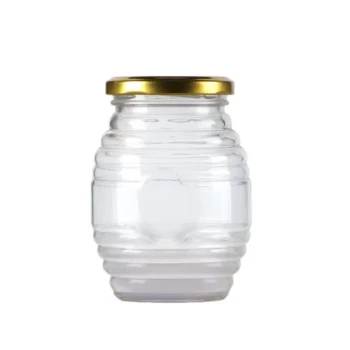
The one-liter jar acts as a mechanical oscillation container.
It provides a sealed, rigid environment that contains the sample during the wash process.
This enclosure enables the beekeeper to apply vigorous manual or mechanical agitation without losing any of the sample. This physical force is necessary to dislodge the mites once the detergent has weakened their grip.
Achieving Quantitative Precision
The ultimate goal of combining these elements is separation.
If the mites are not fully detached, they cannot be counted, leading to an underestimation of the infestation rate.
By ensuring thorough detachment, this method produces a "clean sample," allowing for a statistically accurate count of phoretic mites relative to the number of adult bees.
Understanding the Trade-offs
While effective, this method relies on specific conditions to function correctly.
Destructive Sampling
This process involves submerging bees in a chemical solution. It is lethal to the sample of bees being tested.
Agitation Consistency
The jar facilitates agitation, but the accuracy depends on the vigor of the oscillation.
Insufficient shaking may fail to dislodge all mites even if the surfactant is working, potentially skewing the infestation data.
Making the Right Choice for Your Goal
This method is the industry standard for calculation because it prioritizes accuracy over the survival of the sampled bees.
- If your primary focus is statistical accuracy: Rely on this combination, as the surfactant ensures near-total detachment of mites for a precise count.
- If your primary focus is process consistency: Ensure the jar is sealed tight to allow for vigorous, consistent agitation, which is just as critical as the detergent ratio.
The synergy of chemical weakening and physical force is the only way to ensure a true representation of the colony's parasite load.
Summary Table:
| Component | Role | Function Description |
|---|---|---|
| Detergent Solution | Chemical Surfactant | Lowers surface tension to break the physical adhesion between mites and bees. |
| One-Liter Jar | Oscillation Container | Provides a rigid, sealed environment for vigorous physical agitation. |
| Mechanical Force | Separation Agent | Dislodges weakened mites from the bees' bodies for accurate counting. |
| Quantitative Goal | Precision Assessment | Delivers a statistically accurate infestation rate by ensuring near-total mite detachment. |
Optimize Your Apiary's Health with HONESTBEE
Accurate mite monitoring is the foundation of successful commercial beekeeping. At HONESTBEE, we support commercial apiaries and distributors with a comprehensive range of high-quality tools designed for precision and durability. From specialized bee wash kits and hive-making machinery to honey-filling equipment and essential industry consumables, we provide everything you need to scale your operations efficiently.
Ready to upgrade your beekeeping equipment or expand your wholesale inventory?
Contact us today to explore our full spectrum of professional beekeeping solutions!
References
- John Kefuss, Cyril Kefuss. Selection for resistance to <i>Varroa destructor</i> under commercial beekeeping conditions. DOI: 10.1080/00218839.2016.1160709
This article is also based on technical information from HonestBee Knowledge Base .
Related Products
- Classic Glass Honey Jar with Metal Lug Cap for Beehive Storage
- Portable Electric Bee Vacuum with Lithium Battery and 20L Collection Bucket
- Commercial Grade Vertical Electric Bee Sweeper for Bee Removal
- Plastic Handle Single Row Artificial Fiber Bee Brush
- Wooden Bee Brush with Double-Row Horsehair Bristles
People Also Ask
- What are the benefits of glass jars regarding strength and safety for storing honey? Ensure Purity and Long-Term Quality
- What are the advantages of using glass jars for honey storage? Ensure Purity and Premium Appeal for Your Product
- What are the benefits of using high-transparency Glass Jars for honey? Elevate Purity and Premium Branding
- What is the aesthetic appeal of using glass jars for honey? Elevate Your Brand with Premium Packaging
- Which container is best for storing honey? Preserve Purity & Flavor with the Right Choice