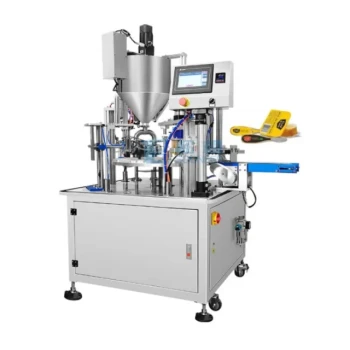
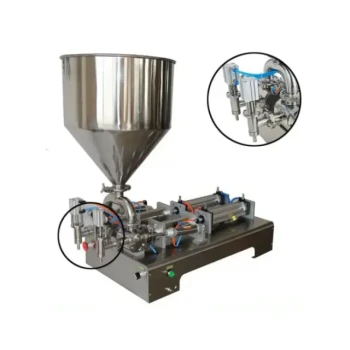
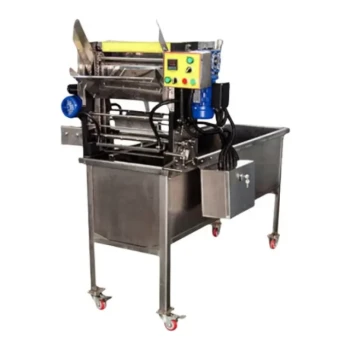
Automated honey filling machines maintain product quality by employing sanitary-grade pumping systems and precise flow metering to package honey without altering its natural state. These systems operate within standardized, often enclosed workflows that filter impurities and strictly limit human contact, ensuring sterility and consistency from the storage tank to the sealed jar.
The core advantage of automation lies in preventing "secondary contamination" and environmental exposure. By utilizing sealed processing and precise dosage control, these machines preserve the honey's natural antioxidants, volatile aromatics, and nutritional integrity while meeting rigorous commercial hygiene standards.
Preserving Chemical Integrity and Flavor
Protecting Volatile Aromatics
High-end honey, particularly varieties like forest honey, contains unique volatile aromatic compounds that define its flavor profile. Fully enclosed filling environments isolate the product from the open air. This containment prevents these delicate compounds from evaporating, maximizing the sensory quality for the consumer.
Maintaining Bioactive Stability
Honey contains sensitive bioactive substances and antioxidants that can degrade if mishandled. Automated machinery shortens the processing chain, reducing the time honey is exposed to external stressors. This efficiency helps keep biochemical indicators, such as Hydroxymethylfurfural (HMF) levels, within optimal ranges, proving the honey has not been thermally damaged or aged prematurely.
Ensuring Hygiene and Safety
Minimizing Human Contact
The primary reference highlights that automated machines utilize standardized workflows to minimize human contact. Manual handling is a leading cause of "secondary contamination" and human-induced adulteration. By removing the operator from the direct filling path, the risk of introducing bacteria or foreign matter is drastically reduced.
Filtration and Contaminant Removal
Industrial-grade machines often integrate physical filtration systems directly into the filling line. These filters effectively remove macroscopic impurities such as wax particles or debris gathered during harvesting. This ensures the final product is visually clear and compliant with export quality requirements without stripping the honey of its pollen or nutritional value.
Preventing Moisture Absorption
Honey is hygroscopic, meaning it naturally absorbs moisture from the air, which can lead to fermentation and spoilage. Automated sealing processes apply caps immediately after filling. This rapid sealing prevents the honey from absorbing environmental humidity, ensuring long-term stability and preventing spoilage during storage.
Operational Precision and Consistency
Handling Varying Viscosities
Honey consistency changes based on temperature and floral source. Automated machines are designed to handle varying viscosities without stalling or requiring constant manual adjustment. This capability allows for the processing of thick, raw honeys without excessive heating, which would otherwise compromise the honey's nutritional structure.
High-Precision Dosage
Advanced metering control systems ensure that the filling volume of every bottle is consistent. This precision is critical for preventing the waste of rare or expensive honey sources. It also guarantees that every unit meets legal requirements for net weight, essential for large-scale commercial distribution and brand reputation.
Understanding the Trade-offs
Temperature Management Risks
While automation improves speed, moving viscous honey often requires temperature control to facilitate flow. If the machine's constant temperature control settings are calibrated incorrectly, there is a risk of overheating. Excessive heat can destroy enzymes and spike HMF levels, effectively ruining the "raw" status of the product.
Maintenance of Sanitary Components
The sanitary-grade pumps and filtration systems are only effective if rigorously maintained. Because these machines rely on complex, enclosed pathways, they require disciplined cleaning protocols (CIP - Clean In Place). Neglecting this maintenance can lead to hidden buildup, turning the "sterile" machine into a source of contamination.
Making the Right Choice for Your Goal
Selecting the right automation level depends on your specific market position and volume requirements.
- If your primary focus is High-End/Boutique Honey: Prioritize machines with fully enclosed environments and gentle flow control to preserve volatile aromatics and low HMF levels.
- If your primary focus is Mass Market/Export: Prioritize machines with high-speed precision metering and integrated filtration to ensure strict weight compliance and standardized hygiene.
Automated filling is not just about speed; it is a critical control point for locking in the purity and value of your harvest.
Summary Table:
| Feature | Quality Preservation Mechanism | Benefit to Producers |
|---|---|---|
| Enclosed Systems | Isolates honey from air & contaminants | Preserves volatile aromatics & prevents spoilage |
| Sanitary Pumps | Precise flow & low-heat transport | Maintains bioactive stability & raw status |
| Precise Metering | High-precision dosage control | Ensures net weight compliance & reduces waste |
| Physical Filtration | Integrated impurity removal | Delivers clear, export-grade honey without nutrients loss |
| Rapid Sealing | Immediate capping post-filling | Prevents moisture absorption & fermentation |
Elevate Your Honey Production with HONESTBEE
At HONESTBEE, we specialize in empowering commercial apiaries and distributors with the industry's most reliable automation solutions. From high-precision honey-filling machines and hive-making hardware to a full spectrum of specialized beekeeping tools and consumables, we provide the end-to-end equipment you need to scale your operations.
Our value to you:
- Uncompromising Purity: Our machinery is designed to lock in flavor and nutritional integrity.
- Commercial Efficiency: Reduce manual labor and secondary contamination risks.
- Wholesale Support: A comprehensive portfolio of tools and cultural merchandise tailored for large-scale distribution.
Ready to optimize your harvest and secure your brand's reputation for quality?
References
- Emma Berman, Jody Emel. Buzz: urban beekeeping and the power of the bee. DOI: 10.1080/0966369x.2016.1190194
This article is also based on technical information from HonestBee Knowledge Base .
Related Products
- Fully Automatic Honey Filling Packaging Machine for Processing Line
- Automatic Honey Filling and Filtering Machine for Beekeeping Bottle Filling
- Precision Durable Efficient HONESTBEE Rotary Honey Filling Machine
- Semi Automatic Small Honey Bottle Filling Machine Honey Filler
- Precision Automated Packaging Turntable Honey Spoon Filling Sealing Packing Machine
People Also Ask
- Why are fully automatic honey filling and packaging lines essential? Boost Your Honey's Market Value and Quality
- What is a fully-automatic honey filler? Streamline Your Production with High-Precision Automation
- How do automated honey filling and packaging machines affect profitability? Boost Margins with HONESTBEE Technology
- How do automated honey filling and packaging machines contribute to the market value of honey products? Maximize Your ROI
- How do industrial-grade automated honey filling and packaging machines mitigate the risk of physical contamination?