The key distinction is simple: prevalence measures how many colonies are diseased at a given time, while incidence measures how many new cases develop over a defined period among colonies that were initially disease-free and at risk. Prevalence shows the apiary’s total disease burden; incidence shows whether transmission is actively occurring. Evaluating both gives a more accurate picture of whether monitoring tools and management practices are working.
High prevalence does not necessarily mean current control is failing. Historical cases may remain while incidence falls, indicating that sanitation, surveillance, and treatment are preventing new infections.
What Prevalence Reveals About Apiary Health
Measuring the existing disease burden
Prevalence is the proportion of colonies with a disease at a specific inspection point. It includes both recently affected colonies and cases that developed earlier but remain present.
For example, an apiary may have high prevalence because many colonies still require treatment or recovery, even if few new cases are appearing.
Evaluating the current condition of the apiary
Prevalence helps operators, inspectors, and managers understand the scale of the problem requiring attention now. It supports decisions about treatment capacity, quarantine, equipment needs, and inspection priorities.
For distributors and commercial operators, prevalence data can also help determine demand for sampling consumables, hive inspection tools, sanitation supplies, and standardized hive hardware.
Interpreting a high or low result
A high prevalence indicates a substantial current disease burden, but it does not identify when infections occurred or whether transmission is continuing.
A low prevalence generally suggests limited disease presence at the time of inspection, but it may miss new infections if sampling is infrequent or detection tools are insufficiently sensitive.
What Incidence Reveals About Disease Spread
Measuring new infections over time
Incidence counts new disease cases during a defined observation period among colonies that were previously healthy and susceptible. The at-risk population must be clearly identified.
This makes incidence a measure of disease emergence and transmission, rather than simply disease presence.
Evaluating whether management is stopping transmission
A high incidence suggests that new infections are continuing to develop. This may indicate active spread, insufficient sanitation, missed early cases, ineffective treatment, or cross-contamination between colonies or apiary sites.
A declining incidence indicates that fewer new cases are appearing, which is stronger evidence that monitoring and management practices are suppressing transmission.
Understanding the value of repeated surveillance
Incidence requires follow-up inspections and consistent case definitions. A single inspection can estimate prevalence, but it cannot reliably establish how quickly new cases are developing.
Repeated sampling, documented hive histories, and standardized inspection protocols are therefore essential for evaluating prevention and control programs.
How to Evaluate Monitoring Tools Correctly
Use prevalence to assess detection coverage
Monitoring tools can be evaluated by examining whether they identify the colonies currently affected. Useful tools should support early disease detection, reliable sample collection, and clear inspection of hive components.
However, a tool that identifies many existing cases may raise measured prevalence by improving detection. That does not necessarily mean disease has become more common.
Use incidence to assess prevention performance
Incidence is more useful for determining whether a monitoring system and management program are preventing new cases. If new infections decline after improved inspections, sanitation, or targeted treatments, the intervention is likely reducing transmission.
The comparison should use consistent tools, sampling methods, inspection intervals, and diagnostic criteria.
Standardize sampling and documentation
Results become difficult to interpret when one inspection uses thorough colony sampling while another relies only on visual checks. Standardized sample handling and sterile consumables help reduce false results and prevent contamination between colonies.
Records should identify each colony’s health status, inspection date, test result, treatment history, and follow-up status. This allows managers to distinguish new cases from continuing or unresolved cases.
How Management Practices Affect the Two Measures
Sanitation and equipment control
Sanitation practices may reduce incidence before they reduce prevalence. Existing diseased colonies can remain in the apiary, while improved hygiene prevents additional colonies from becoming infected.
Separate or properly cleaned tools, sterile sampling materials, and well-designed hive components can help reduce cross-contamination during inspections and routine work.
Early detection and targeted treatment
Early detection can lower incidence by allowing action before disease spreads to additional colonies. It may initially increase reported prevalence because previously undetected cases are discovered.
That apparent increase can represent better surveillance, not worsening disease. Managers should examine subsequent incidence to determine whether the intervention is controlling new infections.
Hive design and inspectability
Hive components that are easy to inspect can help beekeepers identify abnormal colony conditions sooner. Faster identification supports targeted pest or disease treatments and reduces the time during which an affected colony may expose others.
Standardized hive hardware also helps teams apply consistent inspection procedures across colonies and locations.
Understanding the Trade-offs
Prevalence is easier but less diagnostic of transmission
Prevalence can often be measured during a single survey, making it practical for routine inspections and regulatory reporting. Its limitation is that it combines old and new cases and is influenced by how long disease remains detectable.
It should therefore be interpreted as a burden measure, not as a direct measure of current spread.
Incidence is more informative but more demanding
Incidence provides stronger evidence about active transmission, but it requires longitudinal records, repeated inspections, and a clearly defined at-risk population. Colonies already diseased at the beginning of the observation period should not be counted as new cases.
Poor follow-up or inconsistent testing can make incidence estimates unreliable.
Tool performance can change the apparent results
Improved detection tools may increase both the number of identified prevalent cases and the apparent number of new cases during an initial surveillance phase. Managers should avoid judging performance from one measurement alone.
The most useful evaluation compares trends over time using the same protocols and separates detection improvement from actual disease spread.
Regulatory and biosecurity requirements matter
Disease surveillance must align with applicable regional inspection requirements. Consistent testing, documentation, and biosecurity procedures are particularly important when moving colonies, equipment, samples, or bees between apiary sites.
These controls also help reduce the risk of spreading disease or introducing unwanted genetic contamination, including Africanized strains where relevant to regional regulations.
Making the Right Choice for Your Goal
Use both measures, but assign each one the role it performs best:
- If your primary focus is measuring current disease burden: Use prevalence to identify how many colonies require attention at a particular inspection point.
- If your primary focus is detecting active transmission: Use incidence to track new cases among previously healthy colonies over a defined period.
- If your primary focus is evaluating monitoring tools: Compare detection results over repeated, standardized inspections and account for improved case finding.
- If your primary focus is evaluating sanitation and management practices: Prioritize changes in incidence, while using prevalence to monitor the remaining burden.
- If your primary focus is selecting operational supplies: Favor reliable sampling consumables, inspectable hive hardware, and standardized tools that support consistent surveillance and minimize cross-contamination.
Prevalence tells you how much disease is present; incidence tells you whether your apiary health program is preventing the next case.
Summary Table:
| Metric | Definition | Use in Apiary Health |
|---|---|---|
| Prevalence | Proportion of colonies with disease at a specific time | Assess total disease burden, plan treatment & quarantine |
| Incidence | Number of new cases over a period among at-risk colonies | Evaluate disease transmission & effectiveness of management |
Optimize your apiary health monitoring with HONESTBEE's comprehensive range of beekeeping tools and consumables. From hive inspection equipment to sanitation supplies, we support your surveillance and management practices. For distributors and commercial beekeepers, our one-stop sourcing, rapid response, and OEM/ODM support ensure reliable supply. Contact us today to enhance your disease prevention strategies.
Related Products
- Professional Grade Foldable Beehive Handles
- Professional 600D Oxford Cloth Beekeeping Tool Bag with 8 Pockets and Elastic Loops
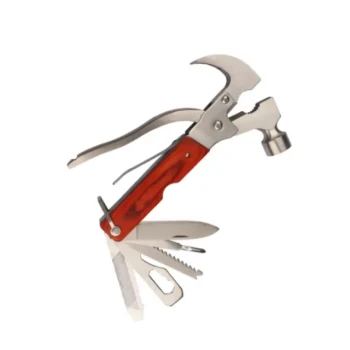
- HONESTBEE 15-in-1 Beekeeper Multi-Tool with Hammer and Pliers for Beekeeping
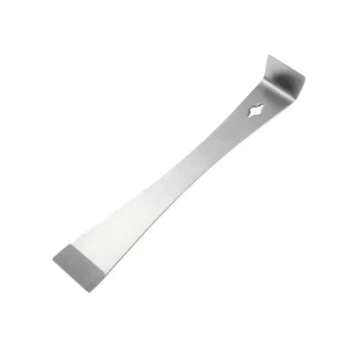
- Professional Stainless Steel Pry-Bar Hive Tool
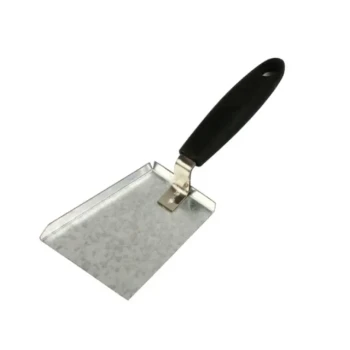
- Heavy-Duty Ergonomic Grip Galvanized Pollen Shovel
People Also Ask
- How do bee hive handles facilitate the evaluation of food stores? Use the Lift Test for Winter Survival
- How do hive handling tools and propolis management affect bee colony behavior during routine apiary maintenance? Minimize Disturbance with Precise Techniques
- How do the geometry and dimensions of hive handles influence operational safety and control? Expert Design Insights
- What is a bee hive tool? Discover Why It’s the Most Essential Hand Tool for Every Beekeeper
- What are the common sizes and features of bee hive tools? Choose the Right Tools for Your Apiary