Honey bees regulate their hive microclimate through collective heating, cooling, airflow, and moisture control. They maintain the brood area near 30–35°C, with humidity commonly managed around 60–70%, while the enclosed hive remains dark and protected from external weather. These stable conditions support the colony’s microbial environment, including naturally occurring fungi such as Aspergillus and Penicillium, although the exact fungal balance depends on colony health, sanitation, substrate, and local conditions.
Hive equipment does not directly “grow” beneficial fungi; it gives bees the insulation, airflow control, and moisture-management tools needed to maintain a stable environment. Precision-built boxes, covers, entrances, screened boards, and monitoring hardware should complement—not replace—the bees’ own thermoregulatory behavior.
How Bees Create a Stable Hive Microclimate
Heat production in cold conditions
Honey bee colonies function as a superorganism. When temperatures fall, workers cluster around the brood and generate heat through muscular activity while tightening the cluster to reduce heat loss.
The hive structure acts as a thermal barrier, helping retain this heat. Proper insulation and sound construction reduce the energy bees must spend compensating for cold air leakage and volatile outdoor temperatures.
Cooling and ventilation in hot conditions
During warm weather, workers fan their wings at the entrance and across the comb. This creates airflow through the hive, removes excess heat, and helps distribute fresh air.
Bees also collect and evaporate water to cool the colony. This evaporative cooling is particularly important during hot periods and high nectar flows, when internal heat and humidity can increase.
Humidity control during honey ripening
Fresh nectar contains substantial water. Worker bees circulate air across open cells and fan their wings to accelerate evaporation, gradually converting nectar into shelf-stable honey.
Ventilation must therefore be balanced. Excessive restriction can trap moisture, while uncontrolled drafts can increase heat loss and disturb the colony’s ability to protect the brood.
Darkness and enclosure
The hive’s enclosed, dark interior provides a consistent working environment for brood care, comb maintenance, and food storage. Darkness is a normal feature of the cavity-like environment to which honey bees are adapted.
The precise temperature and humidity are not identical in every part of the hive. The brood nest is regulated most tightly, while entrances, outer walls, supers, and unused spaces can experience wider fluctuations.
How Microclimate Supports the Hive’s Fungal Community
Stable conditions support microbial balance
A relatively stable temperature, humidity, and darkness can support the persistence of naturally occurring microbial populations. Fungi such as Aspergillus and Penicillium may be present within the broader hive ecosystem.
However, their presence should not automatically be interpreted as beneficial. Some fungi are harmless or potentially useful under particular conditions, while others can contribute to disease, spoilage, or colony stress when environmental conditions become unfavorable.
Stability matters more than maximum humidity
The goal is not to make the hive as warm or humid as possible. The goal is to prevent damaging extremes and allow bees to regulate the brood area, food stores, and comb effectively.
Poor moisture control can encourage unwanted mold growth, damage comb, and increase stress. Excessive dryness can also interfere with brood development and nectar processing.
Avoid disrupting the natural microbial environment
Chemical fungicides can affect more than the target organism. They may disrupt the hive’s broader microbial balance and create additional chemical exposure concerns for bees, wax, pollen, and honey.
Any disease-control program should therefore be based on an identified problem, approved treatments, label requirements, and professional beekeeping guidance rather than routine, unnecessary fungicide use.
How Hive Construction Equipment Supports Bee Regulation
Insulated hive bodies reduce thermal stress
Well-constructed hive boxes and covers reduce heat transfer through the walls and roof. This is especially valuable during early spring, cold nights, and periods of rapidly changing weather.
The benefit is indirect but important: when the hive loses less heat, workers can allocate more energy to brood care, colony growth, and foraging instead of continuous emergency heating.
Precision manufacturing improves fit and consistency
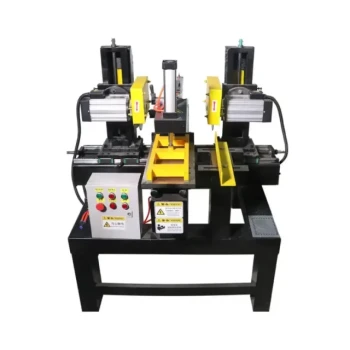
Precision hive-making machinery helps produce components with consistent dimensions, reliable joints, and repeatable fit. Better-fitting parts can reduce unwanted gaps while preserving intentional ventilation paths.
For distributors and commercial buyers, manufacturing consistency also supports easier assembly, replacement planning, inventory standardization, and dependable fulfillment across multiple apiaries.
Ventilated covers manage air movement
Ventilated inner covers and properly designed roof assemblies help control the movement of warm, moist air. They can reduce condensation risk when used with suitable insulation and external weather protection.
Ventilation should not create uncontrolled drafts through the brood nest. The objective is managed convection and moisture removal, not simply maximum airflow.
Screened bottom boards support air exchange
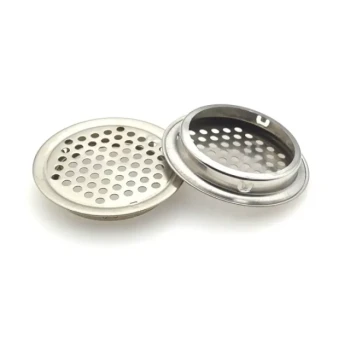
Screened bottom boards can improve air circulation and help manage moisture, debris, and certain pest-control strategies. Their effectiveness depends on climate, hive design, colony strength, and seasonal management.
They should be selected as part of a complete airflow system rather than treated as a universal solution for every apiary.
Adjustable entrances act as physical valves
Entrance reducers, guards, and adjustable entrance components allow beekeepers to modify the size of the hive opening. This can help limit heat loss in cold weather and regulate airflow during warmer conditions.
Entrance hardware must also reflect colony strength and pest pressure. An opening that is appropriate for a strong summer colony may be unsuitable for a small colony during a cold period.
Monitoring equipment verifies actual conditions
Temperature and humidity sensors help beekeepers determine whether a hive design is performing as intended. Monitoring is particularly useful when comparing insulation systems, ventilation layouts, or equipment across different climates.
Measurements should be interpreted by location. A sensor near the brood nest, roof, entrance, or outer wall will report different conditions and should not be treated as representative of the entire hive.
Why Equipment Quality Matters to Commercial Operations
Better equipment reduces colony energy expenditure
A hive that limits unnecessary heat loss and manages moisture effectively allows bees to spend fewer resources on environmental correction. This can support brood rearing, nectar gathering, and colony development.
The equipment does not replace the bees’ fanning, clustering, or water-collection behavior. It makes those behaviors more efficient.
Standardized components simplify procurement
For wholesalers, distributors, and B2B resellers, a coordinated portfolio can include hive bodies, covers, screened boards, entrance hardware, insulation products, sensors, and replacement parts.
Compatibility and dimensional consistency are often as important as individual component quality. A one-stop sourcing model can reduce procurement complexity and help apiaries maintain uniform equipment across locations.
Reliable supply supports seasonal readiness
Hive construction and ventilation components are often needed before major weather changes or flowering periods. Rapid response, accurate order fulfillment, and dependable delivery help commercial operators prepare equipment before colonies face thermal stress.
Dedicated technical support is also valuable when customers need to match hardware to hive formats, climates, colony sizes, or operating practices.
Understanding the Trade-offs
More ventilation is not always better
Increasing airflow can help remove excess moisture and heat, but excessive ventilation can increase heat loss, particularly during cold weather. It may also create drafts that interfere with brood protection.
Ventilation should be adjustable or climate-appropriate wherever possible.
More insulation does not eliminate moisture risk
Insulation reduces heat loss, but a tightly sealed hive can still accumulate condensation if moist air cannot escape. Insulation and ventilation must be designed as a coordinated system.
Roof design, cover configuration, hive placement, and local weather all influence the result.
Fungal presence is not automatically a quality indicator
The existence of Aspergillus, Penicillium, or other fungi does not by itself prove that the hive has a healthy or beneficial microbial balance. The reference range of 30–35°C and 60–70% relative humidity should be understood as a practical microclimate target, particularly around the brood area, not a guarantee that every fungal population will remain desirable.
Hardware cannot compensate for poor management
Even accurately manufactured equipment cannot correct weak colonies, blocked entrances, water intrusion, inadequate siting, or inappropriate seasonal adjustments.
The best results come from combining sound hive construction with inspection, monitoring, sanitation, and timely management.
How to Apply This to Your Product and Apiary Strategy
A practical equipment program should connect biological requirements with procurement and service reliability.
- If your primary focus is colony health: Prioritize well-insulated hive bodies, controlled ventilation, adjustable entrances, screened bottom boards, and monitoring tools that help maintain stable brood-area conditions.
- If your primary focus is fungal and moisture management: Select components that limit water intrusion, support controlled air exchange, and avoid creating persistently damp or excessively sealed spaces.
- If your primary focus is commercial apiary efficiency: Standardize compatible hive components so colonies receive consistent thermal and ventilation support across sites and seasons.
- If your primary focus is distribution or resale: Build a full-spectrum portfolio supported by dimensional consistency, fast response, technical guidance, and dependable delivery of both core equipment and replacement hardware.
The right hive construction equipment strengthens the bees’ natural microclimate-control system, helping maintain colony resilience without disrupting the ecological balance inside the hive.
Summary Table:
| Aspect | Bee Regulation | Equipment Support |
|---|---|---|
| Temperature | Clustering & muscle activity; fanning & evaporative cooling | Insulated hive bodies & covers retain heat; precision-fit reduces gaps |
| Humidity | Water collection & fanning to manage moisture | Ventilated covers & screened bottom boards control airflow & moisture |
| Ventilation | Coordinated fanning at entrance & across comb | Adjustable entrances act as valves; monitoring sensors verify conditions |
| Darkness | Natural cavity preference | Enclosed design provides stable, dark interior |
| Fungal Support | Stable microclimate sustains microbial balance | Avoid chemical disruptors; manage moisture to prevent harmful mold |
Ensure your beekeeping equipment meets the highest standards for hive health. At HONESTBEE, we supply commercial apiaries and distributors with premium hive-making machinery, ventilated covers, screened bottom boards, insulated hive bodies, and monitoring tools — all backed by fast fulfillment, expert support, and OEM/ODM capabilities. Ready to enhance your colonies' microclimate and streamline your supply chain? Contact us today for a tailored wholesale solution that boosts profitability and reliability.
Related Products
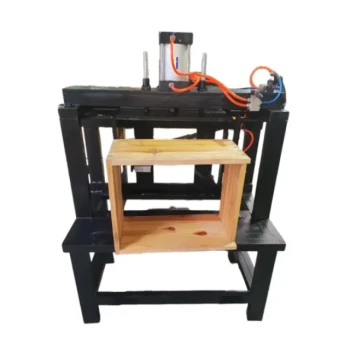
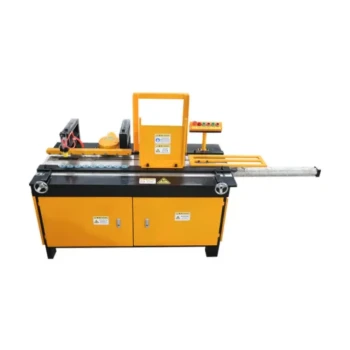
- High-Efficiency Pneumatic Bee Hive Making Machine for Rapid Box Assembly
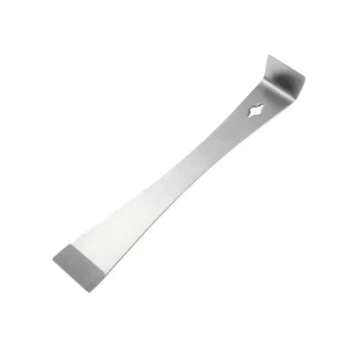
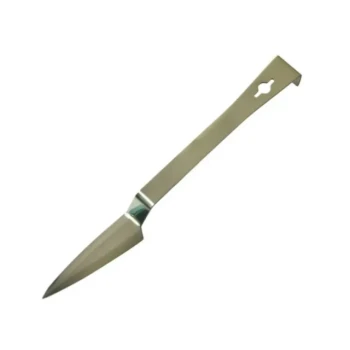
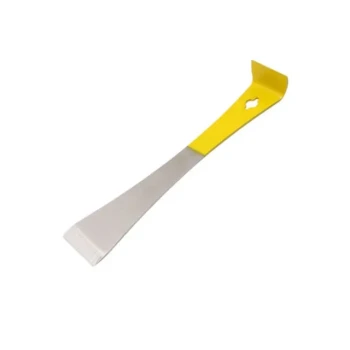
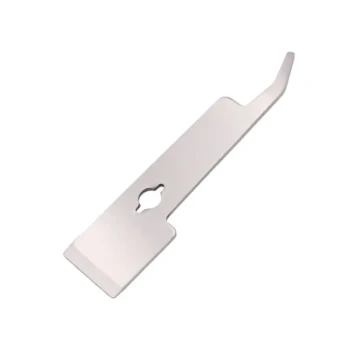
- Professional Stainless Steel Pry-Bar Hive Tool
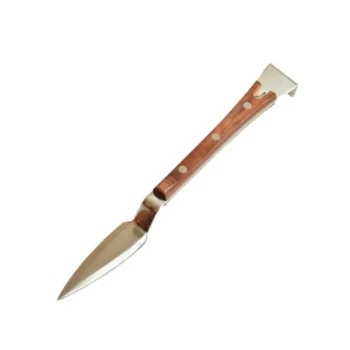
- HONESTBEE Premium Italian Style Hive Tool with Hardwood Handle
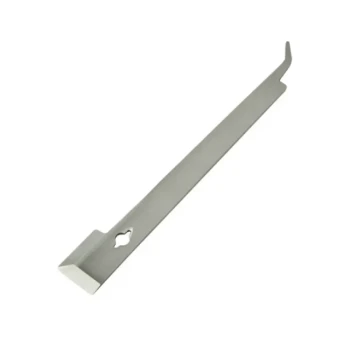
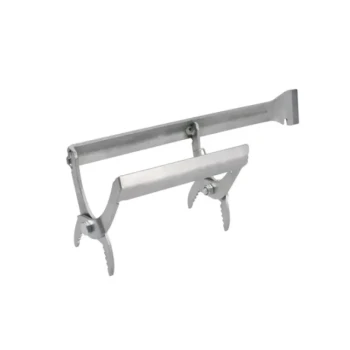
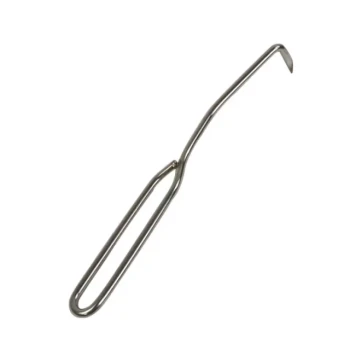
- Stainless Steel J Hook Hive Tool for Beekeeping
- Beehive Machine Double End Saw for Precision Hive Component Manufacturing
People Also Ask
- How does the introduction of professional beehive-making machinery benefit sustainable beekeeping? Scale Your Apiary
- Why is specialized beehive-making machinery critical for low-defense breeding? Enhance Selection with Precision Tools
- What is the industrial value of high-efficiency beehive manufacturing machinery for large-scale apiaries? Scale Efficiency
- How does the introduction of specialized beehive making machinery contribute to increasing the scale of regional beekeeping industries?
- What is the importance of specialized beehive making machinery in a circular bio-economy? Build Local Sustainability