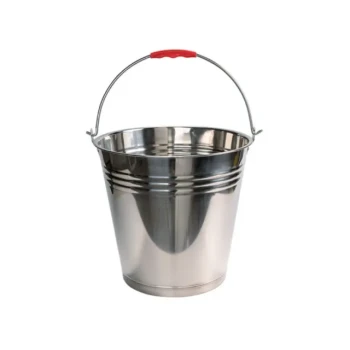
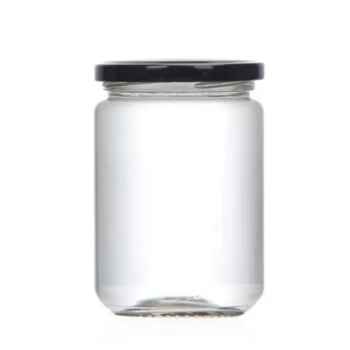
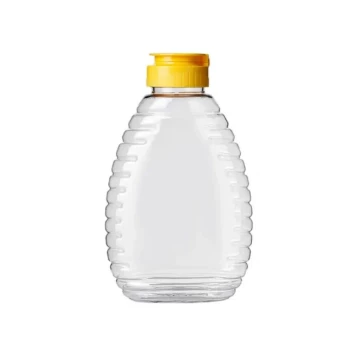
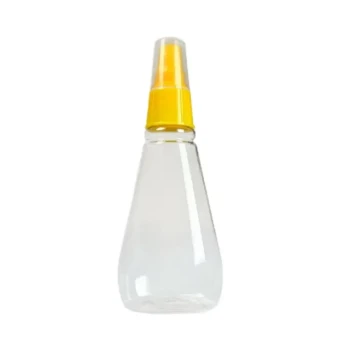
The selection of honey packaging materials is not merely an aesthetic choice; it is a critical operational decision that dictates the product's viability from the production line to the consumer's pantry. These materials fundamentally influence the cycle by ensuring sealing integrity to prevent leaks, extending shelf life through moisture barriers, and determining the safety and cost-efficiency of global logistics.
The impact of packaging extends beyond containment; it serves as a functional barrier that safeguards honey against fermentation and spoilage while simultaneously defining the product's environmental footprint and market value.
Preserving Product Integrity and Shelf Life
The Critical Barrier Against Moisture
Honey is naturally hygroscopic, meaning it absorbs water from the air. The permeability of your packaging material dictates the efficiency of this moisture exchange.
If materials are too permeable, honey will absorb atmospheric moisture in humid conditions, leading to dilution and subsequent fermentation. High-quality, airtight containers are essential to maintain stable physicochemical characteristics and prevent spoilage.
Preventing Contamination and Migration
For organic and premium honey, the material must ensure absolute purity. Packaging must be chemically inert to prevent the migration of harmful substances from the container into the honey.
Superior barrier properties also block external odors, ensuring the honey retains its natural flavor profile and biological activity during extended storage.
Optimizing Logistics and Distribution
Durability and Loss Prevention
In the context of logistics, the primary function of packaging is to survive the journey. Materials selected for their durability and impact resistance significantly reduce product loss due to breakage.
Lightweight materials, such as Polypropylene (PP) bottles, are particularly effective here. They minimize the risk of leaks and physical damage during the stresses of long-distance or cross-border transportation.
Reducing Transportation Costs
The weight of the packaging material directly correlates to shipping expenses. Using lightweight, industrial-grade plastics can lower overall transportation costs compared to heavier alternatives.
Furthermore, standardized packaging shapes allow for efficient stacking and storage, maximizing space utilization within modern logistics systems.
Production Efficiency and Market Positioning
Compatibility with Automated Lines
Packaging materials must be compatible with automated filling and sealing technologies. Consistent material specifications allow for precision metering and advanced sealing, which are vital for mass production.
This compatibility reduces waste during the filling process and ensures every unit meets the uniform sanitary specifications required for international trade.
Enhancing Brand Value
The visual quality of the packaging material serves as the first point of contact with the consumer. High-clarity and well-finished materials are necessary carriers for brand image, especially in high-end retail markets.
For premium global markets, the packaging must convey quality and justify a higher price point, distinguishing the product from lower-cost alternatives.
Understanding Material Trade-offs
Permeability vs. Cost
While economical plastics reduce logistics costs, they may offer lower barrier protection than glass or high-grade polymers. Using high-permeability materials in humid climates creates a significant risk of quality degradation over time.
Durability vs. Premium Perception
Materials like Polypropylene (PP) offer excellent impact resistance and are practical for large-scale distribution. However, they may not offer the same "premium" tactile experience or visual appeal as heavier, more fragile materials used for luxury honey products.
Making the Strategic Packaging Choice
To select the right material, you must align the packaging properties with your specific business objectives:
- If your primary focus is large-scale export and logistics efficiency: Prioritize lightweight, impact-resistant materials like Polypropylene (PP) to minimize shipping costs and breakage rates.
- If your primary focus is the organic or high-end premium market: Select materials with superior barrier properties and visual clarity to prevent migration, ensure airtight sealing, and justify a higher price point.
- If your primary focus is maximizing shelf life in humid climates: Ensure your packaging has the lowest possible moisture permeability to prevent fermentation and flavor loss.
Your packaging is the silent guardian of your product's quality; choose it to protect your investment and elevate your brand.
Summary Table:
| Factor | Impact on Production & Distribution | Key Material Benefit |
|---|---|---|
| Moisture Barrier | Prevents fermentation and maintains honey stability | High-grade airtight sealing |
| Material Weight | Directly reduces global shipping and logistics costs | Lightweight Polypropylene (PP) |
| Durability | Minimizes product loss due to breakage or leaks | High impact resistance |
| Compatibility | Ensures efficiency on automated filling & sealing lines | Standardized industrial specs |
| Market Appeal | Drives brand value and justifies premium pricing | High-clarity, premium finish |
Scale Your Honey Business with HONESTBEE
At HONESTBEE, we understand that the right equipment and materials are the backbone of a successful commercial apiary. We cater specifically to commercial apiaries and distributors with a comprehensive wholesale offering designed to optimize every stage of your production cycle.
Why partner with HONESTBEE?
- Full Spectrum Supply: From specialized hive-making and honey-filling machines to essential industry consumables.
- Advanced Machinery: Enhance your production efficiency with our precision beekeeping tools and hardware.
- Global Distribution Support: We provide the durability and quality required for large-scale and international trade.
Ready to elevate your operational efficiency and safeguard your honey quality? Contact us today to explore our wholesale solutions and let us help you grow your brand with professional-grade beekeeping equipment.
References
- Wei Guo, Zhijun Zhao. Estimation of Carbon Footprint of HoneyProduction: A Case from China. DOI: 10.15244/pjoes/187114
This article is also based on technical information from HonestBee Knowledge Base .
Related Products
- Double Nozzle Small Honey Filling Machine Honey Sachet Packing Packaging Equipment
- Small Honey Filling Machine Sachet Packing Equipment Single Nozzle
- Honey Stick Filler Vertical Paste Sachet Packing Machine for Honey Sachets
- Automatic Single-Dose Snap & Squeeze Honey Sachets Packing Machine
- Economy Small Honey Filling Machine Honey Bottle Filler Packaging Machine
People Also Ask
- What value do retail packaging equipment and filling technologies provide in the honey distribution process? Maximize ROI
- How does industrial honey-filling machinery support Robinia pseudoacacia stands? Maximize Your Acacia Honey Yield
- What is honey filling equipment used for? Optimize Your Bottling with Precision Automation
- Why is precision temperature control necessary for red honey filling? Preserve Amorpha fruticosa Color and Aroma
- How does specialized honey filling equipment contribute to honey distribution? Scale Your Wholesale Efficiency Today