Honeybees survive winter by turning the colony into a self-heating cluster. As temperatures fall to roughly 12–14°C (54–57°F), worker bees tighten around the comb, generate heat by shivering their flight muscles, and consume stored honey for energy. The cluster center typically remains near 32–34°C (90–93°F), while insulation, draft control, ventilation, and reliable access to food help prevent cold stress, moisture damage, and starvation.
Winter hive protection is a balance: retain enough heat to reduce honey consumption, but provide enough controlled ventilation to prevent condensation. The most effective equipment package combines insulated hive bodies or wraps, tight-fitting woodenware, entrance control, suitable ventilation, and feeding systems that place stores within reach of the winter cluster.
How Honeybees Regulate Cluster Temperature
Bees form a compact winter cluster
When ambient temperatures drop, bees crowd together around the comb and organize themselves into a dense cluster. The outer layer acts as insulation, while bees inside the cluster maintain a warmer core.
The cluster contracts during colder conditions, reducing its exposed surface area and limiting heat loss. This collective response allows the colony to regulate its internal environment as a superorganism rather than as individual insects.
Heat comes from honey metabolism
Worker bees consume honey and metabolize it to produce energy. They then shiver their flight muscles without flying, generating heat that moves toward the center of the cluster.
When brood is present, the colony must maintain an even warmer brood area, approximately 34–35°C. This increases energy demand and makes adequate food placement and thermal protection especially important.
Temperature affects movement and food access
As hive temperatures approach approximately 14°C, bees become increasingly sluggish. If the cluster cannot move across the comb, bees may be unable to reach nearby honey even when sufficient stores remain elsewhere in the hive.
This creates a major winter risk: starvation can occur because of inaccessibility, not simply because the colony lacks total food reserves. Prolonged cold can also lead to cluster freeze-out, particularly in weak colonies or poorly protected equipment.
Why Hive Design Matters During Winter
Insulation reduces metabolic demand
Insulated hive bodies, foam wraps, inner packing, and insulated top covers slow the movement of heat out of the brood chamber. This reduces the amount of honey bees must consume to maintain the cluster core.
For commercial operations, the benefit is both biological and operational: stable thermal conditions can lower winter consumption and reduce the likelihood of seasonal colony losses.
Tight-fitting woodenware blocks drafts
Gaps between hive bodies, covers, floors, and supers allow cold air infiltration and increase convective heat loss. Precision-manufactured, tight-fitting woodenware helps maintain a more stable internal microclimate.
This does not mean making the hive completely airtight. The objective is to eliminate uncontrolled drafts while preserving deliberate ventilation paths.
Outer wraps provide insulation and wind protection
Specialized foam wraps and durable outer coverings reduce heat loss through the hive walls and protect colonies from cold winds. In exposed or mountainous areas, additional external packing may be used around the hive body.
Where rainfall is expected, weather-resistant outer layers help keep insulation dry. Wet insulation loses effectiveness and can contribute to internal humidity problems.
Equipment Features That Protect Against Cold Stress
Insulated hive bodies and winter wraps
These are the primary thermal barriers around the colony. They help moderate rapid temperature fluctuations and reduce the energy bees expend on heat production.
Distributors and resellers should distinguish between products designed for thermal insulation, products designed for weather protection, and systems that combine both functions.
Insulated top covers and inner covers
Heat can escape rapidly through the upper portion of the hive. An insulated top cover helps reduce this loss, while an inner cover creates a controlled interface between the colony and the roof.
An inner cover with a screened feeder opening can support feeding access while helping maintain separation between the cluster and the outer cover.
Entrance reducers
Entrance reducers limit the size of the lower opening, reducing draft penetration and helping the colony defend the entrance. They also reduce the exposed area through which warm air can escape.
The entrance must not be blocked completely. Bees still require access for ventilation and, when conditions permit, waste removal and flight.
Upper entrances and controlled ventilation
A small upper entrance or auxiliary ventilation opening can provide an escape path for warm, moist air. This helps reduce condensation above the cluster, where water can otherwise drip onto cold bees.
Ventilation design must be controlled rather than excessive. Large openings or poorly fitted covers can create drafts that increase heat loss and chill the colony.
Internal and external packing
Internal packing materials can reduce unused air space around the cluster, particularly in oversized hive bodies or cold regions. Examples include dry straw, sawdust, or protected insulating sheets placed beside the frames.
External packing or insulating mats provide an additional barrier against wind and cold. Materials must remain dry, secure, and compatible with inspection and hive maintenance requirements.
Preventing Starvation During Cold Weather
Position food close to the cluster
Autumn feeding should ensure that sufficient honey stores are located near the area where the colony will form its winter cluster. Total hive weight alone is not enough if the bees cannot reach the stores during a prolonged cold period.
This is why feeding equipment and late-season management are part of winter protection, not separate concerns.
Use appropriate feeding equipment
Internal colony feeders and feeder openings integrated into inner covers can support late-season feeding or emergency access. Equipment should minimize disturbance and avoid creating unnecessary openings that increase heat loss.
For product selection, ease of access, leak resistance, compatibility with the hive format, and suitability for cold-weather use are more important than feeder capacity alone.
Avoid relying on emergency feeding as the main plan
Emergency feeding can help when stores are inadequate, but it is not a substitute for proper autumn preparation. During severe cold, bees may be unable to move to liquid feed or reach food positioned away from the cluster.
The most reliable strategy is to enter winter with adequate, accessible stores and use feeding equipment as a controlled contingency.
Managing Moisture Without Chilling the Colony
Condensation can be as damaging as cold
Warm air from the cluster carries moisture upward. If it condenses on a cold inner cover, roof, or hive wall, water may drip onto the bees and contribute to chilling.
A dry, stable hive environment therefore requires more than insulation. It also requires a planned route for moisture to leave the hive.
Combine insulation with ventilation
The correct system pairs reduced uncontrolled drafts with deliberate ventilation. Entrance reducers, screened openings, upper entrances, and properly fitted inner covers can work together to manage airflow.
The exact configuration should reflect local temperature, wind exposure, rainfall, hive design, and colony strength. A setup suitable for a mild winter may be inadequate in a cold, mountainous environment.
Protect insulation from water
Outer wraps and packing materials should be weather-resistant or covered with suitable protective sheeting. Moisture intrusion can reduce insulation performance and create a damp internal environment.
Products intended for outdoor use should be evaluated for durability, fastening security, water resistance, and compatibility with routine hive inspections.
Understanding the Trade-offs
More insulation is not always better
Excessive insulation without adequate ventilation can trap moisture. Condensation, rather than low temperature alone, may then become the dominant winter hazard.
The best equipment does not simply maximize heat retention. It provides controlled thermal stability.
Smaller entrances improve protection but restrict airflow
Entrance reducers help block drafts and defend against pests, but an opening that is too small or obstructed can interfere with ventilation and colony movement.
The reducer should match colony strength and environmental conditions, with regular checks after installation.
Tight equipment improves efficiency but requires precision
Well-fitted hive components reduce heat loss, but warped or poorly manufactured parts can create gaps, trap moisture, or complicate servicing. Hardware quality directly affects the performance of the entire winter protection system.
For B2B buyers, consistent dimensions, material durability, interchangeable components, and reliable supply are as important as the insulation specification.
Insulation cannot compensate for a weak colony
Thermal equipment reduces environmental stress, but it cannot fully correct inadequate population, disease pressure, poor stores, or queen problems. Winter protection should support sound colony management rather than replace it.
Selecting a Practical Winter Equipment Package
For distributors, wholesalers, and beekeepers, a useful product portfolio should cover the complete winter-management system rather than a single accessory.
Core thermal protection
A basic package may include:
- Insulated hive bodies or compatible wrap systems
- Insulated top covers
- Tight-fitting inner covers and hive components
- Wind-resistant outer coverings
- Dry internal or external packing materials for severe climates
Airflow and moisture control
The package should also include:
- Entrance reducers
- Screened inner-cover openings
- Upper entrances or ventilation hardware
- Weather-resistant roof and wrap components
- Secure fastening systems that prevent wind displacement
Food-access equipment
Winter preparation should be supported with:
- Internal colony feeders
- Feeder-compatible inner covers
- Autumn feeding equipment
- Components that allow food access without excessive hive exposure
A one-stop sourcing approach can simplify compatibility, shorten procurement time, and help ensure that insulation, ventilation, and feeding components function as one coordinated system.
How to Apply This to Your Wintering Plan
The right specification depends on climate, hive design, colony strength, and the beekeeper’s management system.
- If your primary focus is reducing cold stress: Prioritize insulated hive bodies, winter wraps, tight-fitting woodenware, and wind protection that reduce uncontrolled heat loss.
- If your primary focus is preventing starvation: Ensure adequate autumn stores are positioned near the expected cluster area and provide compatible internal feeding equipment for contingency use.
- If your primary focus is moisture control: Combine insulation with controlled upper ventilation, screened openings, and weather-resistant covers rather than sealing the hive completely.
- If your primary focus is commercial procurement: Source compatible thermal, ventilation, and feeding components from suppliers that can provide consistent quality, rapid response, and efficient order fulfillment.
- If your primary focus is severe or mountainous climates: Consider additional internal and external packing while maintaining a protected entrance and a deliberate route for moisture escape.
A well-designed winter hive protects the colony by balancing heat retention, airflow, and accessible food rather than by relying on insulation alone.
Summary Table:
| Factor | Bee Behavior | Equipment Features |
|---|---|---|
| Temperature Regulation | Form cluster, shiver to generate heat | Insulated hive bodies, wraps, top covers |
| Heat Conservation | Contract cluster to reduce surface area | Tight-fitting woodenware, entrance reducers |
| Ventilation | Need controlled airflow to remove moisture | Upper entrances, screened inner covers |
| Food Access | Consume honey for energy; may be unable to move | Internal feeders, feeder-compatible inner covers |
| Moisture Control | Produce warm, moist air causing condensation | Weather-resistant wraps, proper ventilation design |
Ready to optimize your winter hive protection with a full-spectrum equipment portfolio? HONESTBEE offers insulated hive bodies, wraps, feeders, and more—all designed for distributors and commercial apiaries. With OEM/ODM support, rapid delivery, and dedicated service, we help you secure reliable supply and satisfied customers. Contact us today to discuss your wholesale needs and boost your wintering product line!
Related Products
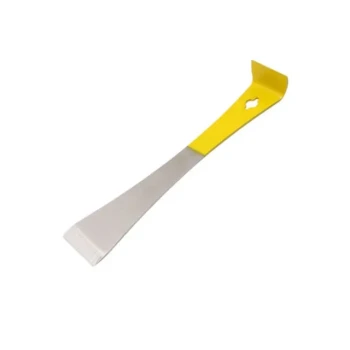
- HONESTBEE Classic Pry Bar Hive Tool with High Visibility Finish for Beekeeping
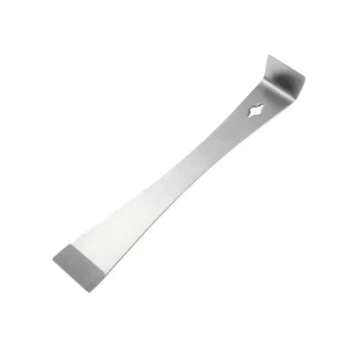
- Professional Stainless Steel Pry-Bar Hive Tool
- Ergonomic Two Person Foldable Hive Lifter
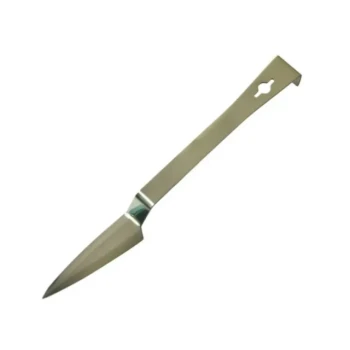
- HONESTBEE Professional Long Handled Hive Tool with Precision Cutting Blade
- Durable Plastic Interlocking Hive Connector for Beekeeping
People Also Ask
- What specific challenges do beekeeping hive tools address during hive maintenance? Essential Solutions for Apiaries
- Why are specialized beekeeping tools essential for executing colony health monitoring processes? Enhance Hive Precision
- What are some essential tools for beekeepers? Start Your Apiary with the Right Gear
- What are the essential tools and gear for basic beekeeping? Equip Your Apiary for Success and Safety
- What is the purpose of adding crystalline soda when disinfecting beekeeping tools? Boost Sterilization Efficiency